Ridwan Kamil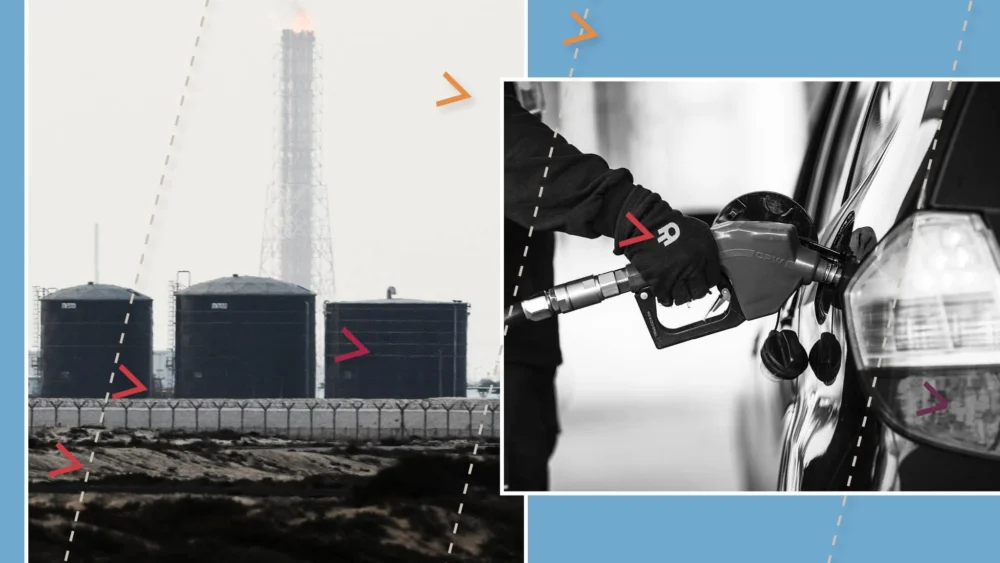
A potential escalation of conflict involving Iran stands poised to inflict significant economic strain on the world’s leading economies, with ripple effects extending far beyond the immediate theater of operations. The intricate web of global trade, energy markets, and financial stability means that nations across the globe, particularly those heavily reliant on international commerce and energy imports, face substantial repercussions should tensions boil over into a wider military engagement.
The specter of conflict in the Middle East, specifically concerning Iran, carries profound implications for the global economic order. While the immediate humanitarian and security concerns are paramount, the economic fallout is a critical consideration for governments and international institutions alike. The interconnected nature of the modern global economy means that any significant disruption in a region as strategically vital as the Persian Gulf will inevitably transmit shockwaves through supply chains, commodity prices, and investment flows. Understanding which leading economies are most exposed requires an analysis of their dependence on oil, their trade relationships with the region, and their roles in global financial markets.
The Energy Nexus: A Primary Vulnerability
At the forefront of economic vulnerability lies the global energy market. Iran, a significant oil producer, occupies a crucial position in the Strait of Hormuz, a chokepoint through which a substantial portion of the world’s oil passes. Any disruption to this vital artery, whether through direct military action, sanctions, or retaliatory measures, would trigger an immediate and dramatic surge in global oil prices.
The United States, despite its status as a major oil producer, remains deeply integrated into the global energy market. While domestic production might offer some insulation, higher global prices would still translate into increased energy costs for consumers and businesses, impacting inflation and consumer spending. Furthermore, the U.S. economy’s vast scale means that even moderate price increases can translate into significant absolute dollar figures impacting its GDP. The Federal Reserve’s monetary policy decisions would also be influenced, potentially complicating efforts to manage inflation and maintain economic stability.
European nations, particularly those in the Eurozone, are significantly more exposed to oil price shocks. Many European economies are net importers of oil and gas, and their industrial sectors are highly energy-intensive. Countries like Germany, heavily reliant on manufacturing, would experience a substantial rise in production costs, impacting their export competitiveness and overall economic growth. The European Central Bank would face the unenviable task of balancing inflation concerns with the need to avoid stifling economic activity through overly restrictive monetary policy. The political ramifications of soaring energy prices within Europe could also lead to social unrest and increased pressure on governments to find immediate, albeit potentially unsustainable, solutions.
Asian economies, particularly China and Japan, are also highly susceptible. Both nations are massive consumers of energy and rely heavily on imported oil to fuel their vast industrial bases and economies. A sustained surge in oil prices would directly impact their trade balances, increase inflationary pressures, and potentially slow their economic growth trajectories. China, as the world’s second-largest economy and a major trading partner for many nations, would experience cascading effects throughout its extensive manufacturing and export sectors. Japan, with its advanced technological industries, would face similar challenges, exacerbating its already long-standing economic headwinds.
Emerging Markets and Developing Economies would bear a disproportionately heavy burden. For many of these nations, energy imports constitute a significant portion of their foreign exchange expenditures. A sharp increase in oil prices could deplete foreign reserves, lead to currency devaluation, and necessitate painful austerity measures. This could derail development progress, exacerbate poverty, and potentially trigger social and political instability in already fragile regions.
Beyond Oil: Trade, Finance, and Supply Chains
The economic impact of a conflict involving Iran extends beyond the energy sector. Iran is a significant trading partner for several nations, and any disruption to these trade flows would have localized economic consequences. Furthermore, the global financial system is deeply interconnected, and geopolitical instability in a key region can trigger capital flight, currency volatility, and a general deleveraging of risk.
The United States, as the issuer of the world’s reserve currency and the center of global finance, would experience significant pressures. While the dollar’s safe-haven status might initially strengthen, prolonged instability could lead to shifts in currency holdings and a reassessment of the dollar’s long-term dominance. U.S. companies with investments or operations in the Middle East would face direct risks, and the broader impact on global investment sentiment could affect capital markets.
The United Kingdom, with its strong financial services sector and its historical ties to the Middle East, would also be sensitive to geopolitical and financial market turbulence. London’s role as a global financial hub means it is particularly exposed to shocks that impact international capital flows and investment decisions.
The implications for global supply chains are also profound. The Middle East is a critical hub for logistics and transportation, and any conflict could disrupt shipping routes, air cargo, and overland transport. This would lead to delays, increased costs, and potential shortages of goods across various sectors, impacting manufacturing, retail, and consumer markets worldwide. Companies with diversified global operations would need to rapidly reconfigure their supply chains, incurring significant logistical and financial costs.
The Role of Sanctions and Counter-Sanctions
The imposition of stringent economic sanctions on Iran, or retaliatory measures by Iran against its adversaries, would further amplify the economic fallout. Sanctions can disrupt trade, limit investment, and restrict access to financial markets, impacting not only Iran but also the countries and entities that seek to do business with it. Counter-sanctions could further complicate trade relationships and create new barriers to international commerce.
China, with its significant trade ties to Iran, would be particularly affected by any new sanctions regimes. Its reliance on Iranian oil, coupled with its investments in the region, makes it vulnerable to actions that disrupt these economic relationships. The potential for China to become a central player in navigating sanctions, either by adhering to them or by seeking alternative arrangements, would have significant geopolitical and economic implications.
Russia, another significant player in the global energy market and a geopolitical rival to the West, could also see its economic position altered by an Iran conflict. Depending on its alignment, Russia could either benefit from increased oil prices or face its own set of economic challenges if the conflict leads to broader geopolitical realignments and further economic fragmentation.
The Broader Economic Landscape: Inflation, Recessionary Risks, and Geopolitical Realignment
The combined effects of higher energy prices, disrupted supply chains, and financial market volatility create a significant risk of global inflation and potentially a synchronized economic slowdown or even recession. Central banks would face the difficult challenge of combating inflation without triggering a sharp contraction in economic activity.
Moreover, a conflict in the Middle East could accelerate existing geopolitical realignments. Nations might seek to reduce their reliance on established global powers and forge new economic and security partnerships. This could lead to a further fragmentation of the global economy, with regional blocs becoming more self-sufficient and less integrated.
The United States, as a key architect of the current global economic order, would face the challenge of maintaining its influence amidst such shifts. Its ability to navigate these complex dynamics would depend on its diplomatic efforts, its economic resilience, and its capacity to adapt to a changing geopolitical landscape.
The European Union, already grappling with internal divisions and external pressures, would need to demonstrate a unified response to the economic and security challenges posed by a regional conflict. Its ability to maintain economic stability and project influence would be tested.
In conclusion, the economic repercussions of a conflict involving Iran would be far-reaching and unevenly distributed. While all major economies would feel the impact, those with a high dependence on energy imports, intricate global supply chains, and significant financial market exposures would likely bear the brunt of the cost. The crisis would serve as a stark reminder of the interconnectedness of the global economy and the profound economic consequences of geopolitical instability. Nations would be compelled to reassess their energy security strategies, diversify their supply chains, and navigate a potentially more fragmented and volatile global economic environment. The economic price of such a conflict would not be measured solely in dollars and cents, but in the disruption of progress, the exacerbation of inequalities, and the potential reshaping of the global economic order for years to come.

 Aura Kasih
 Safa Marwah
 Ayu Aulia