Lisa Mariana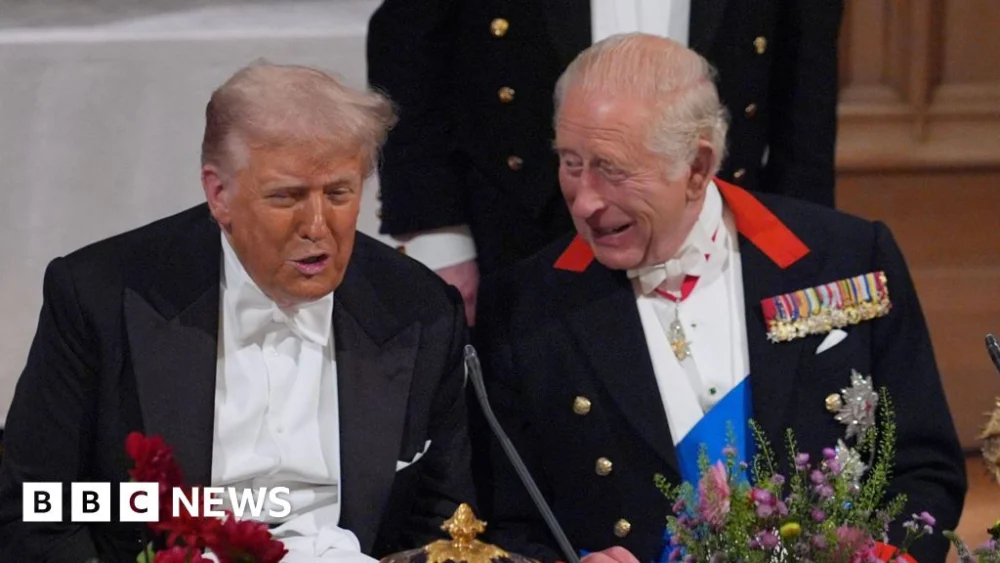
A significant diplomatic quandary has emerged for the British government as the Liberal Democrats advocate for the cancellation of King Charles III’s proposed state visit to the United States next month. This unprecedented call comes amidst heightened tensions between London and Washington regarding the UK’s approach to the escalating conflict with Iran, further exacerbated by pointed criticisms from former US President Donald Trump. The controversy underscores the delicate balance of the Anglo-American "special relationship" and the intricate interplay between ceremonial monarchy and geopolitical realities.
The core of the dispute revolves around the UK’s initial reluctance to permit American military assets stationed on British soil to participate in offensive operations against Iran. While Prime Minister Sir Keir Starmer’s administration has since authorized the use of UK bases for "defensive" strikes on Iranian missile sites and deployed Royal Air Force planes to intercept incoming drones and missiles, the initial hesitation drew sharp condemnation from Donald Trump. The former president, a prominent figure in the ongoing US election cycle, publicly derided Sir Keir as "no Winston Churchill" and accused him of desiring to "join wars after we’ve already won," igniting a transatlantic war of words.
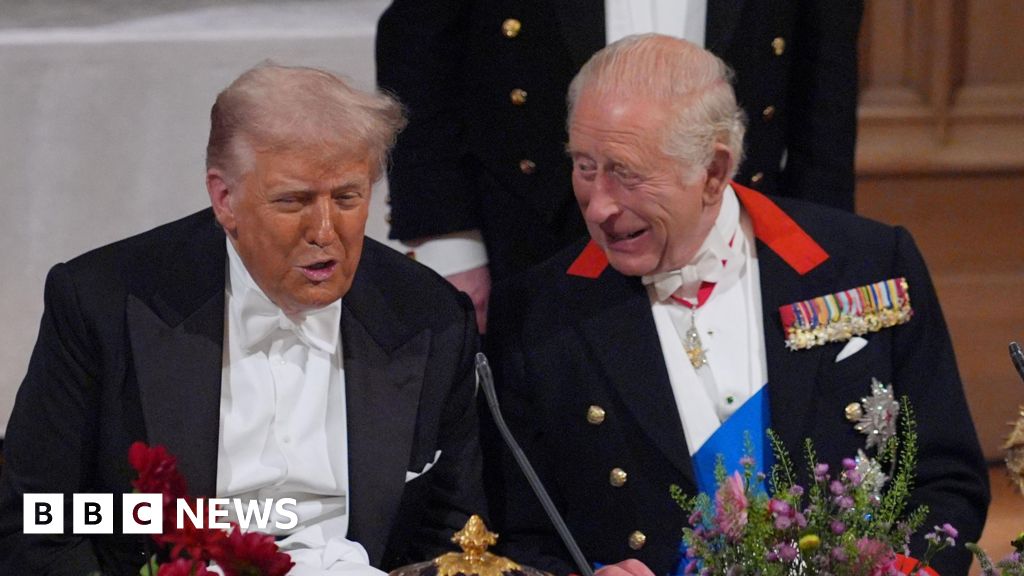
Against this backdrop, reports suggest King Charles III and Queen Camilla are preparing for a state visit to the United States towards the end of April, with a potential meeting with President Trump. For the Liberal Democrats, this timing is deeply problematic. Party leader Sir Ed Davey has publicly urged the Prime Minister to advise the monarch to call off the trip, arguing that proceeding with it would bestow an "enormous diplomatic coup" upon Trump, particularly given his provocative rhetoric and the ongoing US-Israeli military actions in Iran.
The King’s state visits, while fundamentally ceremonial, are meticulously planned and executed diplomatic instruments. They serve as powerful symbols of bilateral relations, often leveraging the soft power of the monarchy to reinforce alliances, foster cultural exchange, and even facilitate trade discussions. Invitations for such "outbound" state visits are processed through the Foreign, Commonwealth & Development Office (FCDO), which works in conjunction with Downing Street, the Cabinet Office, and the trade department to ensure these events align with the government’s broader foreign policy objectives. Since his accession in 2022, King Charles III has undertaken significant state visits to key allies including Germany, France, Kenya, and Italy, in addition to attending Commonwealth meetings and a historic visit to the Vatican. The proposed US visit, especially in the lead-up to the 250th anniversary of the US Declaration of Independence, carries substantial symbolic weight.
However, the current political climate complicates this customary diplomatic choreography. Sir Ed Davey articulated his party’s stance, stating, "At a time when Trump has launched an illegal war that is devastating the Middle East and pushing up energy bills for British families, it’s clear this visit should not go ahead." He emphasized that a state visit would be perceived as a significant endorsement for a figure whom he believes "repeatedly insults and damages our country." This position highlights a broader ideological chasm between the Liberal Democrats and Trump’s foreign policy approach, particularly concerning military interventions and international alliances.
The Conservative government, through cabinet minister Steve Reed, swiftly dismissed the Liberal Democrats’ intervention, asserting that "it is not for Ed Davey to decide what the King should or should not be doing." This response underscores the constitutional convention that the monarch acts on the advice of the elected government. Furthermore, Conservative leader Kemi Badenoch cautioned against politicizing the King’s travels, emphasizing the need for the trip to remain above partisan fray. Nevertheless, Badenoch seized the opportunity to renew her party’s criticism of Sir Keir Starmer’s handling of the Iran situation, accusing him of being "too slow to protect our bases" and urging greater British military involvement in "defensive" strikes against Iranian missile installations.
The Prime Minister, Sir Keir Starmer, has attempted to de-escalate the diplomatic friction. Following a direct conversation with President Trump—the first since the row intensified—Downing Street released limited details, indicating a desire to manage perceptions of a deepening rift. Sir Keir subsequently affirmed that American and British security officials were "working together every single day, as they always have," and defended his government’s approach to the conflict as being guided by "our principles" and "Britain’s best interests." This stance reflects a strategic effort to balance the imperative of allied cooperation with national sovereignty and the perceived need to avoid being seen as subservient to US foreign policy dictates.
The internal dynamics within the Labour Party also contribute to the complexity. Reports indicate that some Labour Members of Parliament are bracing for increased pressure to advocate for the cancellation of the King’s visit as the scheduled date approaches. These concerns are particularly acute among MPs facing strong challenges from the Green Party in upcoming local elections, who are sensitive to public perception regarding the government’s stance on President Trump and international conflicts. This suggests a broader segment of the British political landscape views engagement with Trump, especially amidst his controversial statements and policies, as a potential liability.
The "special relationship" between the United States and the United Kingdom, forged through shared history, values, and wartime alliances, is often characterized by its resilience but is not immune to strain. Donald Trump’s previous presidency witnessed several episodes that tested this bond, including his public criticisms of UK leaders and policies. His second state visit to the UK last September, breaking with the tradition of second-term US presidents typically having more informal engagements, further highlighted the unique diplomatic approach taken during his tenure. The prospect of another state visit, particularly under the shadow of current geopolitical tensions and Trump’s incendiary rhetoric, raises questions about the long-term health and direction of this critical bilateral relationship.
From an analytical perspective, the Liberal Democrats’ call, while perhaps opportunistic in its timing, highlights fundamental questions about the role of the monarchy in contemporary foreign policy and the strategic implications of high-profile state visits. Should a head of state be deployed as a diplomatic tool when the host country’s political leadership or policies are deemed objectionable by a significant portion of the UK’s political establishment? The potential for the visit to be perceived as an endorsement of Trump’s foreign policy, regardless of the British government’s intentions, is a significant risk. Conversely, cancelling the visit could send a strong message of disapproval, but at the cost of potentially alienating a key ally and further exacerbating transatlantic tensions.
The implications of either decision are far-reaching. Proceeding with the visit could be interpreted by critics as a tacit validation of Trump’s actions and rhetoric, potentially undermining the UK’s independent foreign policy stance and causing discomfort among those who view his policies as destabilizing. It might also expose the monarch to the political crossfire, blurring the lines between the ceremonial and the political. Conversely, a cancellation, while aligning with the Liberal Democrats’ demands, would represent a dramatic diplomatic snub, potentially damaging relations with the US and setting a contentious precedent for future engagements. It would also force the government to publicly justify a decision that effectively politicizes the monarch’s role in a highly visible manner.
Ultimately, the decision rests with the Prime Minister, who must weigh the diplomatic benefits of maintaining the visit against the potential domestic political fallout and the message it sends internationally. The current situation underscores the complexities of modern statecraft, where historical alliances, constitutional conventions, and evolving geopolitical realities constantly intersect. The resolution of this particular diplomatic dilemma will offer significant insights into the current state of the US-UK "special relationship" and the strategic calculations of the British government in navigating an increasingly volatile global landscape.



 Aura Kasih
 Safa Marwah
 Ayu Aulia