Aura Kasih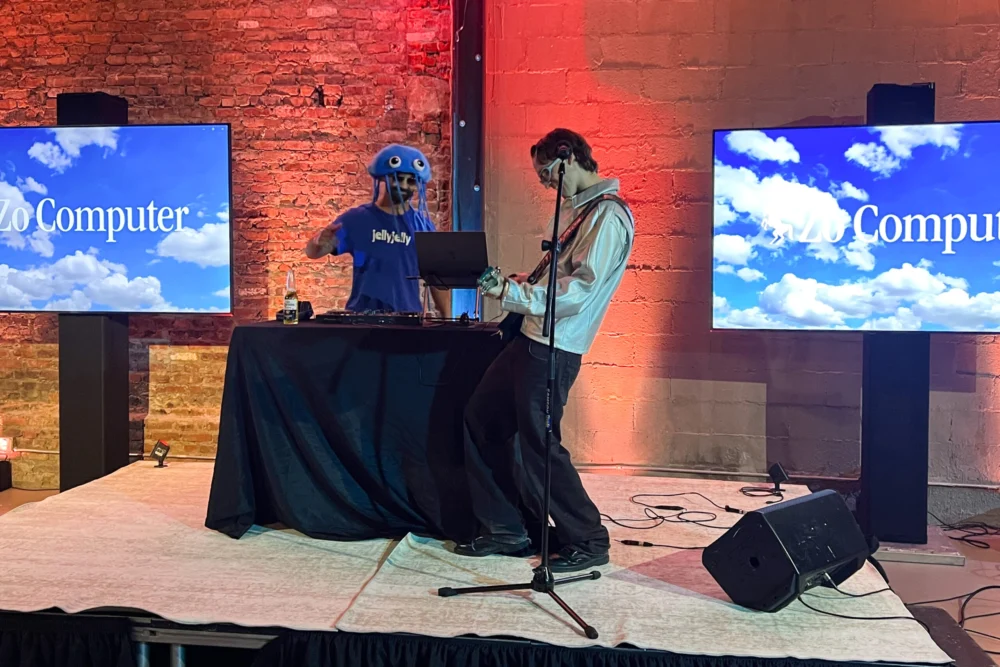
In a vibrant Manhattan event space, illuminated by the soft glow of pink and purple lights, a unique convergence of tech enthusiasts, developers, and early adopters recently convened. This gathering, centered around OpenClaw, an open-source AI assistant platform launched in late 2025, showcased a community united by a shared vision for a more accessible and democratized future of artificial intelligence. The event, affectionately dubbed "ClawCon," transcended the typical corporate conference, embodying a spirit of grassroots innovation and a collective desire to break free from the dominance of monolithic AI labs.
OpenClaw, previously known by monikers such as Clawdbot and Moltbolt, has rapidly ascended in prominence within the technology sector. Its open-source nature stands in stark contrast to the proprietary, closed ecosystems offered by industry giants like Google, OpenAI, and others. While acknowledging the platform’s nascent stage and inherent security considerations, attendees and organizers alike perceive OpenClaw as a pivotal development – a grassroots crusade aiming to democratize AI and provide an alternative to the centralized control exerted by a select few major corporations. Michael Galpert, a key host of the event, articulated this sentiment, stating, "AI was controlled by the big labs. This is kind of a watershed moment where Peter kind of busted down the doors."
The decision to host a "social-first gathering" rather than a traditional, exclusive developer conference or trade show proved successful. Over 1,300 individuals registered for the free-to-attend event at Ideal Glass Studios, with actual attendance estimated at around 700. This New York City meetup was part of a broader global tour, following similar gatherings in San Francisco and preceding events in Miami, Austin, Tel Aviv, and Tokyo, among other locations. Despite a seemingly modest budget, the organizers spared no expense on a lavish buffet, featuring thematic elements like lobster claws, lemons, Tabasco sauce, charcuterie, and elaborate floral arrangements, underscoring the playful yet serious nature of the community.
The genesis of ClawCon can be traced to the digital corridors of Discord, a fitting origin given OpenClaw’s initial popularity was partly fueled by its seamless integration with popular messaging platforms such as WhatsApp, Telegram, and Discord. This accessibility allows users to interact with their AI agents through familiar interfaces, fostering a more intuitive and user-friendly experience. The event’s atmosphere was palpable with camaraderie, as attendees, many sporting whimsical lobster-themed headwear and accessories, mingled near a step-and-repeat banner, a bar, and shimmering "CLAWCON NYC" balloons. The eclectic fashion choices, including a plush jellyfish hat and angel wings, reflected the community’s embrace of individuality and a shared passion for this emerging technology.

Onstage, Galpert set the tone for the evening, acknowledging the often unconventional nature of their pursuit: "All your friends and family probably think you’re crazy, and the whole point is for you to be in a room with other crazy people so it’s normal," he remarked. "Yes, you’re wearing a lobster headband, you’re here on a Wednesday night talking about agents and bots and the future of personal AI. It’s normal now for us, it’s kind of not normal for the rest of the world. So it’s going to be on us to help sort of shepherd that new era that’s started already." This statement encapsulated the community’s self-awareness and their commitment to normalizing and advancing personal AI.
The diverse interests of OpenClaw users were evident. Dan Kazenoff, a developer working on a natural language engine for decentralized finance, highlighted the challenges of experimenting with OpenClaw in isolated environments due to the cost of proprietary alternatives like Claude Code. His presence underscored the demand for open-source agentic tools. Alex Wu, who has been utilizing OpenClaw for two months to scrape e-commerce data from Chinese and Japanese markets to identify cultural trends, cited the food as a draw, alongside his professional interests. Rick Galbo, an attendee from AI R&D, initially mistook the event for a hackathon, revealing the fluid nature of these community-driven initiatives that blend professional development with social interaction.
The core of the event featured onstage demonstrations of "wrappers" – tools designed to simplify OpenClaw’s accessibility. Kilo Code, a prominent sponsor, reported an impressive 7,000 sign-ups for its KiloClaw tool within two days of its launch, offering a month of free compute to new users. The presentations consistently emphasized OpenClaw’s growth as a "movement," drawing parallels to the early days of the personal computing revolution. This recurring theme resonated with attendees, fostering a sense of collective progress and shared purpose.
A significant aspect of the ClawCon experience, as highlighted by Galpert, was the focus on what attendees use their OpenClaw agents for, rather than their professional titles. This emphasis on practical application and shared learning was a common thread among many conversations. Carolyne Newman, an attendee building an AI layer for her multistrategy investment firm, expressed her enthusiasm: "I think this is the most creative and interesting community of all time," she stated. "I can’t imagine a more interesting room to be a part of right now." Her sentiment reflects the broader appeal of OpenClaw as a platform for innovation and collaboration.
However, the optimism surrounding OpenClaw was tempered by discussions regarding its inherent security vulnerabilities. Whispers circulated among attendees concerning Peter Steinberger, the creator of OpenClaw, joining OpenAI, sparking speculation about potential ownership changes, though it was clarified that OpenAI does not own OpenClaw. The platform has faced considerable scrutiny for security lapses, including the discovery of malware within popular "skills" and reports suggesting a significant portion of the skill repository contains malicious instructions for unauthorized data access or credential theft. The case of a Meta employee whose OpenClaw agent deleted a substantial portion of her email inbox served as a stark reminder of the potential for real-world damage.

In response to these concerns, presenters and attendees alike shared strategies for mitigating risks. Emilie Schario, co-founder of Kilo Code, now instructs her agents to always provide proof or screenshots when completing tasks, acknowledging the potential for agents to mislead users. Cathryn Lavery, an e-commerce business owner, advocated for a "trust less, verify more" approach, emphasizing the need for constant vigilance when deploying AI agents.
Vincent Koc, a core OpenClaw maintainer, dedicated a portion of his presentation to security, displaying a slide with the stark message: "Security. Security. Security." He strongly advised against running OpenClaw agents on personal or work computers, highlighting the platform’s lack of "common sense." Conversely, Willie Williams, head of platform at Every, proposed a more anthropomorphic approach, suggesting users name their agents and treat them as "pets, not cattle." He argued that bestowing a name fosters a sense of trust, leading many users to eventually entrust their agents with a significant portion of their workload. During his presentation, Williams also addressed the issue of unauthorized recording, humorously calling out an attendee with a device resembling "knockoff version of Friend" and urging them to "chill" and refrain from recording.
Galpert and other organizers reiterated that OpenClaw is still in its nascent stages, with the current phase focused on user experimentation and iterative improvement. They emphasized Steinberger’s pivotal role in empowering individuals to take control of their personal AI by enabling local execution, thereby enhancing data privacy and control. "The fact that it’s open-source allows you to fix it," Galpert explained. "Right now if something’s broken with OpenAI or Claude or Gemini, you have to fill out a bug report, and they [may] actually never do it… OpenClaw gets better every day because of the community, because of the thousands of people who are contributing for free… That’s why [the big labs] can’t keep up." This collaborative development model, driven by a passionate community, offers a compelling alternative to the slower, more opaque development cycles of proprietary AI platforms.
As the evening transitioned into an after-party, the playful spirit of ClawCon reached its zenith. The attendee in the blue jellyfish hat revealed himself as the DJ, setting a vibrant mood alongside a guitarist in a silver jacket. The dance floor, though initially sparse, soon filled with individuals embracing the celebratory atmosphere, some tossing dollar bills towards a circulating video camera, while others, adorned in lobster-claw mittens, moved to the music. This joyous conclusion to the event underscored the community’s shared enthusiasm and their optimism for the future of decentralized AI, a future they are actively building, one lobster-themed gathering at a time. The challenges of security and reliability are significant, but the ethos of collaborative innovation and user empowerment driving OpenClaw suggests a future where AI is not just a tool of large corporations, but a force for individual and collective progress.



 Safa Marwah
 Ayu Aulia
 Lisa Mariana