Ridwan Kamil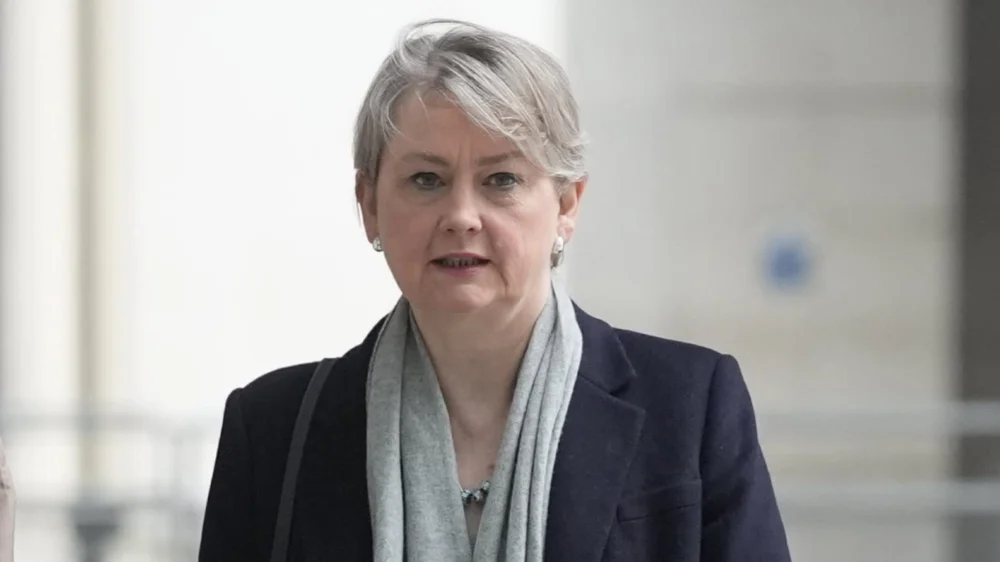
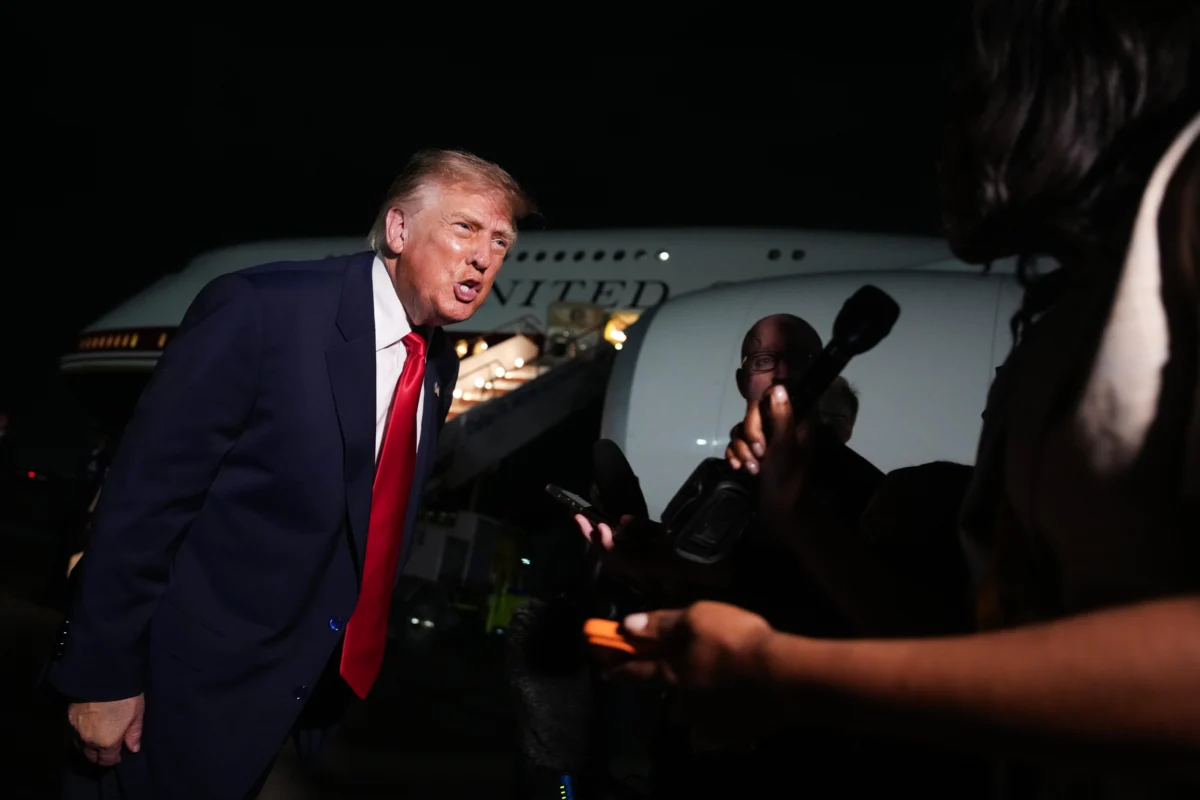
In a significant moment of diplomatic discourse, British Home Secretary Yvette Cooper has publicly defended the United Kingdom’s measured and composed strategy concerning Iran, directly addressing criticisms levied by former United States President Donald Trump. This defence underscores a discernible divergence in approach between key Western allies on how to navigate the complex geopolitical landscape surrounding the Islamic Republic. Cooper’s remarks signal a commitment to a deliberate, de-escalatory posture, emphasizing dialogue and international consensus over unilateral or aggressive actions, a stark contrast to the more confrontational rhetoric favoured by some international counterparts.
The recent exchange, ignited by Trump’s pointed commentary, brings into sharp relief the multifaceted challenges confronting global powers in their engagement with Iran. Cooper’s assertion of the UK’s "cool-headed approach" is not merely a rhetorical flourish but represents a carefully calibrated foreign policy. It suggests a strategic imperative to avoid actions that could inadvertently provoke further instability in a region already fraught with tension. This measured strategy is likely rooted in a deep understanding of the potential ramifications of hasty decisions, particularly concerning Iran’s nuclear program, its regional influence, and the welfare of its populace. The Home Secretary’s defence highlights the UK’s dedication to a multilateral framework, prioritising diplomatic channels and collaborative solutions rather than succumbing to the allure of more assertive, potentially destabilising, unilateral measures.
Historical Context and Shifting Alliances
The geopolitical relationship between Western powers and Iran has been a complex tapestry woven with threads of mutual suspicion, intermittent dialogue, and periods of intense confrontation. Following the 1979 Iranian Revolution, which ushered in a theocratic regime, relations with the United States, in particular, deteriorated significantly. This historical backdrop has shaped the current dynamics, with successive US administrations oscillating between sanctions, diplomatic overtures, and military posturing. The UK, while often aligning with its transatlantic partner, has historically maintained a more nuanced and independent foreign policy, particularly in its dealings with the Middle East. This divergence has become more pronounced in recent years, especially under the Trump administration’s "maximum pressure" campaign, which sought to isolate Iran economically and diplomatically.
The Trump era saw a significant recalibration of US foreign policy, marked by a withdrawal from the Joint Comprehensive Plan of Action (JCPOA), commonly known as the Iran nuclear deal. This decision, which was met with considerable disapproval from European allies, including the UK, signaled a shift towards a more confrontational stance. Trump’s administration frequently employed aggressive rhetoric and implemented stringent sanctions, aiming to cripple Iran’s economy and curb its regional activities. Cooper’s defence of the UK’s "cool-headed approach" can be seen as a direct repudiation of this more aggressive playbook. It suggests that the UK believes a sustained, diplomatic engagement, even with a regime often viewed with scepticism, is ultimately more productive and less perilous than a strategy of confrontation. This perspective likely stems from an assessment of Iran’s resilience and its capacity to withstand prolonged economic pressure without necessarily altering its fundamental policies, while simultaneously increasing the risk of miscalculation and escalation.
The Nuances of a "Cool-Headed Approach"
Yvette Cooper’s defence of the UK’s "cool-headed approach" implies a multi-pronged strategy that prioritizes de-escalation, dialogue, and the preservation of international agreements. This approach is not indicative of complacency or appeasement, but rather a strategic calculation of the potential consequences of alternative policies. In the context of Iran, this could translate into several key components:
- Emphasis on Diplomacy and Dialogue: The UK likely believes that sustained diplomatic engagement, even during periods of heightened tension, offers the most viable pathway to addressing complex issues such as Iran’s nuclear ambitions, its ballistic missile program, and its regional proxy activities. This involves maintaining open lines of communication, participating in multilateral forums, and actively seeking opportunities for constructive dialogue, even with adversaries.
- Preservation of International Agreements: The UK’s stance on the JCPOA, even after the US withdrawal, underscores its commitment to multilateral frameworks and verifiable agreements. Cooper’s defence suggests a belief that international accords, while imperfect, provide a crucial mechanism for oversight and constraint, and that their erosion can lead to greater uncertainty and increased risk.
- Economic Statecraft over Coercion: While the UK may utilize sanctions as a tool of foreign policy, its "cool-headed approach" likely prioritizes their calibrated application in conjunction with diplomatic efforts, rather than as a primary instrument of regime change or forced capitulation. This involves careful consideration of the humanitarian impact of sanctions and a focus on targeting specific behaviours rather than broad-based economic punishment.
- Regional Stability and De-escalation: The UK’s approach likely places a strong emphasis on preventing regional conflicts and de-escalating existing tensions. This could involve working with regional partners to foster dialogue, reduce military posturing, and address the underlying drivers of instability, acknowledging that a confrontational stance towards Iran could have far-reaching and detrimental consequences for the entire Middle East.
- Intelligence-Led Policy: A "cool-headed approach" is inherently informed by rigorous intelligence gathering and analysis. The UK’s strategy is likely guided by a comprehensive understanding of Iran’s internal dynamics, its strategic objectives, and its capacity for both cooperation and defiance. This data-driven approach allows for more nuanced and effective policy formulation, avoiding reactive or emotionally driven decisions.
Transatlantic Divergences and Strategic Implications
The criticism from former President Trump highlights a recurring theme in international relations: the divergence of strategic priorities and approaches among close allies. While the United States and the United Kingdom share many core values and strategic interests, their respective geographical positions, historical experiences, and domestic political considerations can lead to differing perspectives on how best to manage complex global challenges.
Trump’s emphasis on a more assertive, often unilateral, foreign policy contrasts sharply with the UK’s preference for multilateralism and a more measured, diplomatic engagement. This divergence is not new but has been amplified by differing leadership styles and policy philosophies. For the UK, a nation with a long history of diplomacy and a deep reliance on international cooperation, a "cool-headed approach" is not simply a matter of preference but a strategic necessity. It allows the UK to leverage its influence within international institutions, foster broader coalitions, and pursue outcomes that are more sustainable and less prone to unintended consequences.
The implications of these transatlantic differences are significant. They can affect the coherence of Western policy towards Iran, potentially creating opportunities for Iran to exploit divisions. Furthermore, they can impact regional dynamics, as various actors in the Middle East recalibrate their own strategies based on perceived shifts in Western alliances and approaches. The UK’s commitment to its own distinct strategy, even in the face of criticism from a former US president, signals a determination to chart its own course, prioritizing what it believes to be in the best interest of its national security and global stability.
The Future Outlook: Navigating Uncertainty
The ongoing engagement with Iran remains a critical and volatile aspect of international diplomacy. The UK’s "cool-headed approach," as articulated by Yvette Cooper, suggests a long-term strategy focused on de-escalation, dialogue, and the preservation of international norms. This approach is likely to be tested by a range of factors, including:
- Iran’s Domestic Politics: Internal political dynamics within Iran can significantly influence its foreign policy decisions. Shifts in leadership or evolving domestic pressures could lead to changes in its approach to international relations, requiring continuous adaptation from external powers.
- Regional Tensions: The volatile geopolitical landscape of the Middle East, with its intricate web of alliances and rivalries, will continue to shape the context of Iran’s foreign policy and the international community’s response. Any escalation of regional conflicts could have direct implications for the UK’s strategy.
- The Future of the JCPOA: The status of the Iran nuclear deal remains a key point of contention. The potential for its revival, modification, or further erosion will significantly influence the global approach to Iran’s nuclear program and the broader diplomatic landscape.
- Transatlantic Relations: The ongoing evolution of UK-US relations, particularly under different US administrations, will continue to shape the degree of alignment or divergence in their respective foreign policy approaches towards Iran.
In conclusion, Yvette Cooper’s defence of the UK’s "cool-headed approach" to Iran signifies a deliberate and strategic foreign policy choice. It underscores a commitment to diplomacy, multilateralism, and de-escalation in a region fraught with complexity. While facing external criticism, this measured strategy reflects a deep-seated belief in the efficacy of sustained engagement and a careful consideration of the potential risks associated with more confrontational policies. The UK’s steadfast commitment to its own diplomatic framework, even amidst transatlantic discord, highlights its determination to navigate the intricate challenges posed by Iran with prudence and a long-term vision for regional and global stability. This approach, rooted in careful analysis and a commitment to international cooperation, positions the UK as a consistent advocate for dialogue and measured diplomacy in a world often tempted by more immediate, but potentially riskier, solutions.

 Aura Kasih
 Safa Marwah
 Ayu Aulia