Ridwan Kamil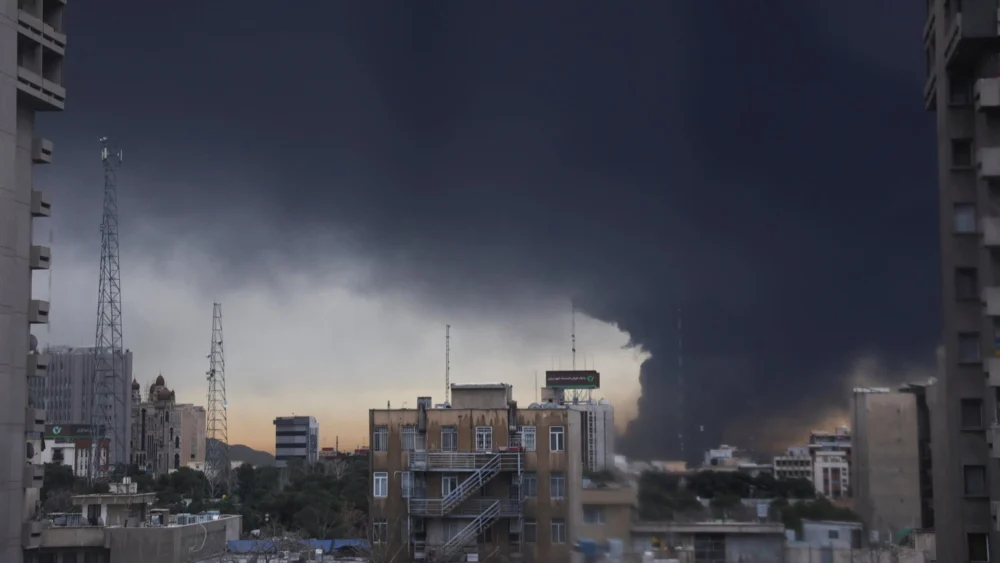
Tehran’s residents have been placed on high alert, facing the grim prospect of acid rain following a significant attack on a major oil storage facility on the outskirts of the capital, prompting urgent environmental warnings and preparedness measures.
The audacious assault on the oil storage infrastructure has triggered a catastrophic blaze, spewing immense quantities of pollutants into the atmosphere. The immediate aftermath has seen thick, acrid smoke blanketing the horizon, raising profound concerns about the long-term environmental consequences for the densely populated metropolis and its surrounding regions. Authorities are now grappling with the dual challenge of containing the inferno and mitigating the widespread health and ecological risks associated with the toxic emissions.
Escalating Tensions and a Devastating Strike
The incident, which occurred during a period of heightened regional tensions, has been widely attributed to an act of sabotage, though official investigations are ongoing to definitively establish the perpetrators and their motives. The targeted facility, a critical node in Iran’s energy supply chain, housed vast reserves of crude oil, and the resulting conflagration has been described as one of the most severe industrial fires to impact the region in recent memory. The sheer scale of the blaze has overwhelmed local firefighting capabilities, necessitating the deployment of specialized national assets and international assistance.
Eyewitness accounts describe a terrifying scene, with towering flames visible for miles and a pervasive smell of burning hydrocarbons filling the air. The economic ramifications of such an attack are substantial, impacting not only Iran’s energy output but also global oil markets, given the country’s significant role as a producer. However, the immediate focus has shifted to the environmental crisis unfolding above Tehran.
The Specter of Acid Rain: A Looming Environmental Threat
The burning of fossil fuels, particularly crude oil, releases a cocktail of harmful gases into the atmosphere, including sulfur dioxide (SO2) and nitrogen oxides (NOx). When these gases combine with water vapor, oxygen, and other chemicals in the atmosphere, they form sulfuric and nitric acids. These acids then fall to the earth in the form of rain, snow, fog, or even dry particles, a phenomenon known as acid deposition, more commonly referred to as acid rain.
The consequences of acid rain are far-reaching and devastating for ecosystems and human infrastructure. Acid rain can:
- Damage Forests and Vegetation: It leaches essential nutrients from the soil, such as calcium and magnesium, making it difficult for trees and plants to absorb water and nutrients. It can also directly damage leaves and needles, weakening trees and making them more susceptible to disease, insects, and cold weather.
- Pollute Water Bodies: Acid rain lowers the pH of lakes, rivers, and streams, making them uninhabitable for many fish and other aquatic organisms. It can release toxic metals, such as aluminum, from the soil into the water, further poisoning aquatic life.
- Harm Human Health: While acid rain itself is not directly harmful to touch, the pollutants that cause it (SO2 and NOx) can cause respiratory problems, such as asthma and bronchitis, particularly in children and the elderly. The fine particles associated with these emissions can also penetrate deep into the lungs.
- Damage Buildings and Monuments: Acid rain corrodes stone and metal, accelerating the deterioration of buildings, statues, and historical monuments made of limestone, marble, and bronze.
Given the magnitude of the oil storage facility fire, environmental agencies are predicting a significant increase in atmospheric SO2 and NOx levels over Tehran. The prevailing weather patterns will play a crucial role in determining the immediate trajectory and intensity of the acid rain threat. Experts are closely monitoring wind direction and precipitation forecasts to anticipate the areas most likely to be affected.
Government Response and Public Health Advisory
In response to the escalating environmental threat, Iranian authorities have issued stern warnings to residents, urging them to take precautionary measures. The Ministry of Health has advised citizens, particularly those with pre-existing respiratory conditions, to remain indoors, keep windows and doors closed, and use air purifiers if available. Public gatherings in open spaces have been discouraged, and outdoor activities are strongly advised against.
Emergency services are on high alert, with hospitals preparing for a potential surge in patients experiencing respiratory distress. Air quality monitoring stations across Tehran have been activated to provide real-time data on pollutant levels, which will be crucial for informing public advisories and guiding response efforts. The government is also reportedly exploring measures to mitigate the impact of acid rain, including emergency water purification initiatives and public awareness campaigns on protective measures.
Expert Analysis and Broader Implications
The attack on the oil storage facility is not merely an isolated incident but a symptom of a broader geopolitical landscape characterized by escalating tensions and the weaponization of infrastructure. The deliberate targeting of energy assets underscores the vulnerability of critical infrastructure to acts of aggression and the potential for such attacks to have cascading environmental and societal consequences.
Dr. Anya Sharma, a leading environmental security analyst, commented, "The immediate concern is the direct impact of the pollutants on air quality and the subsequent risk of acid rain. However, the longer-term implications are equally significant. This incident highlights the urgent need for robust international protocols for the protection of critical energy infrastructure and for comprehensive disaster preparedness plans that account for complex environmental hazards."
The attack also raises questions about the resilience of Iran’s energy sector and its ability to withstand such disruptive events. The reliance on large, centralized storage facilities, while economically efficient, can create significant vulnerabilities. Diversification of energy infrastructure and enhanced security measures are likely to become key considerations in the wake of this incident.
Furthermore, the environmental damage caused by such fires can have long-lasting effects, impacting agricultural productivity, water resources, and biodiversity. The cost of remediation and ecological recovery can be substantial, placing an additional burden on national economies already facing economic challenges.
Mitigation Strategies and Future Outlook
The immediate priority remains the complete extinguishment of the fire and the containment of its immediate toxic emissions. Specialized firefighting techniques, including the use of foam and water cannons, are being employed to bring the blaze under control. However, the sheer volume of fuel involved means that the fire could persist for several days.
In parallel, environmental scientists are working to model the atmospheric dispersion of pollutants and predict the potential impact of acid rain. This will involve analyzing wind patterns, atmospheric chemistry, and precipitation forecasts. The data generated will be critical for issuing targeted advisories and implementing localized mitigation strategies.
Looking ahead, this incident is likely to prompt a reassessment of energy infrastructure security and environmental protection protocols within Iran and potentially across the wider region. The development of more resilient infrastructure, the implementation of advanced early warning systems, and the strengthening of international cooperation on critical infrastructure protection will be paramount in mitigating the risks associated with similar events in the future.
The long-term health and environmental recovery of the affected areas will depend on a concerted and sustained effort. This includes ongoing air and water quality monitoring, public health support, and ecological restoration initiatives. The Tehran oil storage facility attack serves as a stark reminder of the interconnectedness of security, energy, and environmental well-being, and the imperative for proactive and comprehensive risk management in an increasingly volatile world. The coming weeks will be crucial in assessing the full extent of the damage and in charting a course towards recovery and resilience.




 Aura Kasih
 Safa Marwah
 Ayu Aulia