Lisa Mariana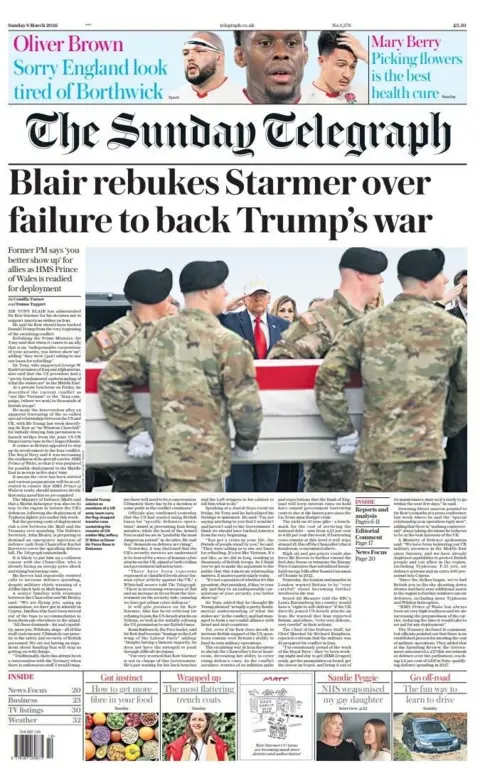
The nation’s attention is sharply divided between the definitive close of a dark chapter in criminal history, marked by the death of notorious child murderer Ian Huntley, and a significant political rift within the Labour party, as former Prime Minister Tony Blair publicly challenges current leader Sir Keir Starmer’s foreign policy stance on escalating Middle East tensions. These profound domestic and international developments unfold against a backdrop of diverse societal issues, from defence innovation to cultural recognition, painting a complex picture of contemporary Britain navigating its internal challenges and external responsibilities.

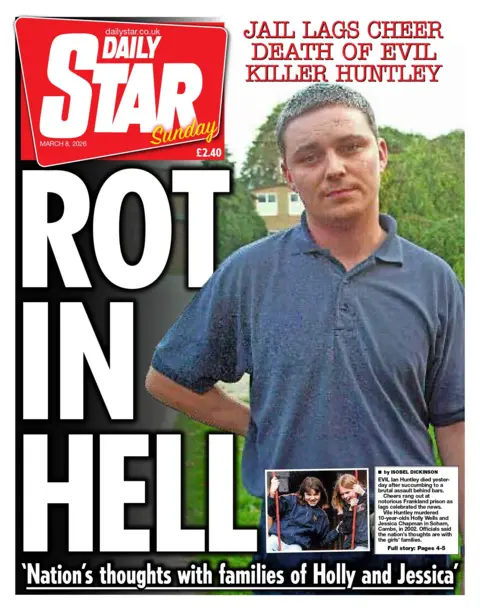
The news of Ian Huntley’s demise in prison, ten days after sustaining injuries in an attack, has resonated deeply across the United Kingdom, bringing a grim sense of finality to a case that has scarred the national psyche for over two decades. Huntley, the former school caretaker, was serving a life sentence with a minimum term of 40 years for the brutal 2002 murders of ten-year-old best friends Holly Wells and Jessica Chapman in Soham, Cambridgeshire. His crimes, which shocked the nation with their depravity and the calculated deception that followed, left an indelible mark on public consciousness, symbolizing a profound betrayal of trust and innocence.

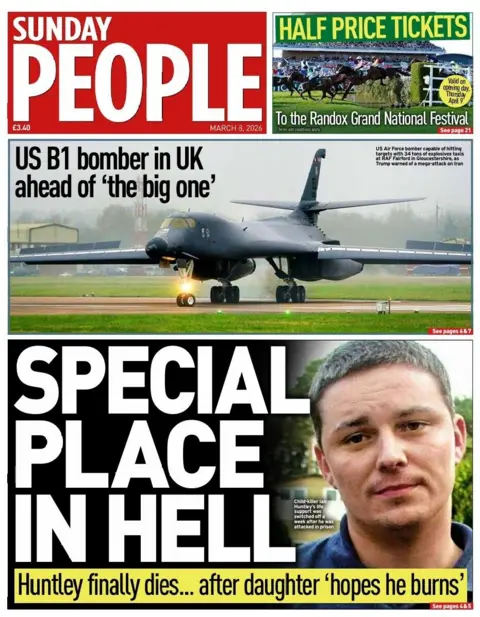
The immediate reaction from various media outlets underscored the intense public revulsion associated with Huntley’s name. Headlines such as the Sunday Mirror’s "Death Of A Monster," the Sun’s uncompromising "Flush His Ashes Down Toilet," the Daily Star’s stark "Rot In Hell," and the Sunday People’s evocative "Special Place In Hell" collectively demonstrate a widespread sentiment that transcended typical journalistic reporting, leaning instead into the collective emotional response to his heinous acts. These headlines reflect not merely news dissemination but a communal catharsis, a public reckoning with a figure deemed beyond redemption. A former prison guard from HMP Frankland in County Durham, where Huntley was incarcerated, reportedly articulated this sentiment, stating, "no one will shed any tears," a stark measure of the universal condemnation he faced. Further emphasizing this lack of posthumous regard, Samantha Bryan, identified as Huntley’s daughter, conveyed to the Sun her belief that her father did not merit a funeral, a powerful statement from within his own family affirming the societal judgment. Officials, acknowledging the profound impact of his crimes, were quoted as stating that the "nation’s thoughts are with the families of Holly and Jessica," offering a measure of official sympathy and recognition for the enduring suffering caused by his actions. The manner of his death, following an assault, has also implicitly raised questions regarding the security and management protocols for high-profile, highly reviled inmates within the correctional system, though official inquiries into such incidents typically follow established procedures, prioritizing transparency and accountability.
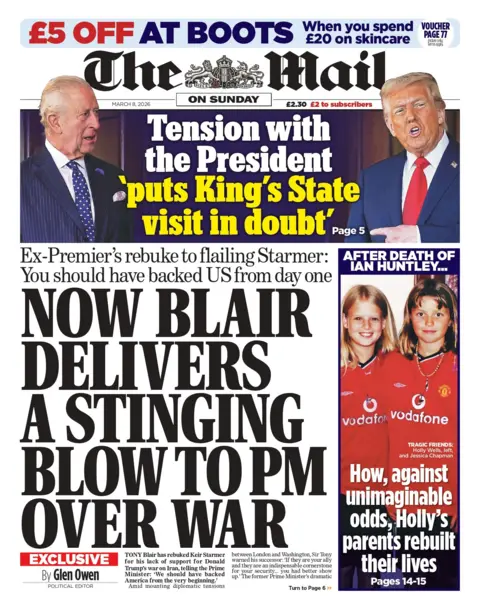
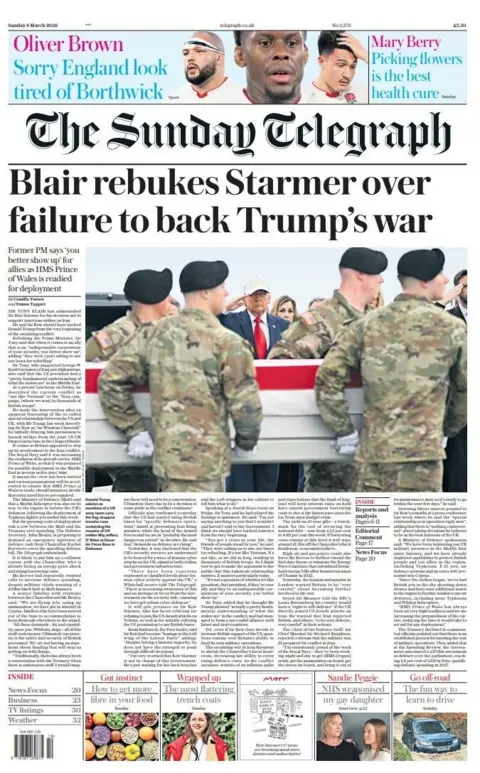
Concurrently, a significant political narrative has emerged, highlighting a notable divergence in foreign policy strategy within the Labour party, prompted by former Prime Minister Tony Blair’s pointed critique of current leader Sir Keir Starmer. Blair, a staunch advocate for a robust transatlantic alliance and, historically, for interventionist foreign policy, has reportedly "rebuked" Starmer for his perceived failure to unequivocally support American and Israeli military actions against Iran. According to reports in the Mail on Sunday and the Sunday Telegraph, Blair, speaking at a private luncheon, asserted that the United Kingdom "should’ve backed America from the very beginning" in the escalating conflict, describing the relationship with the United States as paramount, particularly in the current geopolitical climate.
This intervention by a former Labour premier carries considerable weight, framing Starmer’s more cautious approach as a "stinging blow" to a "flailing" Prime Minister, as described by the Mail on Sunday. Blair’s historical record, notably his unwavering support for George W. Bush’s invasions of Iraq and Afghanistan, positions his current comments within a consistent ideological framework emphasizing strong Anglo-American alignment and decisive international action. His counsel to Starmer implicitly suggests that a departure from this historical precedent weakens the UK’s global standing and its most critical alliance. Sir Keir Starmer’s leadership, however, has sought to recalibrate Labour’s foreign policy, potentially drawing lessons from the controversial outcomes of past military interventions. His decision not to immediately join initial US-Israel strikes on Iran could be interpreted as a strategic move to position the UK as a more independent, perhaps more diplomatic, actor on the global stage, or to avoid entanglement in conflicts perceived as potentially destabilizing without a clear international mandate. The Ministry of Defence, in response to the broader context of Middle East tensions, confirmed that the UK has been bolstering its military presence in the region since January, indicating a proactive stance on regional security regardless of the political debate surrounding specific interventions. The public nature of Blair’s comments, despite being delivered at a private event, underscores the internal pressures and ideological debates that continue to shape the Labour party’s approach to international relations, particularly as the country approaches a general election. The broader implications for UK foreign policy involve navigating complex alliances, national security interests, and the volatile dynamics of the Middle East, all while balancing domestic political considerations.
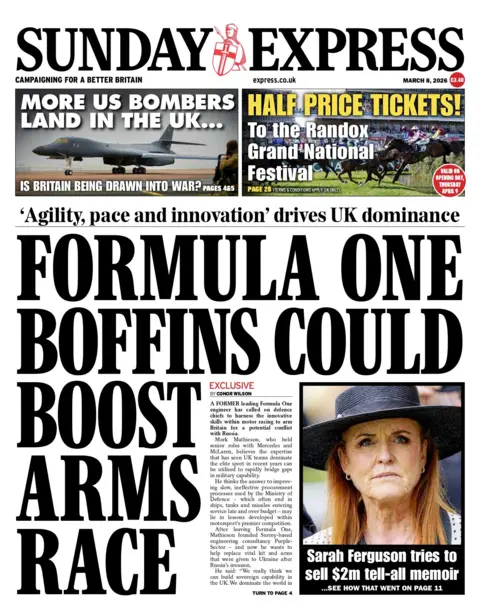
Beyond these dominant narratives, a range of other significant developments has captured public attention, illustrating the multifaceted nature of contemporary news. In the realm of national defence, a compelling proposal has emerged from a former Formula One engineer, Mark Mathieson, who previously worked with prestigious teams like Mercedes and McLaren. Mathieson has urged UK defence chiefs to "harness the innovative skills within motor racing to arm Britain for a potential conflict with Russia," as reported by the Sunday Express. His argument posits that the rapid prototyping, iterative design, and performance-driven culture inherent in Formula One could offer vital solutions to "improving slow, ineffective" processes within the Ministry of Defence. This concept of cross-sector innovation presents a fascinating avenue for accelerating military technological advancement, potentially offering a paradigm shift in how defence capabilities are developed and deployed.
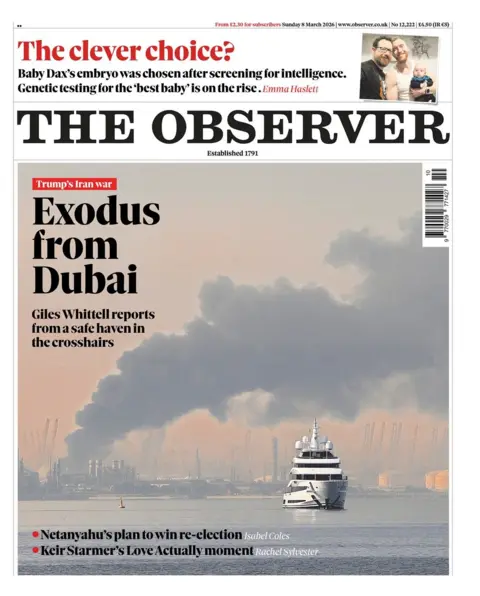
Geopolitical instability in the Gulf region has led to significant human displacement, with the Observer reporting an "Exodus from Dubai" as the war intensifies. This development highlights the ripple effects of regional conflicts, extending beyond direct combat zones to impact economic hubs and expatriate communities. The movement of populations from traditionally stable areas underscores the unpredictable and far-reaching consequences of escalating tensions, prompting concerns about humanitarian aid, regional stability, and the long-term economic outlook for affected areas.
The British Royal Family has also featured in the news, with Princess Eugenie stepping down from her role as patron of Anti-Slavery International, a position she had held for seven years. This decision, reported by the Observer, follows the public release of documents and emails related to the disgraced financier Jeffrey Epstein, which have cast a renewed shadow over her father, Prince Andrew, Duke of York, who denies any wrongdoing. The claims against Epstein involve sexual abuse and trafficking of women and girls. While the Observer explicitly states there is no suggestion of any wrongdoing by Princess Eugenie, her sister Princess Beatrice, or their mother Sarah Ferguson in connection with Epstein, the move signifies a careful management of royal affiliations in the wake of scandal, aimed at protecting the integrity and public perception of associated charitable organizations.
On a lighter, yet culturally significant note, the Telegraph brought news of a remarkable culinary triumph in Paris. Sithamparappillai Jegatheepan, a Sri Lankan baker, has been crowned the best producer of baguettes in the French capital this year. His victory is particularly noteworthy as he only established his business in 2018 and this was his first entry into the prestigious competition. Jegatheepan expressed his "big surprise" at the win, which not only comes with a €4,000 prize but also the esteemed right to supply around 25 baguettes every morning to the Élysée Palace, the official residence of the President of France. This story celebrates multicultural achievement, entrepreneurial spirit, and the breaking of traditional culinary stereotypes in a nation fiercely proud of its gastronomic heritage.
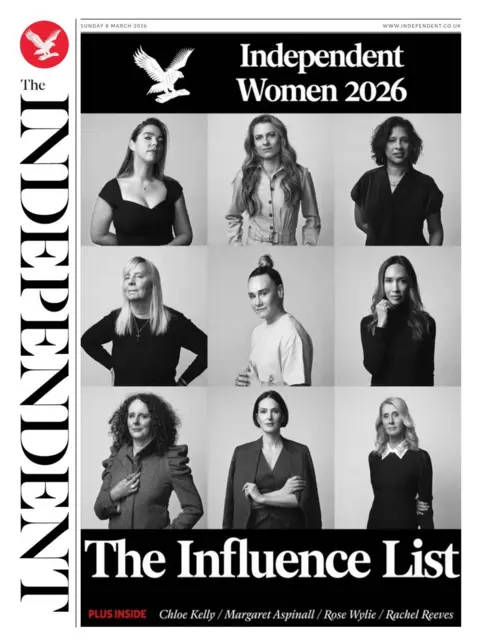
Finally, in recognition of International Women’s Day, the Independent featured its "Influence List," highlighting a diverse array of influential female figures. Among those celebrated were English soccer player Chloe Kelly, whose achievements on the field have inspired many, and Indhu Rubasingham, who has made history as the first woman and first person of colour to lead the National Theatre. Such recognitions underscore ongoing efforts to champion female leadership and talent across various sectors, reflecting a broader societal push for greater inclusivity and representation.

In summation, the concurrent unfolding of these diverse narratives — the somber conclusion to a notorious criminal case, a high-stakes political debate on international intervention, urgent calls for defence innovation, the human cost of geopolitical conflict, the careful navigation of royal patronage, and inspiring tales of cultural and professional achievement — collectively paints a vivid portrait of a nation grappling with its past, defining its present, and charting a complex course for its future. Each story, in its unique way, contributes to the intricate tapestry of national discourse, reflecting both the profound challenges and the enduring resilience within British society and its global interactions.



 Aura Kasih
 Safa Marwah
 Ayu Aulia