Aura Kasih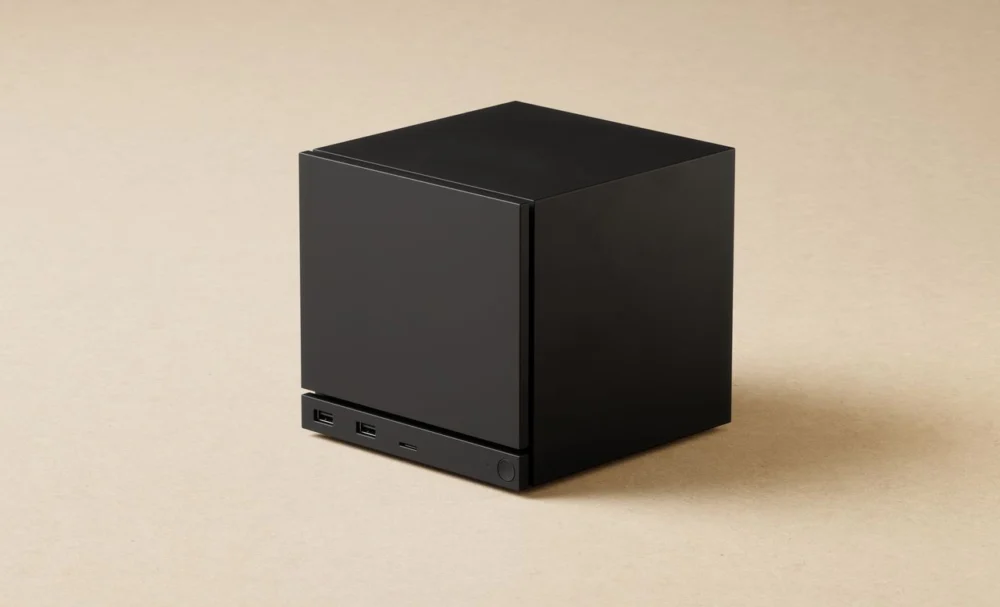
The anticipated launch of Valve’s next generation of dedicated gaming hardware, including the Steam Machine, Steam Frame, and Steam Controller, has been postponed from its initial early 2026 projections, with the company now cautiously stating a hope for shipment in 2026. This recalibration of timelines signals a broader challenge within the technology sector, specifically the persistent scarcity of critical memory and storage chips, which is impacting even the most established industry players.
Originally slated for release in the first half of 2026, a revision from an earlier "early 2026" or "Q1 2026" target, the new timeline has been further softened to a more generalized "we hope to ship in 2026." This ambiguity underscores the volatile nature of the current supply chain landscape. Valve’s official communication acknowledges the memory and storage chip shortages as the primary impediment, stating, "We hope to ship in 2026, but as we shared recently, memory and storage shortages have created challenges for us. We’ll share updates publicly when we finalize our plans!" This statement, while transparent about the root cause, represents a considerable shift from previous assurances and raises questions about the long-term viability and strategic adjustments required for such hardware endeavors.
The global semiconductor industry has been in a state of flux for several years, exacerbated by a confluence of factors including increased demand driven by the pandemic, geopolitical tensions, and a surge in manufacturing complexities. The specific shortage of memory (RAM) and storage (NAND flash) chips, now cited by Valve, is particularly acute. This scarcity is not confined to niche hardware manufacturers; it has permeated the entire technology ecosystem. Major corporations across various sectors, from consumer electronics to automotive, are reportedly grappling with increased costs and extended lead times for these essential components. The burgeoning demand from artificial intelligence (AI) development, which requires vast quantities of high-performance memory, has further intensified the competition for these resources, pushing prices upward and creating bottlenecks for other industries.
Valve’s previous hardware ventures, most notably the original Steam Machine and the highly successful Steam Deck, have demonstrated the company’s capacity for innovation and its understanding of the PC gaming market. The Steam Machine, first unveiled in 2013, aimed to bring the PC gaming experience to the living room, competing with traditional consoles. While it saw a variety of iterations and third-party support, it ultimately did not achieve the widespread market penetration envisioned. The subsequent release of the Steam Deck, a handheld PC gaming device, has been a resounding success, resonating with consumers and solidifying Valve’s position as a hardware developer. The current hardware initiative, encompassing the Steam Machine, Steam Frame, and Steam Controller, appears to be an evolution of these previous efforts, potentially seeking to refine the living room PC gaming concept and offer a more integrated ecosystem.

The implications of these delays extend beyond mere product availability. For Valve, it could mean a loss of market momentum, allowing competitors to establish a stronger foothold in the evolving living room entertainment space. The delay also presents a challenge for developers who may have been anticipating the new hardware to facilitate their game development and optimization strategies. Furthermore, the increased cost of components will inevitably translate to higher retail prices, potentially impacting consumer adoption rates, especially in a market already sensitive to price points. The company’s reliance on external manufacturing partners also makes it susceptible to the broader economic and logistical challenges faced by the global electronics manufacturing sector.
The current situation highlights the inherent risks associated with hardware development in an era of volatile supply chains. Unlike software, which can be iterated upon and deployed with relative agility, physical products are subject to the tangible constraints of material availability, manufacturing capacity, and global logistics. Valve’s decision to publicly acknowledge the delays and the underlying causes demonstrates a degree of transparency, but the extended timeline introduces uncertainty. The company’s past experience with the Steam Machine’s market reception may also be influencing its current cautious approach, suggesting a desire to ensure a more robust and well-supported launch for its next-generation hardware.
The broader impact of these component shortages on the technology industry cannot be overstated. It underscores a critical dependency on a limited number of chip manufacturers and a complex global supply network. Industry analysts have long warned of the need for diversification and increased investment in domestic manufacturing capabilities to mitigate such risks. The current crisis serves as a stark reminder of this vulnerability. For consumers, it means continued challenges in acquiring the latest technology, with higher prices and longer waiting periods becoming the norm.
Valve’s commitment to the PC gaming ecosystem remains evident, and the company’s ability to adapt to these unforeseen challenges will be crucial. The success of the Steam Deck suggests a strong understanding of consumer demand for flexible and powerful gaming platforms. The hope is that Valve can leverage this expertise and its substantial user base to navigate the current supply chain headwinds. The eventual release of the Steam Machine, Steam Frame, and Steam Controller will likely be met with considerable anticipation, but the journey to that point is proving to be a testament to the resilience required in the modern technology landscape. The company’s ability to provide further clarity on its roadmap and to secure the necessary components will be closely watched by gamers and industry observers alike. The path forward will undoubtedly require strategic foresight, strong supplier relationships, and potentially innovative solutions to overcome the ongoing global demand for essential technology components.




 Safa Marwah
 Ayu Aulia
 Lisa Mariana