Aura Kasih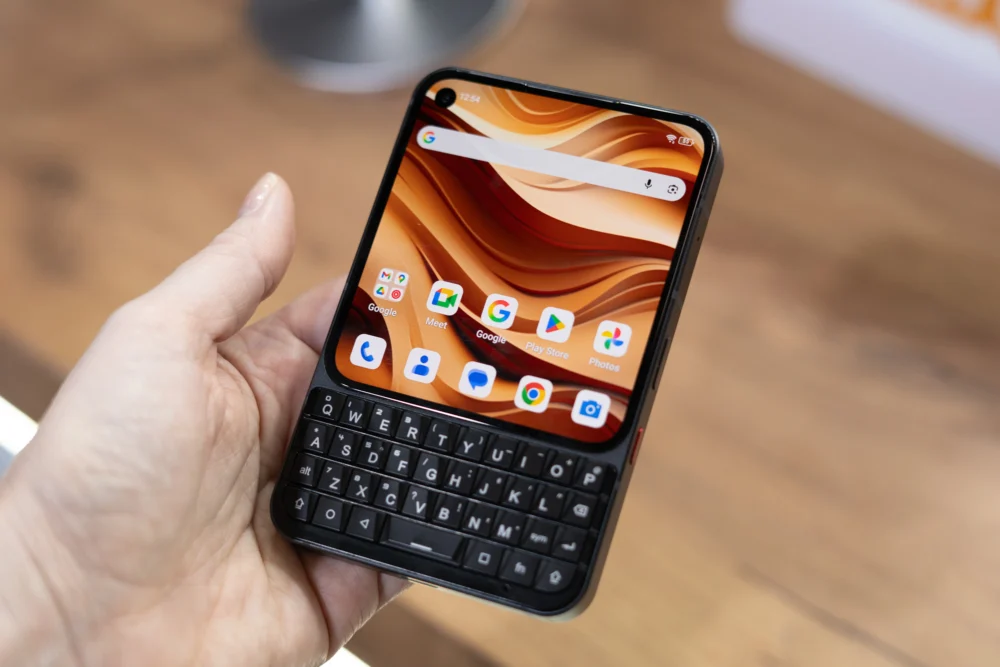
At the recent Mobile World Congress (MWC), amidst the dazzling array of cutting-edge smartphones and futuristic concepts, a distinct counter-trend began to solidify: the emergence of devices designed not to replace our primary smartphones, but to offer a deliberate respite from them. While the conventional narrative of smartphone evolution continues to push towards ever-greater functionality and integration into our lives, a growing segment of the market is exploring the opposite: simplification and intentional disengagement. This movement signifies a profound shift in how consumers are perceiving their relationship with ubiquitous smart devices, seeking tools that foster focus and reduce digital overload.
The Unihertz Titan Elite 2, a device that garnered significant attention at MWC, exemplifies this burgeoning category. Its distinctive cosmic orange hue and the tactile appeal of its physical QWERTY keyboard immediately drew observers, evoking nostalgia for earlier eras of mobile communication. More importantly, however, the Elite 2 offers a tangible departure from the glass-and-aluminum monoliths that dominate the current smartphone landscape. Its slim profile, lightweight construction, and the satisfying physicality of its keys contribute to a sense of unburdened interaction, a stark contrast to the often overwhelming experience of managing a feature-rich primary device. The sustained interest from attendees at Unihertz’s booth indicated a clear demand for an alternative to the constant connectivity and notification deluge characteristic of modern smartphones.
MWC has historically served as a crucible for novel and sometimes unconventional mobile device concepts. This year’s exhibition was no exception, showcasing a spectrum of experimental designs that challenged the definition of a smartphone. From a device purportedly equipped with an electric igniter to one featuring an integrated gimbal camera reminiscent of professional videography equipment, and even specialized phones designed for pet owners, the event highlighted a persistent human curiosity for innovation beyond the mainstream. While the long-term viability of many of these niche offerings remains uncertain, their presence underscores a collective desire for differentiation and a willingness to explore alternative technological pathways.
Interspersed with these more experimental gadgets, a more pragmatic trend was evident: the rise of secondary or "away-from-phone" phones. While not an entirely new concept, the notion of a simplified device that prioritizes essential communication and offers a superior typing experience, or simply provides a much-needed digital vacation from one’s primary device, appears to be gaining significant traction. These devices are not necessarily designed as "dumbphones" in the traditional sense, but rather as complementary tools that address the growing concern over excessive screen time and digital dependency.

Crucially, many of these secondary devices possess the latent capability to function as primary smartphones. Unihertz, for instance, has cultivated a loyal user base that often repurposes its existing devices for this very purpose. The Titan Elite 2, running Android 16 and promising OS updates up to Android 20, offers a robust feature set. While the experience of consuming content on its 4-inch, squarish display might not rival that of larger, more conventional smartphones, its primary appeal lies in its potential to actively discourage excessive usage. It serves as a potent reminder that the purpose of a device can be as much about what it doesn’t do as what it does.
The underlying principle behind this secondary phone paradigm is the creation of intentional distance between the user and their primary device. For individuals seeking to reclaim their weekends from endless scrolling and dedicate more time to activities like reading, a secondary phone can facilitate essential communication—texting and calling—without the pervasive distractions of social media applications. Furthermore, the inherent limitations of these secondary devices can serve as a deterrent to unproductive digital habits. A suboptimal experience engaging with social media on a less capable device may naturally lead to reduced engagement, thereby reinforcing the user’s objective of digital disengagement.
The Unihertz Titan Elite 2 occupies a similar conceptual space to the Clicks Communicator, which debuted earlier this year. Both devices leverage physical keyboards to enhance the typing experience and offer a distinct alternative to the touchscreen-dominant smartphone market. While the Unihertz offering features tightly packed, square keys, Clicks emphasizes a more separated, oval key design. Clicks explicitly markets its device as a secondary tool, optimized for efficient communication rather than social media consumption. Both devices, however, remain full-fledged Android phones, complete with features like headphone jacks and microSD card slots, underscoring their potential as primary drivers for users who prioritize tactile input.
In contrast to the QWERTY-focused approach of the Communicator and the Titan Elite 2, the Light Phone III represents a more radical commitment to minimalism. Its functionality is intentionally restricted to core communication features such as texting, calling, and essential utilities like calendar and navigation. Kaiwei Tang, co-founder and CEO of Light, has dedicated a decade to developing minimalist phones. He observes that a significant portion of Light Phone users employ it as their primary device, while the remainder utilize it as a supplementary tool alongside their feature-rich smartphones. Tang reports consistent year-over-year growth for Light, achieved without any formal marketing expenditure, indicating a substantial and expanding market for intentionally simplified devices.
The fundamental question arises: is the solution to "digital fatigue" truly another digital device? While the appeal of screen-free interaction is undeniable, its immediate practical implementation remains a challenge. Tang acknowledges the potential of voice user interfaces (VUIs) as a future paradigm for interaction but posits that current technological limitations preclude their widespread adoption as a complete replacement for visual interfaces. He argues that discreet and accessible input methods remain a necessity, and for the foreseeable future, a portable screen-based device continues to be the most practical solution.

An alternative strategy involves integrating minimalist functionality directly into primary smartphones. This approach, however, often faces the inherent drawback of easy circumvention. Software-based focus modes or simplified app suites can typically be deactivated with relative ease, allowing users to quickly revert to their established digital habits. Fairphone’s recent devices offer an intriguing iteration of this concept with a physical switch that activates a customizable "moment," restricting access to pre-selected applications and contact methods. This physical mechanism introduces a marginal but significant barrier compared to simply toggling a software setting, thereby fostering a more deliberate transition into a focused state.
This growing interest in minimalist and secondary phone solutions emerges against a backdrop of significant economic challenges within the smartphone industry. The global RAM shortage has profoundly impacted manufacturers, leading to inevitable price increases across the board. The prospect of purchasing a second, albeit simpler, device becomes considerably less attractive when the cost of even a single primary smartphone is escalating. This economic pressure undoubtedly exacerbates the challenges faced by smaller brands striving to introduce innovative products, and there is little indication of immediate relief.
Despite these formidable obstacles, the companies engaged in this segment of the market remain undeterred. For individuals like Kaiwei Tang, the unwavering support of their customer base serves as a primary motivator. Tang expresses optimism for the future, attributing it to the younger generation’s perceived aptitude for managing their tool usage and making informed decisions about technology adoption. He humorously notes the generational difference, stating, "My generation—we’re ruined." This sentiment suggests a belief that future generations will possess a more discerning approach to digital consumption and tool selection. If such optimism can persist in the face of significant business challenges, then there is cause for continued anticipation of further innovation within this evolving technological landscape, regardless of the eventual form these solutions may take.



 Lisa Mariana
 Safa Marwah
 Ayu Aulia