Ridwan Kamil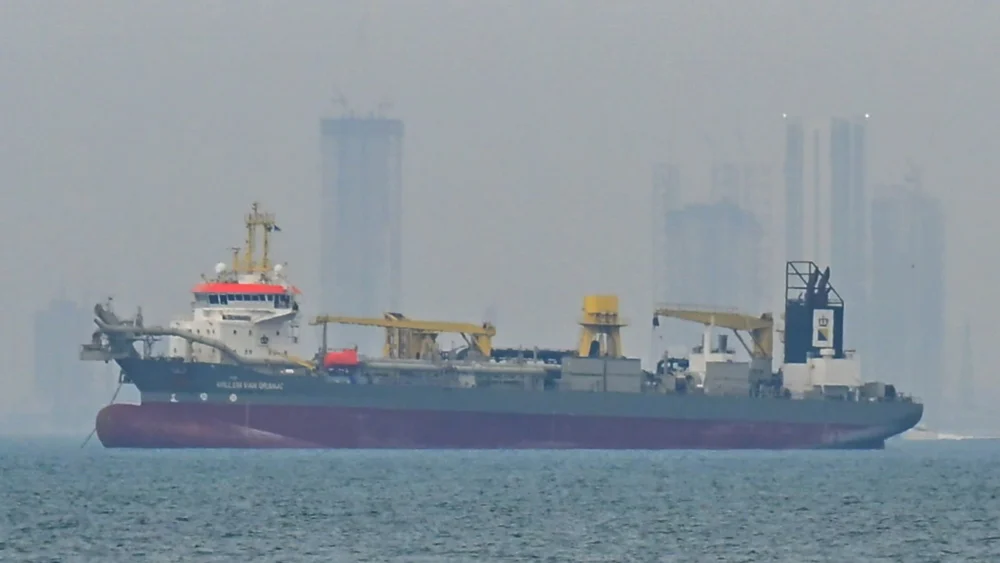
A dramatic surge in insurance costs across the Gulf Cooperation Council (GCC) region has left businesses and individuals reeling, with premiums escalating by an astonishing twelve times their previous levels, even in the wake of high-level diplomatic assurances aimed at fostering stability and economic confidence.
The escalating cost of insurance in the Gulf region represents a critical challenge to the economic vitality and investment landscape of several key Middle Eastern nations. This dramatic price hike, a twelvefold increase in premiums, stands in stark contrast to assurances of security and stability that have been publicly articulated by various governments and diplomatic bodies. The disconnect between perceived geopolitical safety and the tangible financial burden placed upon businesses and individuals seeking coverage raises significant questions about risk assessment, market dynamics, and the efficacy of diplomatic interventions in influencing commercial realities.
The Unfolding Crisis: A Multifaceted Premium Surge
The precipitous rise in insurance premiums across the GCC is not a monolithic phenomenon but rather a complex interplay of escalating risk factors, evolving geopolitical tensions, and shifting underwriting appetites among global insurers. While specific figures vary by sector and individual risk profile, the general trend indicates a widespread and significant increase in the cost of obtaining comprehensive insurance coverage. This surge affects a broad spectrum of industries, from maritime shipping and aviation to energy infrastructure and commercial property, as well as impacting the cost of personal insurance for expatriates and local residents alike.
The most prominent driver of this inflationary pressure appears to be a recalibration of perceived geopolitical risks. Despite diplomatic efforts to project an image of regional stability, underlying tensions and localized conflicts continue to cast a shadow over the region. These perceived or actual threats, ranging from maritime security concerns in critical shipping lanes to the potential for regional proxy conflicts, are directly factored into the actuarial calculations of insurance providers. Insurers, operating on a global scale, are compelled to price policies that reflect the aggregate risk exposure, and any increase in volatility or uncertainty necessitates a commensurate rise in premiums to maintain solvency and profitability.
Furthermore, the global insurance market itself has been subject to significant stress in recent years. A confluence of factors, including increased frequency and severity of natural disasters worldwide, rising inflation impacting claims costs, and a period of historically low interest rates that diminished investment returns for insurers, has led to a general hardening of the insurance market. This global trend exacerbates the localized pressures within the GCC, making it more challenging for regional businesses to secure affordable coverage.
The "Trump Guarantee" and its Limited Impact
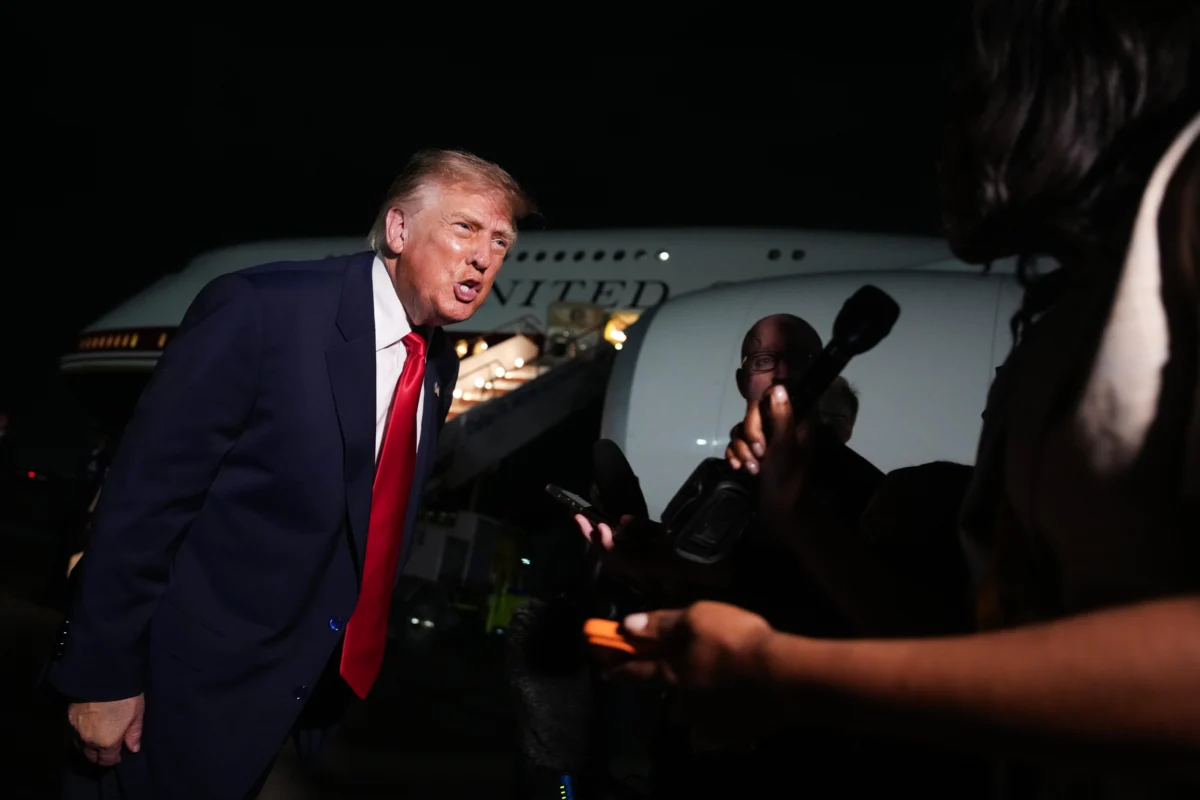
The reference to a "Trump guarantee" in this context likely alludes to a period during the former U.S. administration characterized by a strong emphasis on regional security alliances and a more assertive stance against perceived threats, particularly from Iran. At the time, such diplomatic overtures and security commitments were intended to bolster confidence and deter aggression, thereby ostensibly reducing the risk profile of the region for investors and businesses. However, the subsequent surge in insurance costs suggests that these assurances, while perhaps politically significant, failed to translate into a material reduction in the quantifiable risks that underwriters assess.
The discrepancy between diplomatic pronouncements and market realities highlights a critical distinction between political rhetoric and financial prudence. Insurers operate on data-driven risk assessments. While political guarantees can influence investor sentiment and potentially deter overt hostilities, they do not necessarily eliminate the underlying vulnerabilities or the potential for localized disruptions that can lead to claims. Factors such as the freedom of navigation in vital waterways, the integrity of critical infrastructure against sabotage or attack, and the potential for regional instability to spill over into economic disruption, are all tangible risks that underwriters must price into their policies. The "Trump guarantee," therefore, appears to have been insufficient to offset the prevailing risk premiums demanded by the global insurance market.
Sectoral Impacts and Economic Repercussions
The impact of soaring insurance costs is felt acutely across various critical sectors of the GCC economy.
-
Maritime and Shipping: The GCC region is a vital hub for global trade, with its extensive coastlines and strategic waterways. Increased premiums for marine insurance directly affect the cost of importing and exporting goods, potentially leading to higher consumer prices and impacting the competitiveness of regional businesses in the global marketplace. The cost of insuring vessels against piracy, geopolitical incidents, and navigational hazards has seen a dramatic escalation.
-
Aviation: Air travel and cargo are crucial for regional connectivity and tourism. Higher aviation insurance premiums translate to increased operating costs for airlines, which may be passed on to passengers through higher ticket prices. This can dampen tourism and business travel, impacting a key economic driver for many GCC nations.
-
Energy Sector: The region is a major producer of oil and gas. Insurance for offshore platforms, pipelines, and refining facilities is essential. Increased premiums in this sector can raise the cost of energy production, potentially affecting global energy prices and the profitability of national oil companies, which are often significant contributors to government revenues.
-
Construction and Real Estate: The GCC has a dynamic construction industry, with numerous large-scale projects underway. Higher insurance costs for contractors and developers can increase project budgets, potentially leading to delays or cancellations. For commercial and residential property, rising insurance premiums can affect rental yields and property values.
-
Expatriate and Local Population: For individuals, the cost of health insurance, travel insurance, and even property insurance has also risen. This places an additional financial burden on residents, particularly expatriates who often rely on employer-provided or privately purchased insurance.
Underlying Risk Factors and Market Dynamics
Several interconnected factors contribute to the current insurance premium surge:
-
Geopolitical Volatility: Despite diplomatic efforts, the region remains susceptible to geopolitical tensions, including proxy conflicts, maritime security threats, and internal political fragilities in certain nations. These factors create an environment of heightened uncertainty for insurers.
-
Sanctions and Trade Restrictions: The imposition or potential imposition of international sanctions can significantly alter the risk landscape for businesses operating in or trading with the region, leading to increased insurance premiums to cover associated compliance and operational risks.
-
Cybersecurity Threats: As economies become increasingly digitized, the risk of cyberattacks on critical infrastructure, financial institutions, and businesses escalates. Premiums for cyber insurance have seen a significant rise globally, and the GCC is not immune to this trend.
-
Inflationary Pressures: Global inflation impacts the cost of repairs, medical treatments, and general claims settlement, forcing insurers to increase premiums to maintain their financial reserves.
-
Capacity Constraints: In certain high-risk sectors or geographies, the global insurance market may experience capacity constraints, meaning there is less available capital to underwrite complex or high-value risks. This scarcity can drive up prices for the available coverage.
-
Reinsurance Market Hardening: Insurers themselves rely on reinsurers to offload a portion of their risk. The global reinsurance market has also been experiencing a hardening cycle due to increased claims from natural catastrophes and other global events, leading to higher reinsurance costs that are then passed on to primary insurers.
Expert Analysis and Future Outlook
Industry analysts suggest that the current insurance market in the GCC is undergoing a significant repricing exercise. Insurers are recalibrating their risk models to reflect a more nuanced understanding of regional vulnerabilities, moving beyond broad diplomatic assurances to granular assessments of specific threats.
"The era of artificially low insurance premiums, often subsidized by a perception of unwavering geopolitical stability, is over," notes Dr. Aisha Al-Mansoori, a senior risk analyst specializing in Middle Eastern markets. "Insurers are now demanding premiums that accurately reflect the tangible risks associated with operating in a dynamic and sometimes unpredictable regional environment. Diplomatic interventions are important for signaling intent, but they do not negate the actuarial realities of potential disruptions."
The future outlook for insurance costs in the GCC remains uncertain, contingent on a delicate balance of geopolitical developments, economic diversification efforts, and the global insurance market’s trajectory. For businesses, a strategic approach to risk management will become paramount. This may involve investing in enhanced security measures, diversifying supply chains to mitigate transit risks, and exploring alternative risk transfer mechanisms beyond traditional insurance policies.
"We are likely to see a continued emphasis on proactive risk mitigation," states Mr. David Chen, a senior underwriter with a global insurance firm. "Companies that demonstrate a robust commitment to security, resilience, and operational continuity will be better positioned to negotiate more favorable terms. Insurers will increasingly reward demonstrable risk reduction efforts."
The current situation underscores the need for sustained diplomatic efforts that are coupled with concrete actions to de-escalate tensions and foster enduring regional stability. For the GCC economies to maintain their growth trajectory and attract sustained foreign investment, a predictable and affordable insurance landscape is not merely a convenience but an economic imperative. The twelvefold increase in premiums serves as a stark reminder that perceived political guarantees must be substantiated by tangible improvements in the underlying risk environment to truly impact the financial realities faced by businesses and individuals. Without such a shift, the cost of insuring against regional uncertainties will continue to weigh heavily on economic development.


 Aura Kasih
 Safa Marwah
 Ayu Aulia