Lisa Mariana
A significant investigation into alleged state-sponsored espionage has sent ripples through Westminster and the United Kingdom’s national security establishment, following the detention of three individuals suspected of providing assistance to a foreign intelligence service, one of whom reportedly maintains a close association with a prominent Labour Member of Parliament. The arrests, executed across various locations in the UK, underscore the escalating concerns regarding hostile state activities and highlight the robust application of recently enacted legislation designed to counteract such threats.
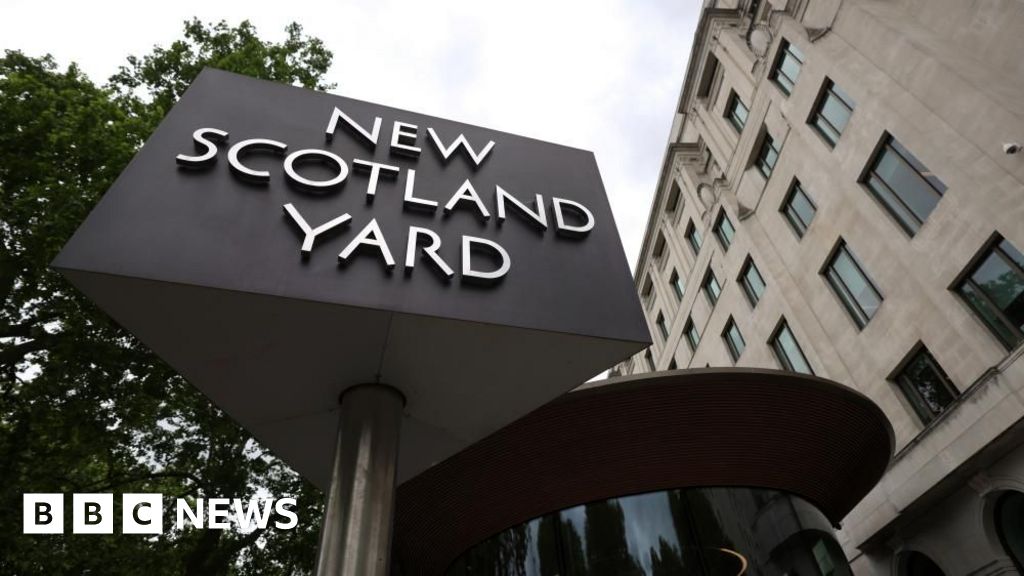
The Metropolitan Police confirmed the arrests of three men, aged 39, 43, and 68, in London and Wales, as part of an ongoing counter-terrorism policing operation. These detentions fall under the purview of the National Security Act 2023, a legislative instrument specifically crafted to address the evolving landscape of state threats against the United Kingdom. While authorities have reassured the public that there is no immediate or direct threat, the gravity of the allegations – assisting a foreign intelligence service – signals a serious breach of national security protocols and potentially sensitive information channels. All three suspects remain in custody, with concurrent searches having been conducted in London, East Kilbride, and Cardiff, suggesting a broad geographic scope to the alleged network.
The political dimension of this unfolding saga intensified with reports indicating that one of the detained individuals is linked to a senior Labour MP. While the identity of the MP and their associate has not been publicly disclosed by official sources, this connection immediately elevates the sensitivity of the investigation, drawing scrutiny to the interactions between political figures and individuals who may be vulnerable to or actively engaged in foreign influence operations. The incident precipitates a period of intense examination not only within the Labour Party but also across the wider political spectrum, prompting renewed debate on vetting processes, transparency, and the inherent risks of maintaining relationships with entities that may pose a national security concern.
In the aftermath of the arrests, parliamentary discussions reflected the profound implications of the probe. Security Minister Dan Jarvis addressed the House of Commons, affirming the government’s unwavering commitment to prioritising national security over economic considerations. He unequivocally stated that the UK would not "trade off security for economic access," a clear signal of the government’s hardened stance towards nations perceived as engaging in hostile activities. Jarvis also warned of "severe consequences" should allegations of Chinese interference in UK sovereign affairs be substantiated, reiterating the government’s resolve to counter foreign interference from any state actor. These remarks underscore the delicate balance the UK government seeks to strike between maintaining functional diplomatic and economic relations with major global powers and robustly defending its national interests and democratic integrity.
The National Security Act 2023, under which these arrests have been made, represents a pivotal overhaul of the UK’s legal framework for confronting state threats. Introduced following extensive consultations and driven by a recognition that previous legislation was inadequate for the complexities of modern espionage and foreign interference, the Act consolidates and updates various powers. Section 3, specifically targeting individuals assisting a foreign intelligence service, criminalises acts carried out to "materially assist a foreign intelligence service in carrying out UK-related activities," or conduct likely to assist such a service. This provision broadens the scope of prosecutable offences beyond traditional espionage, encompassing a wider array of activities that undermine national security, economic interests, or democratic processes. The use of this relatively new legislation in a high-profile case such as this demonstrates the government’s intent to deploy its new powers decisively.
Commander Helen Flanagan, head of Counter Terrorism Policing London, articulated the evolving threat landscape, noting a "significant increase" in national security casework in recent years. Her comments highlight a broader trend observed across Western intelligence agencies, where traditional counter-terrorism efforts are increasingly converging with state-threat investigations. The specialised skills, intelligence networks, and investigative capabilities developed in combating terrorism are proving highly relevant in disrupting sophisticated state-sponsored malign activities, which often employ similar clandestine methodologies. The shift reflects an acknowledgement that threats to national security now emanate from a more diverse set of actors and tactics, requiring an adaptable and comprehensive law enforcement response.
The context for these arrests is set against a backdrop of increasingly strained UK-China relations. While China remains a crucial economic partner for the UK, strategic concerns have mounted over Beijing’s growing assertiveness on the global stage, its human rights record, and allegations of widespread espionage and cyber warfare. The UK, like many of its allies, has wrestled with the "China dilemma" – how to engage with a rising superpower economically while simultaneously protecting its national interests from perceived threats. This balancing act has led to a policy of "de-risking" rather than outright "decoupling," aiming to reduce strategic dependencies on China while maintaining selective engagement. High-profile incidents, such as the alleged targeting of parliamentarians or the theft of intellectual property, have steadily eroded trust and necessitated a more cautious and robust approach from London.
The political ramifications of this case are multifaceted. For the Labour Party, the revelation of a link between a detained individual and one of its MPs presents an immediate challenge. It necessitates internal reviews and a clear demonstration of commitment to national security principles, particularly as the party positions itself as a credible alternative government. For the government, it reinforces the narrative of a persistent and pervasive threat from hostile states, justifying its emphasis on national security legislation and intelligence capabilities. Cross-party consensus on confronting foreign interference has largely held firm, but this incident could intensify political rhetoric and potentially lead to demands for greater transparency regarding the associations of public figures. Shadow Cabinet Office Minister Alex Burghart’s warning that "Unless the United Kingdom stands up to these threats, our country will continue to be treated with disdain" encapsulates the prevailing sentiment that robust action is imperative.
Beyond the immediate political sphere, the investigation carries significant implications for the UK’s intelligence and security community. Counter-espionage operations are inherently complex, requiring meticulous intelligence gathering, careful evidence collection, and a deep understanding of geopolitical machinations. The successful identification and apprehension of alleged state actors is often the culmination of years of painstaking work, often operating in the shadows. Such arrests serve not only to disrupt specific intelligence operations but also to send a clear deterrent message to other state actors contemplating similar actions within UK borders. The sharing of intelligence with allied nations, particularly within the Five Eyes network (UK, US, Canada, Australia, New Zealand), is critical in building a comprehensive picture of global state threats and coordinating responses.
The economic dimension of this dilemma remains salient. While Minister Jarvis stressed that security would not be traded for economic access, he also acknowledged the "naive" nature of advocating for no "functional working relationship with China." This statement highlights the ongoing tension between national security imperatives and the economic realities of global interdependence. China’s vast market and its role in global supply chains make complete disengagement a formidable challenge. Consequently, policymakers are tasked with developing strategies that safeguard critical national infrastructure, sensitive technologies, and democratic processes, while simultaneously exploring avenues for cooperation on global issues such as climate change and public health. The alleged espionage case underscores the risks inherent in this complex relationship and will undoubtedly inform future policy decisions concerning foreign direct investment, academic partnerships, and technological collaboration with Chinese entities.
Looking ahead, the legal proceedings following these arrests will be closely watched. The prosecution of individuals under the National Security Act 2023 will set important precedents and test the efficacy of the new legislation. The evidence presented, the legal arguments mounted, and the ultimate verdicts will provide crucial insights into the nature of modern state threats and the judicial system’s capacity to address them. Diplomatically, the incident is likely to prompt further exchanges between London and Beijing, with the UK having already informed Chinese counterparts of the allegations. While China typically denies such accusations, the public exposure of alleged espionage operations often leads to heightened diplomatic tensions and reciprocal actions.
In conclusion, the arrests of three individuals on suspicion of assisting a foreign intelligence service, with one reportedly linked to a prominent political figure, represents a watershed moment for UK national security. It underscores the pervasive and evolving nature of state threats, the strategic importance of the National Security Act 2023, and the critical need for vigilance across all sectors of society. The delicate balance between economic engagement and national security will continue to define the UK’s relationship with powerful geopolitical actors. This investigation serves as a stark reminder that the defence of national interests and democratic integrity demands constant adaptation, robust legal frameworks, and an unwavering commitment from both government and civil society. The implications of this case will resonate for years to come, shaping policy, intelligence priorities, and public discourse on the enduring challenges of modern espionage.




 Aura Kasih
 Safa Marwah
 Ayu Aulia