Lisa Mariana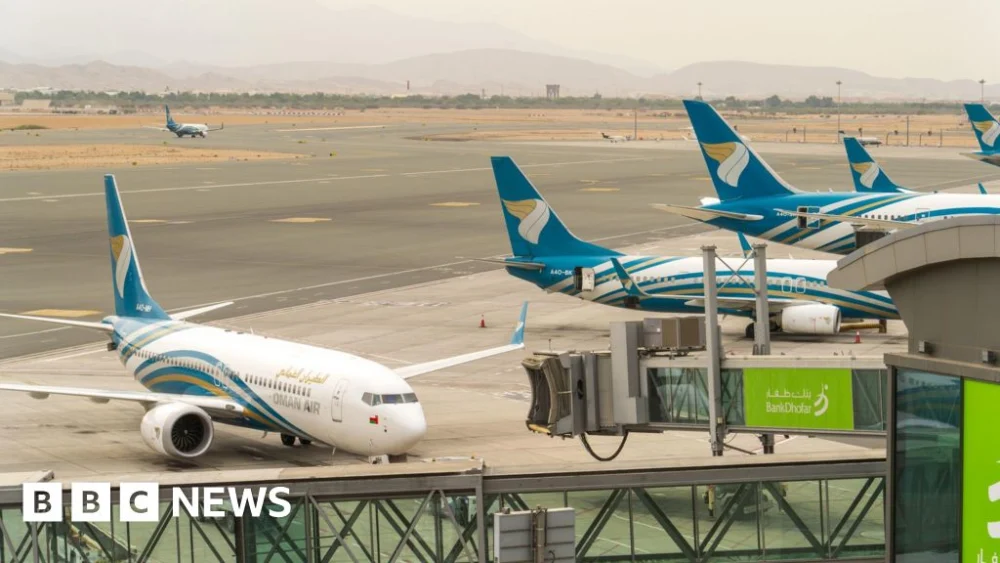
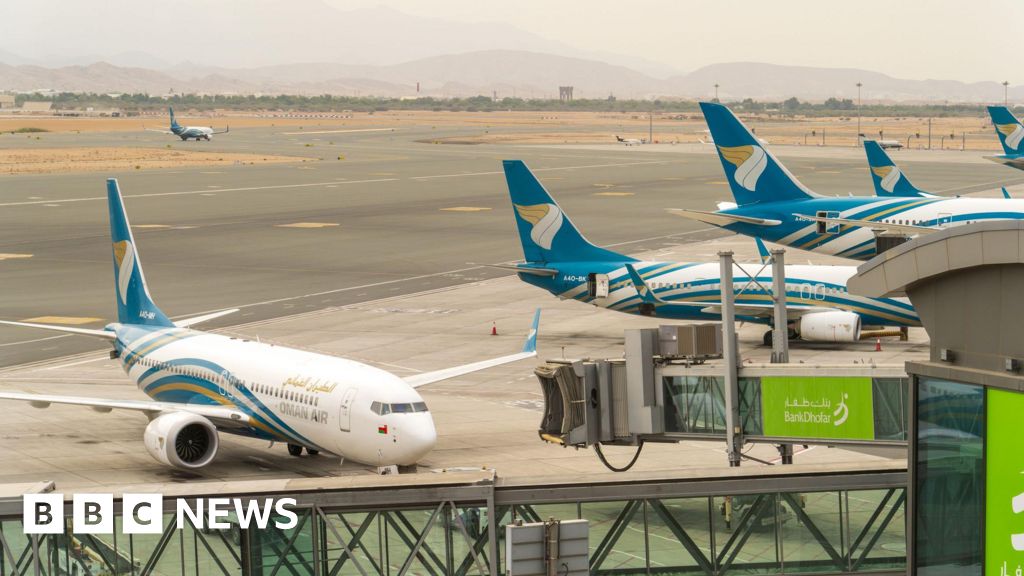
A critical operation is underway to facilitate the return of British nationals from the Middle East, as the inaugural government-chartered flight is poised to depart from Oman later today. This significant initiative addresses the widespread travel paralysis gripping the region following a dramatic escalation of geopolitical tensions, including sustained missile and drone barrages that have compelled major airlines to ground flights and severely restrict airspace.
The initial repatriation aircraft is scheduled to take off from Muscat International Airport at 23:00 local time (19:00 GMT), carrying a contingent of the most vulnerable British citizens. This urgent response comes amidst an unprecedented surge in demand for assistance, with over 130,000 Britons having registered their desire to leave the area since the recent intensification of conflict between key regional powers. The disruption to air travel is being likened by British officials to the most significant impediment to global movement since the onset of the COVID-19 pandemic, affecting thousands of flights and impacting a crucial international transit hub.
Escalating Regional Crisis and Aviation Fallout
The Middle East, a pivotal nexus for international air travel and home to some of the world’s busiest airports, has been plunged into an aerial lockdown. The widespread flight suspensions by major carriers, including Emirates, Etihad Airways, and Qatar Airways, underscore the gravity of the security situation. Airspace over several nations, including Saudi Arabia, Iran, Iraq, Qatar, Bahrain, Kuwait, Syria, the United Arab Emirates, and Israel, remains either entirely or partially closed, rendering normal commercial flight operations impossible.
This unprecedented grounding of flights stems from a dramatic uptick in regional hostilities. Reports indicate a series of coordinated missile and drone attacks, which have introduced a high degree of unpredictability and risk into the region’s air corridors. The inherent dangers of operating commercial aircraft in contested or potentially hostile airspace have led aviation authorities and airlines to prioritize passenger and crew safety above all else, resulting in the extensive cancellations and delays now impacting hundreds of thousands of travelers globally.
The Repatriation Mechanism: Prioritization and Logistics
The United Kingdom’s Foreign, Commonwealth & Development Office (FCDO) has outlined the stringent criteria for boarding the initial repatriation flight from Oman. Priority will be afforded to British nationals, their registered spouses or partners, and children under the age of 18. This selective approach reflects the overwhelming demand for assistance, which is expected to far exceed the capacity of a single aircraft. The FCDO has advised British citizens who have relocated from other affected areas, such as Dubai in the UAE, to Oman in anticipation of the flight, to formally register their interest in returning to the UK via chartered services.
Foreign Secretary Yvette Cooper, in a recent address to Members of Parliament, unequivocally stated that the "safety and security" of British nationals is the government’s paramount concern. She indicated that Oman was identified as the most viable initial departure point for repatriation efforts, likely due to its relative stability and logistical capabilities amidst the broader regional turmoil. The FCDO has also issued updated travel advisories, urging against all but essential travel to the United Arab Emirates, Bahrain, Kuwait, and Qatar, reflecting the elevated risk assessment across these territories.
Broader UK Government Response and Strategic Deployments
Beyond the immediate task of repatriating its citizens, the UK government is actively engaged in a broader strategic response to the escalating crisis. This includes military deployments aimed at safeguarding British interests and assets in the region. Notably, the Royal Navy destroyer HMS Dragon is being dispatched to the Mediterranean. This deployment is intended to reinforce defensive capabilities around the British military base at Akrotiri in Cyprus, which reportedly sustained an Iranian drone attack. While the precise departure timeline for HMS Dragon remains undisclosed, its deployment signals a proactive posture by the UK to protect its strategic outposts and personnel in an increasingly volatile environment.
The presence of HMS Dragon in the Mediterranean, a critical strategic waterway, serves multiple purposes. It acts as a deterrent, enhances surveillance capabilities, and provides a robust defensive shield for British sovereign bases and personnel. This military measure complements the diplomatic and logistical efforts to extract British civilians, illustrating a comprehensive governmental approach to managing the multifaceted implications of the regional instability.
Airline Operations Under Duress: A Regional Snapshot
The operational landscape for commercial airlines across the Gulf has been drastically altered.
- Emirates, one of the world’s largest international carriers, has implemented a full suspension of all commercial flights to and from Dubai for Wednesday. However, the airline is managing a limited number of essential repatriation and freighter flights. Passengers are strictly advised against proceeding to the airport unless they have received direct confirmation from the airline regarding their specific flight.
- Etihad Airways, based in Abu Dhabi, has likewise halted all commercial operations to and from its hub until 14:00 local time (10:00 GMT) on Thursday, pending further assessment of the security situation.
- Qatar Airways, headquartered in Doha, has declared a complete cessation of flights until the Qatar Civil Aviation Authority provides clearance for the safe reopening of airspace. Passengers holding bookings between February 28th and March 10th are offered flexibility, with options for refunds or free date changes up to 14 days from their original travel date. Updates from Qatar Airways are not expected until Friday at 09:00 local time (06:00 GMT).
- British Airways has suspended flights from several regional airports, including Abu Dhabi, Amman, Bahrain, Doha, Dubai, and Tel Aviv. However, a specific repatriation flight from Muscat to London is scheduled for Thursday, departing at 02:30 local time (22:30 GMT on Wednesday), offering a crucial pathway for British nationals from Oman.
Analysis: Geopolitical Undercurrents and Long-Term Implications
The current crisis transcends mere travel inconvenience; it represents a significant escalation of long-simmering geopolitical tensions in the Middle East. The direct engagement of multiple state and non-state actors through missile and drone attacks signals a dangerous new phase, threatening regional stability and global commerce. The ‘war’ referenced in initial reports, though perhaps a strong term for ongoing skirmishes, points to an environment where calculated military actions are now a regular feature, creating an unpredictable backdrop for international travel and business.
The Gulf’s role as a global aviation hub makes it particularly susceptible to such disruptions. The grounding of flights here has ripple effects across continents, impacting supply chains, international business travel, and the tourism industry. The economic fallout for airlines, airports, and related services will be substantial, with potential long-term shifts in travel patterns if perceived risks persist. Businesses reliant on the seamless flow of goods and personnel through this region face significant challenges, necessitating contingency planning and potentially re-routing global logistics.
From a humanitarian perspective, the plight of 130,000 stranded individuals underscores the complex challenges faced by governments in safeguarding their citizens during international crises. The logistical nightmare of organizing mass repatriations, coordinating with various host nations, and prioritizing vulnerable cases highlights the intricate web of international diplomacy and emergency response mechanisms. The psychological toll on those stuck in a volatile region, far from home, cannot be overstated.
Looking ahead, this event may serve as a critical precedent for how nations respond to similar crises in regions central to global connectivity. It could prompt a re-evaluation of international travel advisories, airline risk assessments, and the robustness of emergency consular services. The deployment of military assets alongside civilian repatriation efforts also signals a comprehensive and potentially more interventionist approach to protecting national interests in a fragmented global security landscape. The enduring instability in the Middle East, exacerbated by these recent events, will continue to demand sophisticated diplomatic, security, and humanitarian responses from the international community. The rapid and coordinated actions taken by the UK government, while challenging, are indicative of the growing necessity for agile and robust responses to complex geopolitical emergencies.


 Aura Kasih
 Safa Marwah
 Ayu Aulia