Lisa Mariana
The British government has announced a significant tightening of its immigration policy, imposing an immediate cessation on the issuance of study visas to nationals from Afghanistan, Cameroon, Myanmar, and Sudan, alongside a halt to skilled work visas for individuals from Afghanistan, citing pervasive misuse of entry routes that has exacerbated pressures on the domestic asylum framework. This decisive action, spearheaded by Home Secretary Shabana Mahmood, marks a pivotal moment in the nation’s evolving immigration strategy, signaling a more stringent approach to border control and the integrity of its visa categories. The new measures are set to be formally enshrined through an amendment to Immigration Rules on Thursday, March 5th, reflecting a pronounced shift in policy designed to curtail what authorities describe as widespread exploitation of the country’s immigration system.
The rationale underpinning these stringent new regulations stems from a detailed assessment by the Home Office, which has identified a pronounced pattern of individuals from these specific countries initially entering the United Kingdom via legitimate study or work pathways, only to subsequently lodge asylum claims. Official data reveals an alarming trend: asylum applications originating from individuals who initially arrived through legal channels, such as student visas, have more than tripled in the period between 2021 and 2025. These particular claims now account for a substantial 13% of the total asylum caseload, placing considerable strain on the UK’s resources and administrative capacity. The government maintains that this escalating phenomenon undermines the foundational principles of its immigration system, which is designed to facilitate genuine educational and professional opportunities while also providing refuge to those in authentic need.
Delving deeper into the statistics, the Home Office report highlighted several stark disparities that informed the decision. Nationals from Afghanistan, for instance, exhibited an exceptionally high rate of transition from study visas to asylum claims, with approximately 95% of Afghan individuals entering on student visas since 2021 subsequently seeking asylum. Similar, albeit less extreme, surges were observed among other targeted nations. Myanmar saw an astonishing sixteen-fold increase in student visa holders applying for asylum, while Cameroon and Sudan experienced a dramatic rise exceeding 330% in such applications. Furthermore, a disproportionately high number of asylum seekers from these four countries cited destitution as a primary reason for their claim, underscoring the perceived opportunistic nature of these applications. Currently, an estimated 16,000 individuals from these four nations are receiving state support within the UK’s asylum system, representing a significant financial and logistical burden.
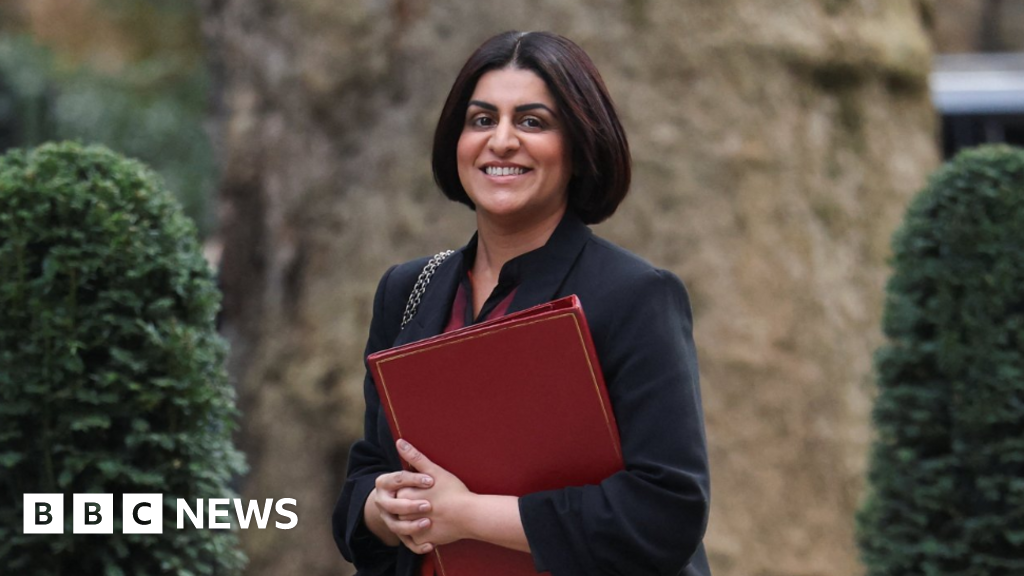
The specific targeting of skilled work visas for Afghans also reflects a broader concern about the sustainability of current immigration pathways. The Home Office explicitly stated that a considerable number of Afghan skilled workers have been observed to claim asylum upon the expiration of their initial visas, thereby creating what is described as an "unsustainable threat" to the UK’s asylum framework. This suggests a pattern where entry routes intended for temporary, skilled contributions are allegedly being utilized as de facto gateways to long-term residency through asylum claims, circumventing standard immigration processes. The Home Secretary, Shabana Mahmood, underscored the gravity of the situation, stating her intention to "restore order and control to our borders" and condemning those "seeking to exploit our generosity."
This policy adjustment does not occur in a vacuum but is intricately linked to the broader political climate within the United Kingdom. It represents a tangible manifestation of the Prime Minister’s commitment to adopting a more "hard-edged approach to diplomacy" in matters of immigration, a strategy largely driven by persistent pressure from the political right, including factions within the governing Conservative Party and the increasingly influential Reform UK party. These political forces have consistently advocated for a significant reduction in net migration figures, viewing current levels as unsustainable and a failure of governmental control. The move to restrict visas aligns with a narrative that prioritizes national sovereignty and the robust enforcement of immigration laws, appealing to a segment of the electorate concerned about perceived laxity at the borders.
The decision also builds upon recent precedents set by the Home Office under Mahmood’s leadership. In a notable instance last November, the Home Secretary issued a direct threat to suspend all UK visas for nationals of Angola, Namibia, and the Democratic Republic of Congo unless their respective governments agreed to facilitate the repatriation of their citizens from the UK. This assertive diplomatic stance proved effective, leading to a resumption of deportation flights with all three countries. This earlier success likely emboldened the government to apply a similar, firm approach to address the perceived abuse of study and work visa routes, demonstrating a consistent strategy of leveraging visa policy as a tool for diplomatic pressure and immigration control. Such actions signal a recalibration of the UK’s international engagement, prioritizing domestic immigration objectives over traditional diplomatic courtesies in certain contexts.
The implications of these sweeping visa restrictions are multifaceted, extending beyond immediate immigration control to touch upon international relations, economic considerations, and the UK’s global standing. On a diplomatic front, the unilateral imposition of such restrictions could strain bilateral relations with Afghanistan, Cameroon, Myanmar, and Sudan. While the UK government cites internal pressures, these nations may perceive the move as discriminatory or an overreaction, potentially leading to diplomatic protests or a reassessment of their own engagement with London. The decision also raises questions about the UK’s reputation as an open and welcoming destination for international students and skilled professionals, particularly from developing countries or regions experiencing conflict. While the government emphasizes its commitment to helping those "genuinely in need," the broad-brush nature of these restrictions could foster an image of selectivity and deterrence.
Economically, the impact on the UK’s higher education sector warrants close examination. International students represent a significant revenue stream for universities, contributing billions to the economy through tuition fees and living expenses. The reduction in student numbers from these four countries, particularly in an era of intense global competition for academic talent, could affect institutional finances and research capacities. While the immediate numerical impact from these four countries alone might be limited compared to larger student source nations, the precedent set by these restrictions could deter prospective students from other regions who might fear similar future policies. The curtailment of skilled work visas for Afghans, though specific, could also impact niche sectors or contribute to a broader perception of the UK as a less accessible market for international talent.
Legally and ethically, the policy navigates complex terrain. While a sovereign nation has the right to control its borders and immigration policies, the distinction between "genuine asylum seekers" and those "exploiting generosity" is often nuanced and subject to legal challenge. The policy aims to pre-empt asylum claims by preventing entry on specific visa types, thereby shifting the burden of proof or restricting the pathway to claim asylum from within the UK for certain nationalities. This approach could face scrutiny from human rights organizations and legal advocacy groups, who may argue that it disproportionately affects individuals from conflict-affected or unstable regions who may indeed have legitimate grounds for seeking protection, irrespective of their initial mode of entry. The UK’s assertion of having resettled the sixth largest number of UNHCR-referred refugees globally serves as a counter-narrative, aiming to demonstrate its continued humanitarian commitment despite the tightened border controls.
Looking ahead, the effectiveness of these measures in significantly reducing overall net migration and curbing asylum claims will be a key metric of their success. However, such policies often carry the risk of unintended consequences. A reduction in legal pathways could inadvertently push more individuals towards irregular migration routes, potentially exacerbating the very challenges the government seeks to address. Furthermore, the political response to these measures will be critical. While the policy caters to right-wing sentiments, opposition parties, such as the Liberal Democrats and potentially some within the Labour Party (though their official comment was sought, their stance is not specified in the source), are likely to voice concerns about the humanitarian implications, the impact on higher education, and the UK’s international reputation.
In conclusion, the Home Secretary’s decision to halt study and certain work visas for nationals from Afghanistan, Cameroon, Myanmar, and Sudan represents a significant escalation in the UK’s efforts to exert greater control over its immigration system. Driven by compelling statistics on asylum claims originating from these visa categories and responding to internal political pressures, the policy underscores a new, assertive stance on border management. While aimed at restoring integrity and sustainability to the asylum framework, its wider ramifications for diplomatic relations, economic sectors, and the UK’s global image will be closely monitored, shaping the ongoing discourse on national sovereignty versus international responsibility in an increasingly interconnected world.




 Aura Kasih
 Safa Marwah
 Ayu Aulia