Ridwan Kamil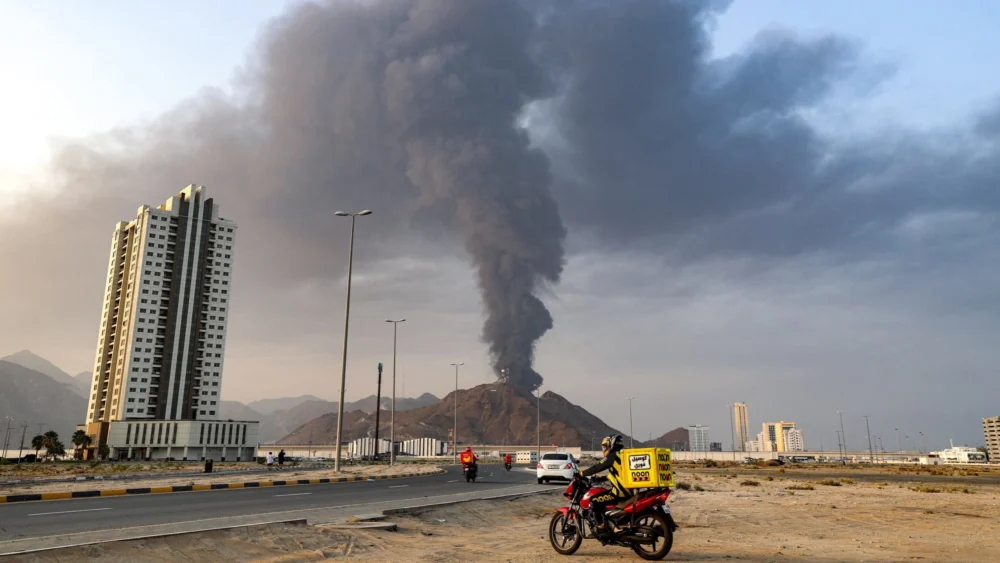
The United Arab Emirates has become the latest focal point of escalating tensions in the Persian Gulf, with debris from a drone attack sparking a significant blaze at a vital oil terminal, signaling a dangerous intensification of Iran’s strategy to disrupt regional energy infrastructure. This incident, occurring amidst a backdrop of heightened geopolitical friction, underscores the growing vulnerability of global energy supply chains to asymmetric warfare tactics and raises serious concerns about regional stability.
The incident, which occurred in the early hours, saw a fire erupt at an oil storage facility in the UAE, a nation that has consistently advocated for de-escalation and diplomatic solutions in the region. While initial reports suggest the blaze was quickly brought under control, the mere fact that such an attack could materialize on Emirati soil, targeting a critical node in the global energy network, is a stark indicator of the evolving threat landscape. The origin of the drone has been attributed to Iran by various sources, a claim that Tehran has yet to formally confirm or deny, a characteristic tactic that often leaves regional adversaries and international observers in a state of deliberate ambiguity.
The choice of target is far from coincidental. The UAE, a prominent player in global oil markets and a key transit point for energy exports, represents a significant economic and strategic asset. Any disruption to its oil infrastructure carries the potential for ripple effects across international markets, impacting prices, supply security, and investor confidence. This aligns with a broader pattern of Iranian actions aimed at leveraging its asymmetric capabilities to exert pressure on adversaries and influence regional dynamics.
A Pattern of Escalation: Iran’s Strategic Calculus
This latest incident is not an isolated event but rather the latest chapter in a protracted and increasingly sophisticated campaign by Iran to weaponize its energy sector. Over the past several years, Tehran has been implicated in a series of maritime incidents, including alleged mine attacks on tankers and drone strikes on oil facilities in Saudi Arabia and Iraq. These actions are widely interpreted as a strategic response to international sanctions, particularly the crippling economic measures imposed by the United States following its withdrawal from the Joint Comprehensive Plan of Action (JCPOA).
From Iran’s perspective, targeting energy infrastructure serves multiple objectives. Firstly, it aims to inflict economic pain on its rivals, particularly Saudi Arabia, with whom it has a long-standing regional rivalry. By disrupting oil production and exports, Iran seeks to undermine the financial resources of its adversaries, thereby limiting their capacity to counter Iranian influence. Secondly, these attacks are designed to demonstrate Iran’s ability to project power and inflict damage, even under severe sanctions. This serves to bolster its deterrent posture and signal its resolve to its regional and international counterparts. Thirdly, by creating uncertainty and volatility in energy markets, Iran can potentially influence global energy prices, which can, in turn, have broader geopolitical implications.
The use of drones in such attacks is a significant development. Drones offer a relatively low-cost, deniable, and versatile platform for projecting force. Their increasing sophistication allows for greater range, payload capacity, and precision, making them a potent tool for asymmetric warfare. Iran has invested heavily in its drone program, developing a diverse array of unmanned aerial vehicles that have been deployed by its proxies across the region, including in Yemen, Syria, and Iraq. The attack on the UAE oil terminal highlights the growing reach and effectiveness of these capabilities.
Regional Ramifications and Global Implications
The implications of this escalating energy warfare are profound, extending far beyond the immediate regional context. The Persian Gulf remains the world’s most critical chokepoint for oil transportation, with a significant percentage of global oil and liquefied natural gas (LNG) passing through its waters. Any sustained disruption to this flow can have immediate and severe consequences for global energy security, leading to price spikes, supply shortages, and economic instability in importing nations.
For the UAE, this incident represents a direct challenge to its security and economic interests. As a nation heavily reliant on its position as a global energy hub and a key trading partner, it has a vested interest in maintaining the stability of the region’s energy flows. The attack forces Abu Dhabi to reassess its security posture and potentially invest further in defensive capabilities, which could strain its resources and alter its strategic calculus.
The broader regional dynamic is also significantly impacted. The attack further deepens the existing fault lines between Iran and its rivals, including Saudi Arabia, the UAE, and Bahrain, all of whom have been critical of Iran’s regional policies. This incident is likely to fuel calls for a more robust collective security response and could lead to increased military deployments and heightened tensions. The potential for miscalculation and unintended escalation remains a significant concern, as a localized incident could rapidly spiral into a wider regional conflict.
On the international stage, the attack intensifies the pressure on global powers to find a diplomatic solution to the Iran-related issues. The United States, which has a significant military presence in the region and strong alliances with many of the Gulf states, is faced with the dilemma of how to respond without triggering a wider conflict. The effectiveness of existing sanctions regimes is also called into question, as Iran continues to demonstrate its capacity to inflict damage despite economic pressure.
Expert Analysis and Future Outlook
Analysts suggest that Iran’s strategy of energy warfare is likely to persist as long as its core strategic objectives remain unfulfilled. This includes securing its own energy interests, projecting regional influence, and mitigating the impact of international sanctions. The increasing sophistication of Iranian drone technology and its willingness to employ it against critical infrastructure suggest a growing confidence in its asymmetric capabilities.
The future outlook for regional energy security hinges on several factors. Firstly, the effectiveness of defensive measures employed by regional states will be crucial in deterring future attacks. This includes enhanced maritime security, improved air defense systems, and intelligence sharing. Secondly, the international community’s ability to de-escalate tensions through diplomatic channels will play a pivotal role. This may involve renewed efforts to revive the JCPOA or explore alternative frameworks for regional security dialogue.
However, the current trajectory suggests a prolonged period of elevated risk. The attack on the UAE oil terminal serves as a potent reminder of the interconnectedness of global energy markets and the fragility of regional stability. As Iran continues to leverage its energy-related capabilities as a tool of foreign policy, the world will be watching closely to see how regional actors and the international community respond to this escalating challenge. The pursuit of comprehensive and sustainable solutions that address the root causes of regional instability, rather than merely reacting to incidents, will be paramount in ensuring long-term energy security and geopolitical equilibrium in the Persian Gulf. The incident underscores the need for a nuanced understanding of Iran’s strategic motivations and the development of a multi-faceted approach that combines deterrence, diplomacy, and de-escalation.


 Aura Kasih
 Safa Marwah
 Ayu Aulia