Safa Marwah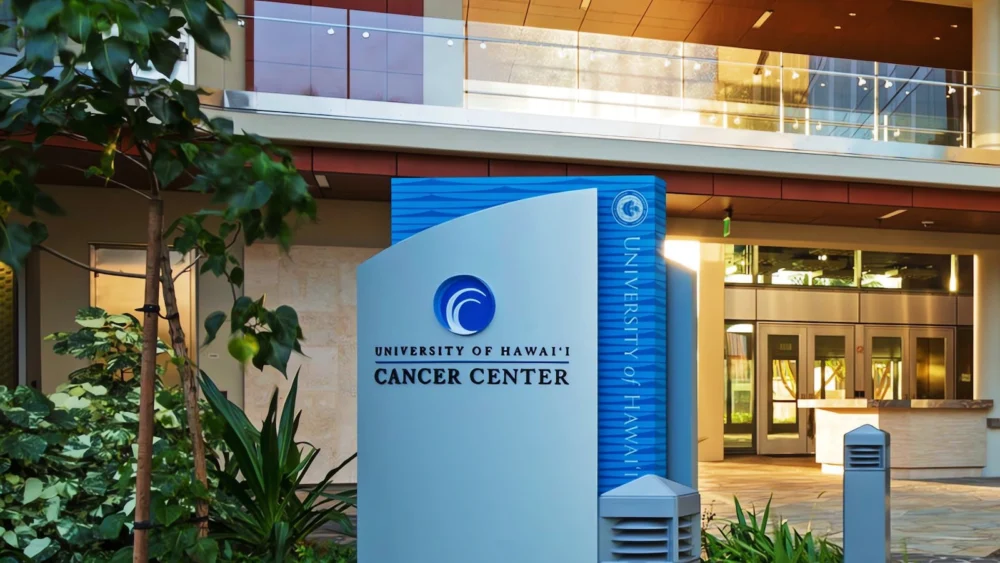
A sophisticated cyberattack orchestrated by a ransomware syndicate against the University of Hawaii Cancer Center’s Epidemiology Division in August 2025 has culminated in the confirmed compromise of sensitive personal data pertaining to approximately 1.2 million individuals. This incident, brought to light through recent notifications, underscores the profound vulnerabilities within research institutions handling extensive datasets, particularly those containing historical and highly personal health and demographic information. The scale of the breach and the nature of the exposed data present significant long-term implications for those affected and raise critical questions regarding data stewardship and cybersecurity resilience in academic research environments.
The University of Hawaii (UH) System, established in 1907, constitutes a comprehensive network of three universities, seven community colleges, and numerous research facilities dispersed across the Hawaiian Islands. Within this extensive academic framework, the UH Cancer Center stands as a pivotal institution, housing over 300 faculty and staff, complemented by an additional 200 affiliate members dedicated to pioneering cancer research. The Epidemiology Division, central to this breach, conducts vital population-level studies aimed at understanding disease patterns and risk factors, necessitating the collection and secure management of vast quantities of highly sensitive participant data.
The initial breach, identified in August of the previous year, involved unauthorized access and data exfiltration by a ransomware group. While the university reported the incident to state legislators in December, detailing that the attack was confined to systems supporting a single research project within the Epidemiology Division and did not affect clinical operations or patient care, the full scope of the compromise has only recently become apparent. On February 23, the UH Cancer Center initiated the formal notification process, dispatching letters to more than 87,000 participants enrolled in its Multiethnic Cohort (MEC) Study between 1993 and 1996. Concurrently, the university commenced the arduous task of informing an additional 900,000 individuals whose contact details, primarily email addresses, were identified within the compromised archives.
Further investigation into the extent of the stolen data revealed a much broader impact. Public statements from the university confirmed that the personal information of approximately 1.15 million individuals was potentially exposed, sourced from historical records including driver’s license data from 2000 and voter registration information from 1998, both containing Social Security Numbers (SSNs). This layered exposure, encompassing both research participants and a larger segment of the general population through public records integrated into research datasets, dramatically expands the potential fallout from the incident.
The breadth of compromised data is particularly concerning. The stolen files encompass a diverse array of highly sensitive personal identifiers. These include names and Social Security Numbers extracted from a State Department of Transportation document (dating back to 2000) and voter registration data (from 1998). Furthermore, the breach exposed SSNs, driver’s license numbers, and extensive health information belonging to participants in the Multiethnic Cohort (MEC) Study, collected between 1993 and 1996. The scope extends to data from three other diet and cancer studies, alongside two additional files from 1999 and the mid-2000s that contained SSNs and names gathered from public health registries for epidemiological research purposes. The sheer volume and historical depth of this information magnify the risks of identity theft and various forms of fraud for the affected individuals.
Beyond data exfiltration, the attackers also encrypted the compromised systems. This action not only inflicted significant operational damage but also severely hampered the university’s ability to conduct its internal investigation and accelerate recovery efforts. The dual impact of data theft and system incapacitation underscores the destructive potential of modern ransomware operations, which increasingly combine extortion with the permanent compromise of sensitive information.
In a contentious decision, the University of Hawaii acknowledged paying the ransomware group. The stated rationale behind this payment was to obtain a decryption key, thereby facilitating system restoration, and to secure a "secure destruction" of the illegally obtained information. This strategy, while offering a potential pathway to recovery, remains a subject of intense debate within cybersecurity circles. The payment of ransoms, while sometimes seen as a pragmatic solution to minimize disruption and protect data, often emboldens threat actors and fuels further malicious activity, without offering a guarantee that the stolen data will not be sold or leaked elsewhere.
The institution’s leadership has expressed profound regret over the incident. Naoto T. Ueno, director of the UH Cancer Center, emphasized the gravity of the situation, stating, "The UH Cancer Center deeply regrets that this incident occurred and that so many individuals have been impacted. We take this matter extremely seriously and are committed to transparency, accountability and strengthening protections for the research data entrusted to us." Such statements, while essential for restoring confidence, highlight the immense challenge of safeguarding vast repositories of sensitive research data against increasingly sophisticated cyber adversaries.
This incident is not an isolated occurrence within the UH System. In July 2023, Hawaiʻi Community College, another entity under the University of Hawaii umbrella, also confirmed paying a ransomware organization to prevent the public dissemination of data stolen from approximately 28,000 individuals. This pattern of successive ransomware attacks and subsequent ransom payments within the same university system raises critical questions about overarching cybersecurity governance, investment, and threat mitigation strategies across its diverse institutions.

Analysis and Implications
The compromise of nearly 1.2 million records at the UH Cancer Center represents a significant breach with multifaceted implications. For the individuals whose data has been exposed, the risks are substantial and long-lasting. The combination of names, Social Security Numbers, driver’s license numbers, and health information creates a fertile ground for sophisticated identity theft, financial fraud, and medical fraud. Unlike simple credit card breaches, which can be mitigated by canceling cards, the exposure of core identity elements like SSNs and driver’s licenses can lead to years of vigilance and potential complications for victims. The historical nature of some of the data, spanning decades, means that some affected individuals may not even be aware their information was part of these research cohorts or public records used for epidemiological studies, complicating notification and protective measures.
For the University of Hawaii Cancer Center and the broader UH System, the ramifications are equally severe. Reputational damage is inevitable, potentially eroding public trust in its research integrity and its capacity to act as a responsible steward of sensitive data. This loss of trust could significantly impact future recruitment for vital research studies, hindering scientific progress and public health initiatives. Financially, the costs associated with this breach will be substantial, encompassing the ransom payment, forensic investigations, system remediation, legal expenses, regulatory fines, and the provision of identity theft protection and credit monitoring services to affected individuals. Operational disruptions from encrypted systems also represent a tangible cost, potentially delaying critical research projects and administrative functions.
The decision to pay the ransom is particularly noteworthy. While motivated by a desire to recover data and prevent its further spread, such payments are a double-edged sword. They provide immediate financial gain to cybercriminal enterprises, effectively funding their continued operations and development of more advanced attack tools. Moreover, there is no absolute guarantee that the threat actors will adhere to their promise of data destruction; stolen information can still be sold on dark web markets regardless of a ransom payment. The repeated incidence of ransomware payments within the UH System suggests a need for a reevaluation of incident response protocols and investment in preventative measures that diminish the likelihood of such scenarios.
This incident also highlights the unique cybersecurity challenges faced by research institutions. Unlike traditional corporate entities, universities often operate decentralized IT environments, manage a vast array of legacy systems, and balance data security with the imperative of open access and collaboration inherent in academic research. Epidemiological research, in particular, often necessitates the collection and long-term storage of highly granular personal and health data, making these datasets prime targets for cybercriminals. The integration of historical public records, while valuable for research, further complicates data management and security, as these records may not have been collected under modern privacy and security frameworks.
Future Outlook and Recommendations
Moving forward, the University of Hawaii Cancer Center and the entire UH System must undertake a comprehensive overhaul of their cybersecurity posture. This involves not only addressing the immediate vulnerabilities exploited in this attack but also implementing a robust, system-wide strategy that anticipates future threats. Key areas of focus should include:
- Enhanced Data Governance and Inventory: A meticulous inventory of all sensitive data, its location, classification, and access controls is paramount. This includes a clear understanding of legacy data holdings and their relevance to ongoing research, enabling informed decisions about retention, archival, or secure deletion.
- Zero Trust Architecture: Implementing a Zero Trust security model, where no user or device is inherently trusted, regardless of their location, can significantly reduce the attack surface. This involves stringent authentication, authorization, and continuous verification for all access requests.
- Advanced Threat Detection and Prevention: Investing in state-of-the-art security technologies, including endpoint detection and response (EDR), Security Information and Event Management (SIEM) systems, and robust intrusion detection/prevention systems, is crucial for early detection and rapid response to evolving threats.
- Regular Security Audits and Penetration Testing: Independent third-party security audits and routine penetration testing can identify weaknesses before they are exploited by malicious actors. This should include assessments of both technical infrastructure and human vulnerabilities.
- Employee Training and Awareness: Human error remains a significant factor in many breaches. Continuous and comprehensive cybersecurity training for all staff, particularly those handling sensitive data, is essential to foster a culture of security awareness and vigilance.
- Incident Response Planning: A well-defined, regularly tested incident response plan is critical for minimizing the impact of future breaches. This plan should cover identification, containment, eradication, recovery, and post-incident analysis, alongside clear communication protocols.
- Data Segregation and Encryption: Isolating highly sensitive research data in segregated environments with stringent access controls and employing robust encryption for data at rest and in transit are fundamental safeguards.
- Vendor Risk Management: As research institutions increasingly rely on third-party vendors for specialized services and data storage, a robust vendor risk management program is necessary to ensure that partners adhere to the highest security standards.
The incident at the UH Cancer Center serves as a stark reminder of the escalating cyber threats facing academic and research institutions globally. As these entities continue to collect and analyze vast quantities of personal and health data for the advancement of science and public good, their responsibility to protect that information becomes ever more critical. The long-term success of vital research initiatives, particularly in sensitive fields like epidemiology, hinges not only on scientific rigor but also on an unshakeable commitment to robust cybersecurity and transparent data stewardship. The path to rebuilding trust and securing these invaluable datasets will be arduous, requiring sustained investment, strategic planning, and an unwavering dedication to safeguarding the privacy of millions.




 Lisa Mariana
 Aura Kasih
 Ayu Aulia