Ridwan Kamil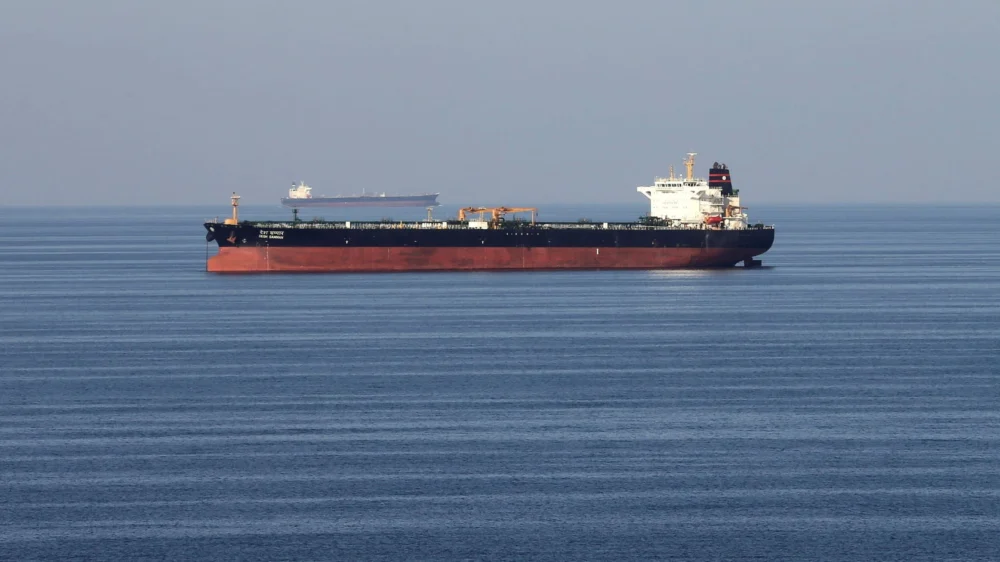
A volatile confluence of escalating international conflict and mounting concerns over energy supply chains has propelled oil and gas prices to dizzying new heights, sending shockwaves through global economies and intensifying inflationary pressures.
The delicate equilibrium of the global energy market has been severely disrupted by a burgeoning geopolitical crisis, triggering a significant upward surge in the price of crude oil and natural gas. This sharp ascent is primarily fueled by anxieties surrounding the potential for widespread supply disruptions, as international tensions escalate and trade routes become increasingly precarious. The immediate impact is a substantial increase in the cost of energy, which cascades through virtually every sector of the global economy, from transportation and manufacturing to agriculture and household expenditure. This inflationary spiral, driven by the fundamental principles of supply and demand under duress, presents a formidable challenge for policymakers worldwide, demanding strategic responses to mitigate economic fallout and ensure energy security.
The Genesis of the Crisis: A Perfect Storm of Geopolitical Friction and Supply Vulnerability
The current energy price surge is not an isolated incident but rather the culmination of several interconnected factors. The intensification of geopolitical friction in key energy-producing regions has cast a long shadow over global supply reliability. Historically, regions like the Middle East have been focal points of geopolitical instability, and any escalation of conflict there invariably impacts the flow of oil. However, the current situation involves a broader spectrum of geopolitical realignments and potential flashpoints, creating a more pervasive sense of uncertainty.
Furthermore, the global energy infrastructure, while robust, is not immune to the ripple effects of sustained conflict. Supply routes, shipping lanes, and critical infrastructure in conflict zones or areas prone to instability become immediate points of concern. The potential for targeted attacks, sanctions, or outright blockades can swiftly remove significant volumes of oil and gas from the market, even if production capacity remains. This creates a psychological premium on available supplies, as buyers rush to secure reserves amidst fears of future scarcity.
The delicate dance of global energy supply is further complicated by the intricate web of international trade agreements, existing contracts, and the logistical challenges of rerouting shipments. When a primary source of supply is threatened, finding immediate alternatives can be a complex and costly undertaking. This necessitates a deep understanding of global refining capacities, pipeline networks, and the availability of alternative energy sources, all of which are subject to their own constraints.
Analyzing the Price Drivers: Beyond Simple Supply and Demand
While the basic economic principles of supply and demand are at play, the current price escalation is amplified by several nuanced factors.
-
Risk Premium: In times of geopolitical uncertainty, markets often price in a significant "risk premium." This reflects the potential for unforeseen events to drastically alter supply. Traders and investors, anticipating future shortages or disruptions, are willing to pay more for immediate delivery or to secure long-term contracts, driving up spot prices and futures contracts. This premium can often exceed the actual shortfall in supply, creating a self-fulfilling prophecy of higher prices.
-
Strategic Reserves and Inventory Management: Governments and major energy companies maintain strategic reserves to buffer against supply shocks. However, the effectiveness of these reserves is contingent on their accessibility and the duration of the disruption. A prolonged conflict or a widespread supply issue can quickly deplete these reserves, further exacerbating price pressures. The market closely monitors inventory levels, and any indication of drawdown can trigger further price increases.
-
Speculative Trading: The energy markets are subject to speculative trading, where financial institutions and investors buy and sell futures contracts based on their expectations of future price movements. During periods of heightened uncertainty, speculative activity can intensify, leading to rapid price swings that may not always be directly correlated with immediate physical supply and demand dynamics. This can create volatility and amplify the upward trend.
-
Sanctions and Trade Restrictions: The imposition of sanctions or trade restrictions on major energy-producing nations can have a profound impact on global supply. Even if a country has significant reserves, its ability to export those resources can be severely curtailed, effectively removing a substantial volume from the international market. The complexity of these restrictions, including secondary sanctions and enforcement mechanisms, adds another layer of uncertainty.
-
Impact on Natural Gas: The surge in oil prices is often mirrored, and sometimes amplified, in the natural gas market. Natural gas is a critical fuel for electricity generation and industrial processes. Disruptions to oil supply can lead to increased demand for natural gas as a substitute, driving up its price. Furthermore, many natural gas supplies are also geopolitically sensitive, and conflicts in these regions can directly impact availability. The intricate relationship between oil and gas prices means that a shock in one market often reverberates through the other.
The Far-Reaching Economic Ramifications
The immediate and most palpable consequence of soaring oil and gas prices is the inflationary pressure it exerts on the global economy.
-
Consumer Spending: Higher energy costs directly impact household budgets. Increased prices at the pump for gasoline and diesel translate to higher transportation costs, affecting everything from commuting to the delivery of goods. The cost of heating homes and powering appliances also rises, particularly during colder months. This reduction in disposable income can lead to decreased consumer spending on other goods and services, potentially slowing economic growth.
-
Business Costs and Profitability: For businesses, the impact is multifaceted. Increased energy expenditures raise operational costs, from manufacturing processes to logistics and transportation. This can erode profit margins, forcing companies to either absorb the costs, which reduces profitability, or pass them on to consumers in the form of higher prices for their products and services. Small and medium-sized enterprises (SMEs) are often particularly vulnerable to such cost shocks.
-
Supply Chain Disruptions: The energy price surge exacerbates existing supply chain vulnerabilities. Higher shipping costs make the global movement of goods more expensive, potentially leading to delays and further price increases. Industries that rely heavily on energy-intensive transportation, such as agriculture and manufacturing, face significant challenges in maintaining cost-effective operations.
-
Impact on Developing Economies: Developing economies are often disproportionately affected by rising energy prices. Many of these nations are net importers of energy and have less fiscal capacity to absorb the shock. Higher energy costs can lead to increased debt burdens, hinder economic development, and exacerbate poverty. Furthermore, the reliance on imported energy can make these economies more susceptible to external shocks.
-
Monetary Policy Challenges: Central banks face a complex dilemma. Rising inflation driven by energy prices can necessitate tighter monetary policy, such as raising interest rates, to curb price growth. However, aggressive interest rate hikes can also slow economic growth, potentially leading to a recession. Policymakers must carefully balance the need to control inflation with the imperative to maintain economic stability.
Expert Analysis and Future Outlook: Navigating an Uncertain Landscape
Industry analysts and economists are closely scrutinizing the evolving situation, offering insights into potential future trajectories.
-
Sustained Volatility: The consensus among many experts is that the energy markets are likely to remain volatile in the near to medium term. The resolution of geopolitical conflicts is inherently unpredictable, and any lingering uncertainty will continue to fuel price premiums. The time required to bring new production online or to re-establish disrupted supply chains is also a significant factor.
-
Shift Towards Energy Diversification: The current crisis is likely to accelerate the global push towards energy diversification and the transition to renewable energy sources. Governments and corporations may be compelled to increase investment in solar, wind, geothermal, and other sustainable energy technologies to reduce their reliance on volatile fossil fuel markets. This could lead to a more rapid decarbonization of the global economy, albeit driven by necessity rather than solely by environmental concerns.
-
Strategic Stockpiling and Reserve Management: In response to the current vulnerabilities, there may be an increased emphasis on strategic energy stockpiling and more robust reserve management policies. Nations may seek to diversify their energy import sources and forge stronger alliances to ensure supply security.
-
Potential for Demand Destruction: Sustained high prices can lead to "demand destruction," where consumers and businesses fundamentally alter their energy consumption patterns. This can involve investing in energy-efficient technologies, reducing travel, or shifting to alternative modes of transportation. While this can be beneficial in the long term for sustainability, it can also lead to short-term economic contractions.
-
The Role of International Cooperation: Addressing the current energy crisis effectively will require significant international cooperation. Coordinated efforts to de-escalate geopolitical tensions, ensure the free flow of energy supplies, and support vulnerable economies will be crucial. The effectiveness of international bodies and diplomatic initiatives in navigating this complex landscape will be a key determinant of the global economic outcome.
Conclusion: A Call for Strategic Resilience
The current surge in oil and gas prices represents a stark reminder of the interconnectedness of global geopolitics and energy security. The escalating conflict has underscored the fragility of existing supply chains and the profound economic consequences of energy price volatility. Navigating this challenging period will demand astute policy decisions, strategic investments in energy diversification, and a renewed commitment to international cooperation. The ability of nations and industries to build resilience in their energy systems will be paramount in mitigating the immediate impacts and shaping a more stable and sustainable energy future. The current crisis, while painful, may ultimately serve as a catalyst for transformative change in how the world produces, consumes, and secures its energy.



 Aura Kasih
 Safa Marwah
 Ayu Aulia