Aura Kasih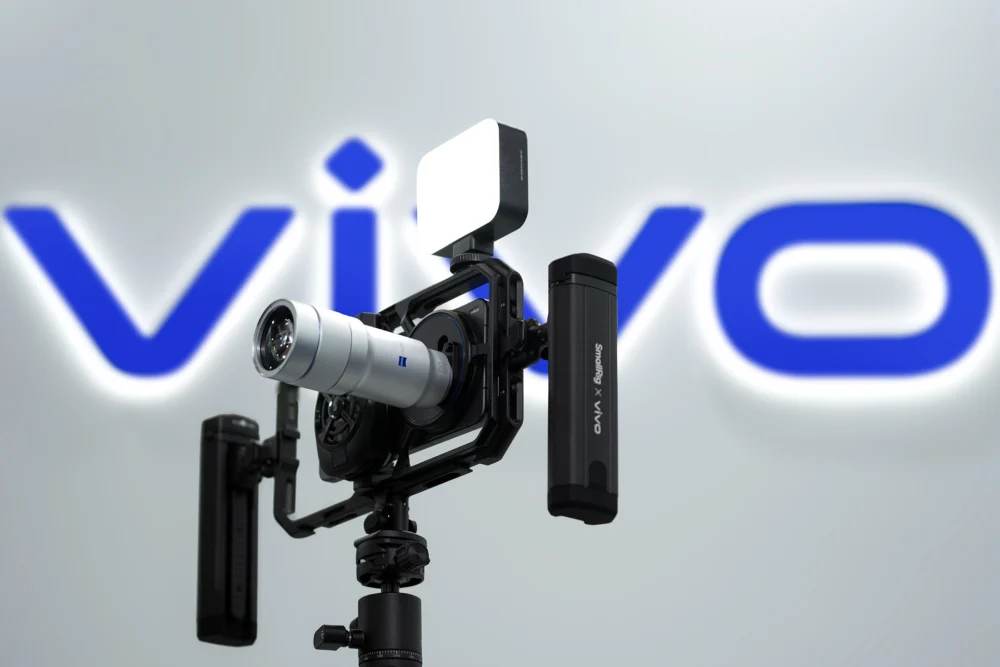
Vivo has decisively entered the premium mobile imaging arena, unveiling its forthcoming flagship smartphone, the X300 Ultra, at Mobile World Congress (MWC) with an unprecedented focus on professional-grade camera hardware and content creation tools. This strategic move marks a significant departure from the company’s typical MWC presence and signals a bold ambition to redefine the capabilities of smartphone photography and videography for a global audience. While official specifications remain under wraps, the X300 Ultra is poised to be the first of its "Ultra" series to receive a broad international release, moving beyond its traditional stronghold in the Chinese market.
The cornerstone of Vivo’s announcement is the confirmation of a 200-megapixel telephoto camera integrated into the X300 Ultra. This specification, while echoing last year’s X200 Ultra, suggests a refined and potentially enhanced implementation, building upon a platform that garnered significant acclaim for its photographic prowess. The company’s commitment to pushing the boundaries of mobile zoom technology is further underscored by the introduction of the Telephoto Extender Gen2 Ultra, an optional accessory that attaches directly to the rear of the device. This innovative lens represents a substantial leap forward, doubling the equivalent focal length from 200mm to an impressive 400mm, a feat achieved through a deepened collaboration with renowned optics manufacturer Zeiss. The development of such specialized extenders highlights a growing trend in the smartphone industry, where manufacturers are increasingly looking to external hardware to augment native camera capabilities, transforming smartphones into more versatile imaging tools.

The Telephoto Extender Gen2 Ultra appears to be a more substantial and robust unit compared to its predecessor, indicating a focus on enhanced optical quality and durability. Its larger form factor suggests advanced lens elements and potentially improved light-gathering capabilities, crucial for achieving sharper images at extreme zoom ranges. Alongside this advanced telephoto solution, Vivo is also introducing a redesigned camera grip case. This accessory, which appears to incorporate additional physical controls, hints at a more intuitive and responsive user experience for photographers. The notable absence of a dedicated shutter button cut-out on the case, compared to previous models, suggests that these tactile controls may have been integrated directly into the grip itself, further streamlining the shooting process. This strategic design choice implies a move towards a more integrated and ergonomic shooting experience, aiming to replicate the feel and functionality of dedicated camera equipment.
The X300 Ultra’s commitment to professional content creation extends beyond optics with the introduction of a "pro-grade" camera cage, developed in partnership with SmallRig, a leading manufacturer of camera accessories. This collaboration signifies Vivo’s intent to cater to the needs of serious content creators by providing a modular and expandable platform. The cage is designed to offer an array of mounting points, including cold shoe mounts and quick-release ports, facilitating the attachment of external microphones, lights, and other essential filmmaking accessories. Furthermore, the inclusion of physical shutter and zoom controls, along with an integrated cooling fan, directly addresses the demands of prolonged video recording sessions, mitigating performance throttling and ensuring sustained operational efficiency. This comprehensive ecosystem of accessories positions the X300 Ultra not merely as a smartphone with an exceptional camera, but as a portable production studio capable of delivering professional-quality results.
The strategic decision to make the X300 Ultra available in global markets represents a significant shift in Vivo’s international strategy. Historically, the company’s "Ultra" series has been primarily targeted at the Chinese market, limiting its reach to a dedicated enthusiast base. By announcing a worldwide release, Vivo aims to capture a larger share of the premium smartphone segment and challenge established players in regions where its presence has been more limited. While the specifics of the global rollout, including potential market exclusions, are yet to be fully detailed, the commitment to broader availability signals a strong confidence in the product’s appeal and its potential to compete on an international stage. The company’s growing investment in research and development, particularly in the imaging domain, is clearly paying dividends, enabling it to produce devices that can stand toe-to-toe with the best in the industry.

The implications of Vivo’s approach are far-reaching for the mobile photography landscape. By integrating advanced optical solutions and professional-grade accessories, Vivo is not only enhancing the capabilities of its own devices but also contributing to the broader evolution of smartphone photography. The trend of modularity and external accessories is likely to accelerate, as other manufacturers recognize the demand for more specialized and adaptable imaging tools. This could lead to a future where smartphones become even more interchangeable with dedicated cameras, blurring the lines between consumer electronics and professional equipment. The emphasis on content creation also reflects a growing market segment of users who rely on their smartphones for professional work, demanding not just high-quality stills but also robust video recording and editing capabilities.
The X300 Ultra, with its ambitious camera system and comprehensive accessory ecosystem, is poised to be a significant contender in the premium smartphone market. The 200-megapixel telephoto sensor, coupled with the advanced 400mm Telephoto Extender Gen2 Ultra and the SmallRig collaboration, suggests a product engineered for photographers and videographers who demand versatility and uncompromising image quality. The company’s willingness to invest in such specialized hardware and forge strategic partnerships underscores its commitment to innovation and its understanding of the evolving needs of its target audience. As the release date approaches, the industry will be keenly watching to see how the X300 Ultra performs in real-world conditions and whether it can truly deliver on its promise of professional-grade mobile imaging for a global market.
The continued refinement of mobile camera technology by companies like Vivo is rapidly democratizing high-quality imaging. What was once achievable only with bulky, expensive professional camera setups is increasingly becoming accessible through a single handheld device. This trend has profound implications for various creative industries, empowering independent creators, journalists, and small businesses to produce compelling visual content without significant upfront investment in traditional photography gear. The X300 Ultra’s focus on a complete content creation package, from advanced optics to physical controls and cooling solutions, suggests a strategic understanding of the entire workflow, from capture to extended use. This holistic approach sets a new benchmark for what users can expect from a flagship smartphone in terms of imaging capabilities.

The partnership with Zeiss, a company with a storied history in optical excellence, lends significant credibility to Vivo’s imaging ambitions. The co-engineering of the Telephoto Extender Gen2 Ultra indicates a deep integration of optical expertise, aiming to deliver superior clarity, sharpness, and color rendition even at extreme focal lengths. This level of collaboration is a testament to Vivo’s dedication to achieving top-tier photographic performance, moving beyond mere megapixel counts to focus on the fundamental quality of the image. The continued evolution of such telephoto solutions also hints at the potential for even more advanced optical configurations in future smartphone iterations, possibly incorporating variable aperture technologies or even periscope lens systems with further extended zoom ranges.
The integration of a dedicated cooling fan within the camera cage is a particularly insightful addition, addressing a critical pain point for professional videographers and those engaged in prolonged shooting sessions. Overheating can lead to performance degradation, image quality compromises, and even device shutdowns, hindering productivity and frustrating users. By proactively incorporating an active cooling system, Vivo demonstrates a keen awareness of the practical challenges faced by its target demographic. This feature, combined with the physical controls and mounting options, positions the X300 Ultra as a device that is not only capable of capturing high-quality footage but also of sustaining performance under demanding conditions, making it a more reliable tool for professional applications.
The global rollout of the X300 Ultra, if executed effectively, could significantly alter the competitive dynamics within the premium smartphone market. While brands like Apple and Samsung have long dominated this space, Vivo’s aggressive push into specialized imaging hardware presents a compelling alternative for consumers prioritizing camera performance. The success of this strategy will hinge on several factors, including competitive pricing, effective marketing that highlights the unique benefits of the X300 Ultra’s imaging ecosystem, and robust distribution networks. The company’s past efforts to expand its global footprint have met with varying degrees of success, but the current product offering appears to be its most ambitious yet in challenging the established order. The industry will be closely observing the market reception and adoption rates as this new wave of professional-grade mobile imaging tools becomes available to a wider audience.




 Lisa Mariana
 Safa Marwah
 Ayu Aulia