Ridwan Kamil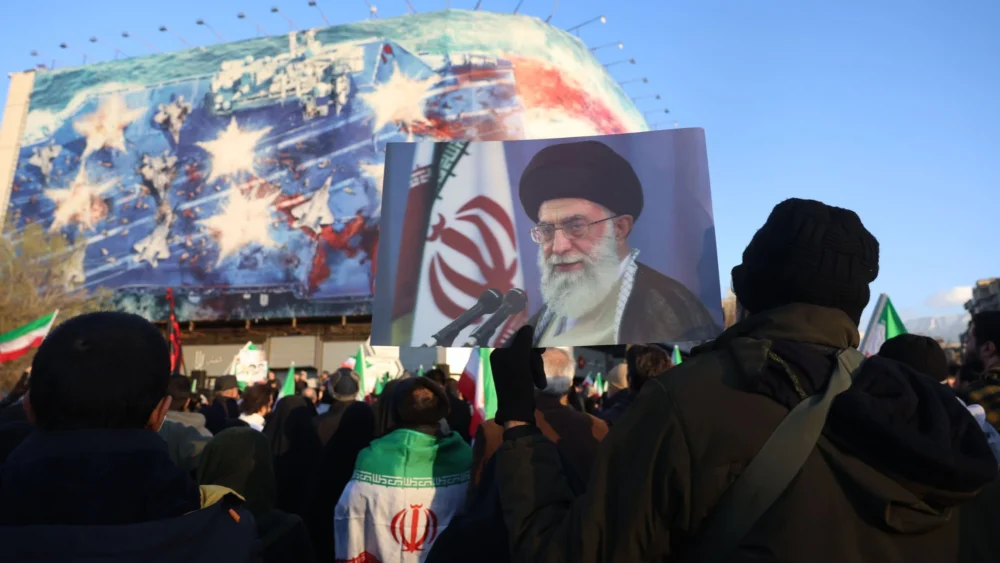
The former U.S. president’s assertive approach to Middle Eastern diplomacy represented a profound strategic gamble, characterized by a dramatic reorientation of long-standing alliances and a provocative challenge to established regional orders, with implications that continue to ripple across the geopolitical landscape.
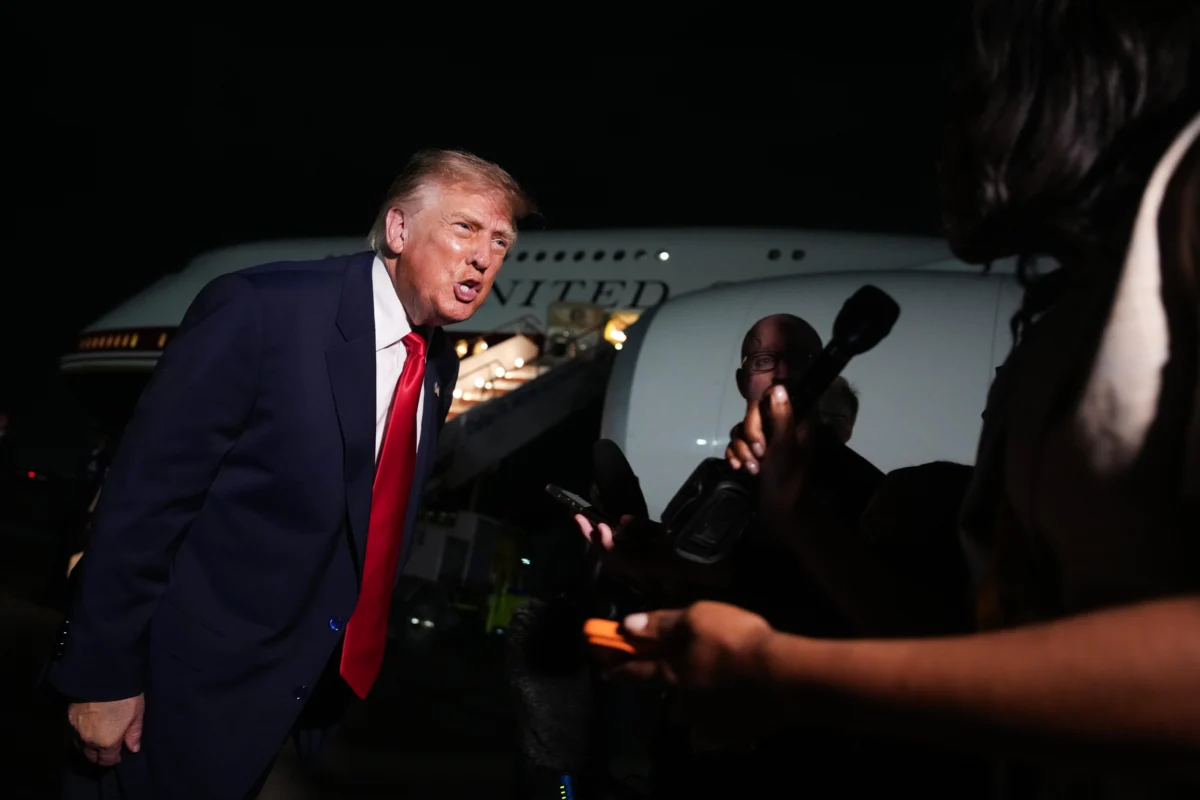
Donald Trump’s presidency marked a period of seismic shifts in American foreign policy, nowhere more pronounced than in the complex and volatile arena of the Middle East. His administration embarked on a series of audacious initiatives, deviating sharply from decades of established diplomatic norms and signaling a willingness to embrace unconventional strategies in pursuit of perceived American interests. This departure was not merely a recalibration of existing policies but a fundamental re-evaluation of the region’s strategic architecture, often characterized by a transactional, deal-oriented approach that prioritized bilateral agreements and challenged multilateral frameworks. The core of this strategy revolved around several key pillars: a robust stance against Iran, a concerted effort to foster normalization between Israel and Arab nations, and a redefinition of America’s role in regional security.
The overarching objective, as articulated by the Trump administration, was to forge a new regional equilibrium, one that would diminish Iranian influence, enhance Israel’s security, and ultimately reduce the burden on American military and financial resources. This vision was predicated on the belief that a more direct and decisive American engagement, unburdened by the perceived complexities of traditional diplomacy, could unlock new avenues for peace and stability. The administration’s willingness to break with established diplomatic protocols and to engage directly with a range of regional actors, bypassing traditional intermediaries, underscored the audacious nature of this gamble.
A cornerstone of Trump’s Middle East policy was the unwavering confrontation with Iran. The decision to withdraw the United States from the Joint Comprehensive Plan of Action (JCPOA), the multilateral nuclear agreement with Iran, and to reimpose stringent sanctions was a defining moment. This move signaled a decisive shift away from diplomacy and towards a strategy of "maximum pressure," aimed at crippling Iran’s economy and curtailing its regional activities, particularly its support for proxy groups. The administration viewed Iran as the primary destabilizing force in the region, responsible for fueling sectarian conflicts, supporting terrorism, and posing an existential threat to regional allies like Saudi Arabia and Israel. The JCPOA, in their assessment, had provided Iran with a lifeline, allowing it to continue its malign activities while pursuing nuclear ambitions. By dismantling the deal and imposing a comprehensive sanctions regime, Trump sought to isolate Iran, deny it resources, and force it to fundamentally alter its behavior. This strategy was a high-stakes bet, predicated on the assumption that economic pressure alone could compel Iran to return to the negotiating table on terms far more favorable to the U.S. and its allies, or alternatively, lead to internal dissent that would destabilize the regime.
Simultaneously, Trump’s administration pursued a remarkable diplomatic breakthrough: the Abraham Accords. This series of normalization agreements between Israel and several Arab nations, including the United Arab Emirates, Bahrain, Sudan, and Morocco, represented a significant departure from the long-standing Arab consensus that refused to normalize ties with Israel without a resolution to the Israeli-Palestinian conflict. The Accords were facilitated by a combination of incentives, including U.S. arms sales, diplomatic recognition, and economic cooperation. For the participating Arab nations, the normalization offered strategic benefits, including enhanced security cooperation against Iran and access to Israeli technology and expertise. For Israel, it represented a historic diplomatic triumph, breaking its regional isolation and fostering new alliances. The Trump administration framed these Accords as a testament to its ability to broker transformative peace deals, arguing that they bypassed the stalled Israeli-Palestinian peace process and created a new paradigm for regional cooperation. This was a gamble that paid off in terms of concrete diplomatic achievements, but it also shifted the focus away from the Palestinian issue, raising concerns about its long-term implications for regional stability and a comprehensive peace settlement.
The redefinition of America’s role in regional security was another critical element of Trump’s strategy. He consistently expressed frustration with what he perceived as the disproportionate burden placed on the United States to maintain regional stability, often questioning the value of long-standing security commitments to allies. This led to a more transactional approach, where security assistance and military presence were often linked to perceived reciprocation from regional partners, particularly in terms of financial contributions and strategic alignment. This shift signaled a potential drawdown of American military assets and a greater reliance on regional powers to assume greater responsibility for their own defense. The administration also sought to build a more cohesive regional security architecture, often referred to as an "Arab NATO," aimed at countering Iran and other shared threats. However, the inherent rivalries and differing strategic priorities among regional actors made the realization of such a unified front a formidable challenge. This recalibration represented a gamble that regional powers could effectively fill the void left by a potentially reduced American footprint, while also encouraging greater self-reliance and shared responsibility.
The implications of Trump’s Middle East gambit were multifaceted and continue to unfold. The confrontation with Iran, while imposing significant economic hardship, did not fundamentally alter the regime’s strategic calculus, and its regional influence persisted through proxy networks. The Abraham Accords undeniably reshaped diplomatic alignments, creating new economic and security partnerships, but they also sidelined the Palestinian question, leaving a persistent source of regional tension unresolved. The shift in America’s security posture generated uncertainty among traditional allies, prompting some to seek alternative security arrangements and others to bolster their own defense capabilities. The transactional nature of the diplomacy, while yielding immediate results in some instances, raised questions about the sustainability of these agreements in the long term, particularly in the absence of a broader commitment to regional peace and stability.
The legacy of Trump’s Middle Eastern policies is a complex tapestry of bold initiatives and significant risks. The administration’s willingness to challenge the status quo and pursue unconventional diplomatic avenues undeniably led to notable shifts in regional alignments. The Abraham Accords stand as a tangible testament to this, altering the diplomatic landscape in a manner previously considered improbable. However, the efficacy and long-term consequences of these actions remain subjects of ongoing analysis and debate. The confrontational approach towards Iran, while aligning with the objectives of certain regional powers, did not lead to a fundamental de-escalation of tensions, and in some instances, may have inadvertently solidified the regime’s resolve. Furthermore, the administration’s departure from traditional diplomatic frameworks and its emphasis on bilateral deals, while achieving specific objectives, also raised concerns about the erosion of multilateralism and the potential for increased instability in the absence of robust regional dialogue and conflict resolution mechanisms. The long-term ramifications of these policies will continue to be assessed as the region navigates its evolving geopolitical realities, with the strategic gamble initiated during Trump’s tenure casting a long shadow over its future trajectory. The ultimate success or failure of this audacious strategy will be measured not just by the immediate outcomes, but by its lasting impact on regional security, stability, and the prospects for lasting peace.


 Aura Kasih
 Safa Marwah
 Ayu Aulia