Lisa Mariana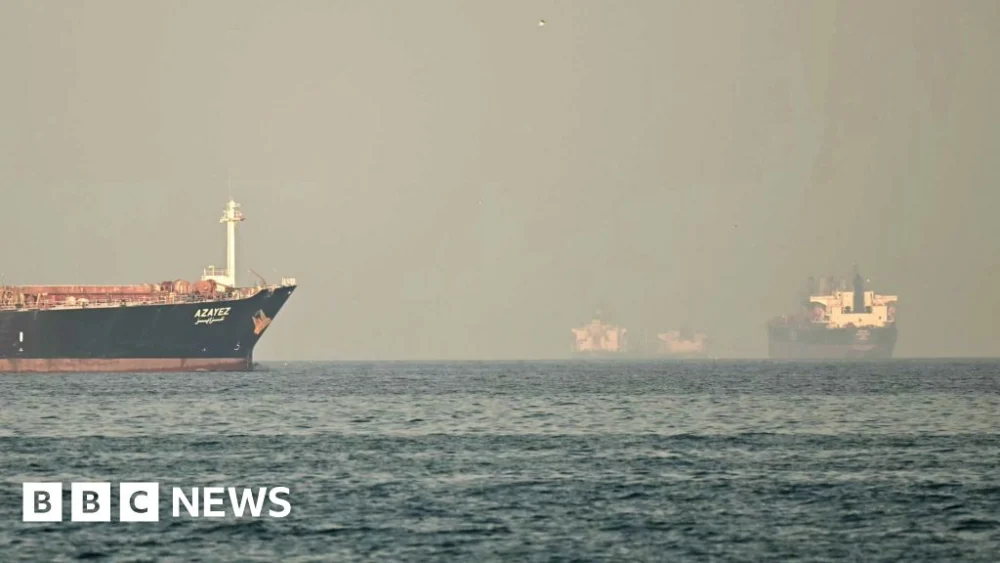
A perilous new chapter in regional instability has unfolded with reports of at least two commercial vessels sustaining damage from unidentified projectiles in the vicinity of the Strait of Hormuz, a critical global maritime choke point, amidst a significant intensification of hostilities between Iran, the United States, and Israel. These maritime incidents, occurring concurrently with a broader wave of Iranian retaliatory strikes across the Middle East, have immediately paralyzed international shipping operations in the region and ignited profound anxieties regarding the stability of global energy supplies, sending early indicators of sharp increases in crude oil prices.
The reports detail two distinct but simultaneous incidents affecting commercial shipping traffic. One vessel reportedly suffered a strike while navigating waters positioned to the east of the vital trade artery, while a separate maritime incident saw another ship impacted off the coast of the United Arab Emirates. Despite the damage sustained, the latter vessel indicated intentions to proceed with its voyage, as confirmed by the United Kingdom Maritime Trade Operations (UKMTO), an information conduit for mariners in the region. These developments follow explicit warnings issued by Iranian authorities, advising all maritime traffic to avoid passage through the Strait of Hormuz, a waterway through which an estimated one-fifth of the world’s total oil and liquefied natural gas (LNG) traverses daily.
The immediate aftermath of these attacks has been a dramatic cessation of international shipping activities at the entrance to the Strait. Data from ship-tracking platforms reveals that dozens of vessels, including over 150 tankers, have opted to drop anchor in the open waters of the Gulf, deliberately remaining outside the perceived danger zone of the Strait. This precautionary measure, adopted by a vast majority of the maritime community, underscores the profound security concerns, even as a limited number of Iranian and Chinese-flagged vessels were observed to continue their transit. This effective halt in operations is not merely a logistical inconvenience; it is a direct reflection of the escalating risk profile, which has, in turn, led to an exponential surge in insurance premiums for any vessel contemplating passage.
The geopolitical backdrop to these maritime incidents is one of rapidly escalating conflict. The recent surge in hostilities was directly triggered by a series of US-Israeli joint military operations, culminating in a strike that resulted in the death of Iran’s Supreme Leader, Ayatollah Ali Khamenei. This unprecedented event on Saturday provoked an immediate and forceful response from Tehran, initiating a cascade of retaliatory aerial assaults targeting several nations across the Middle East. Reports confirm strikes impacting strategic locations in Dubai, the capital of Qatar, Doha, as well as sites in Bahrain and Kuwait, illustrating the broad geographical scope of the renewed conflict. The demise of such a central figure in Iran’s political and religious hierarchy has undeniably raised the stakes, transforming an already volatile regional dynamic into an acute crisis with potentially global ramifications.
The economic repercussions of these events have been swift and stark. While traditional financial markets were not yet fully operational at the time of the incidents, preliminary over-the-counter (OTC) trading among private entities offered a clear snapshot of market sentiment. Brent crude, the internationally recognized benchmark for oil prices, witnessed an immediate surge of approximately 10%, pushing its value to around $80 per barrel. Energy market analysts are now issuing grim warnings, suggesting that a protracted conflict or an extended closure of the Strait of Hormuz could easily propel crude oil prices beyond the $100 per barrel threshold. This "fear premium" reflects not just current supply disruptions, but the profound uncertainty surrounding future access to a significant portion of global energy flows.
The UKMTO, while confirming the attacks, refrained from disclosing the identities of the targeted vessels. However, information from unnamed maritime security sources, disseminated via news agencies, indicated that a Marshall Islands-flagged oil tanker sustained damage off the coast of Oman. In a contrasting and unverified claim, Iranian state television reported that an oil tanker was in the process of sinking after being struck while allegedly attempting to "illegally" traverse the Strait of Hormuz. The lack of independent corroboration for the Iranian narrative adds another layer of complexity and potential disinformation to an already opaque and rapidly evolving situation.
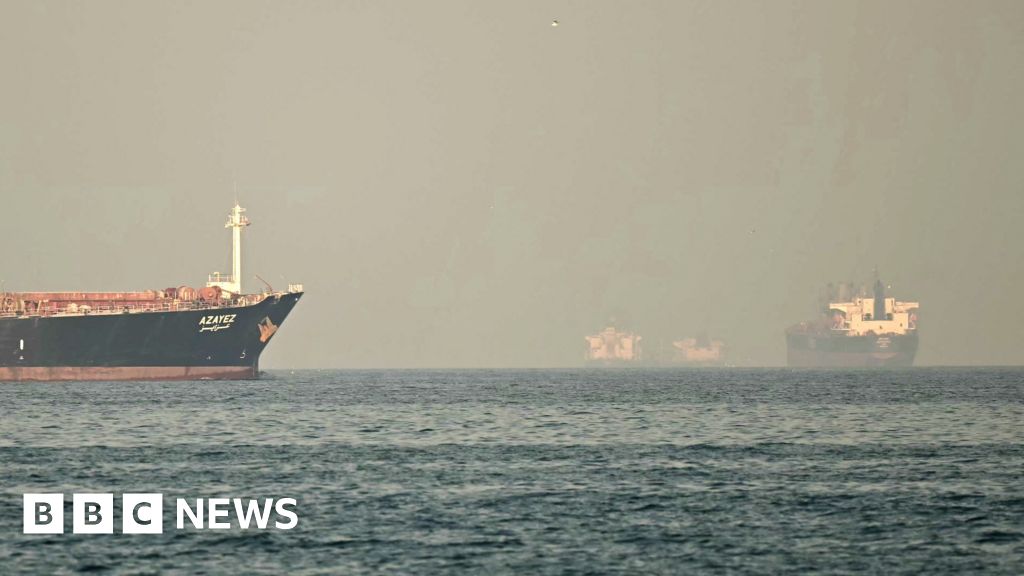
The Strait of Hormuz, linking the Persian Gulf with the Gulf of Oman and the Arabian Sea, is arguably the world’s most critical oil transit choke point. At its narrowest, the strait is only 21 nautical miles wide, with the shipping lane itself a mere two miles wide in either direction, separated by a two-mile buffer zone. This geographical constraint makes it inherently vulnerable to disruption, a fact that both regional and international powers have long acknowledged. Any significant impediment to passage through this strait has immediate and profound implications for global energy security, impacting everything from fuel prices at the pump to the operational costs for industries reliant on stable energy supplies.
Homayoun Falakshahi, a senior analyst from Kpler, a leading provider of commodity intelligence, articulated the gravity of the situation, stating that "because of Iran’s threats, the strait is effectively closed." He elaborated that the decision by numerous vessels to anchor and await developments is a "precautionary measure" taken due to "risks that are too high" and "sky-rocketing" insurance costs. This situation creates a severe bottleneck, disrupting intricate global supply chains far beyond crude oil, affecting liquefied natural gas (LNG), refined petroleum products, and other crucial commodities.
The strategic imperative to safeguard freedom of navigation through the Strait of Hormuz falls largely upon international naval forces, with the United States Navy’s Fifth Fleet playing a prominent role in patrolling these waters. Falakshahi noted that while the US would likely endeavor to protect the strait, the effectiveness of such efforts would be pivotal in preventing an uncontrolled oil price spiral. However, he cautioned that a prolonged closure or significant disruption would inevitably lead to "much, much higher" prices, highlighting the precarious balance between military deterrence and the potential for an uncontainable economic fallout.
In response to the escalating crisis and the immediate upward pressure on oil prices, the Opec+ group of oil-producing nations, which includes major players like Saudi Arabia and Russia, convened and agreed to a marginal increase in their collective output. The group announced a decision to boost production by 206,000 barrels per day. However, many industry experts remain skeptical about the efficacy of this relatively modest increase in mitigating the potential impact of a severe disruption to the Strait of Hormuz. Such an incremental adjustment may prove insufficient to offset a significant supply shock from the region, especially given global demand trends and the limited amount of genuine spare capacity held by key producers.
Edmund King, the president of the Automobile Association, a prominent motoring organization, issued a stark warning regarding the potential for widespread consumer impact. He predicted that the "turmoil and bombing across the Middle East will surely be a catalyst to disrupt oil distribution globally, which will inevitably lead to price hikes." King further emphasized that the "magnitude and duration of pump price increases depends on how long the conflict goes on." This perspective underscores that the immediate economic consequences, while concerning, could be dwarfed by the long-term effects should the regional conflict persist or intensify, creating a sustained period of uncertainty and higher operating costs across various sectors of the global economy.
The current situation therefore represents a complex interplay of geopolitical aggression, strategic vulnerabilities, and profound economic consequences. The attacks on commercial shipping near the Strait of Hormuz serve as a stark reminder of the fragile nature of global supply lines and the interconnectedness of international security and economic stability. As regional powers engage in a dangerous cycle of escalation, the world watches with bated breath, keenly aware that events in this critical maritime corridor have the potential to ripple outwards, affecting energy prices, inflation, and economic growth across continents. The coming days will be crucial in determining whether de-escalation can prevail or if the world is on the cusp of a more severe and prolonged energy crisis.



 Aura Kasih
 Safa Marwah
 Ayu Aulia