Ridwan Kamil
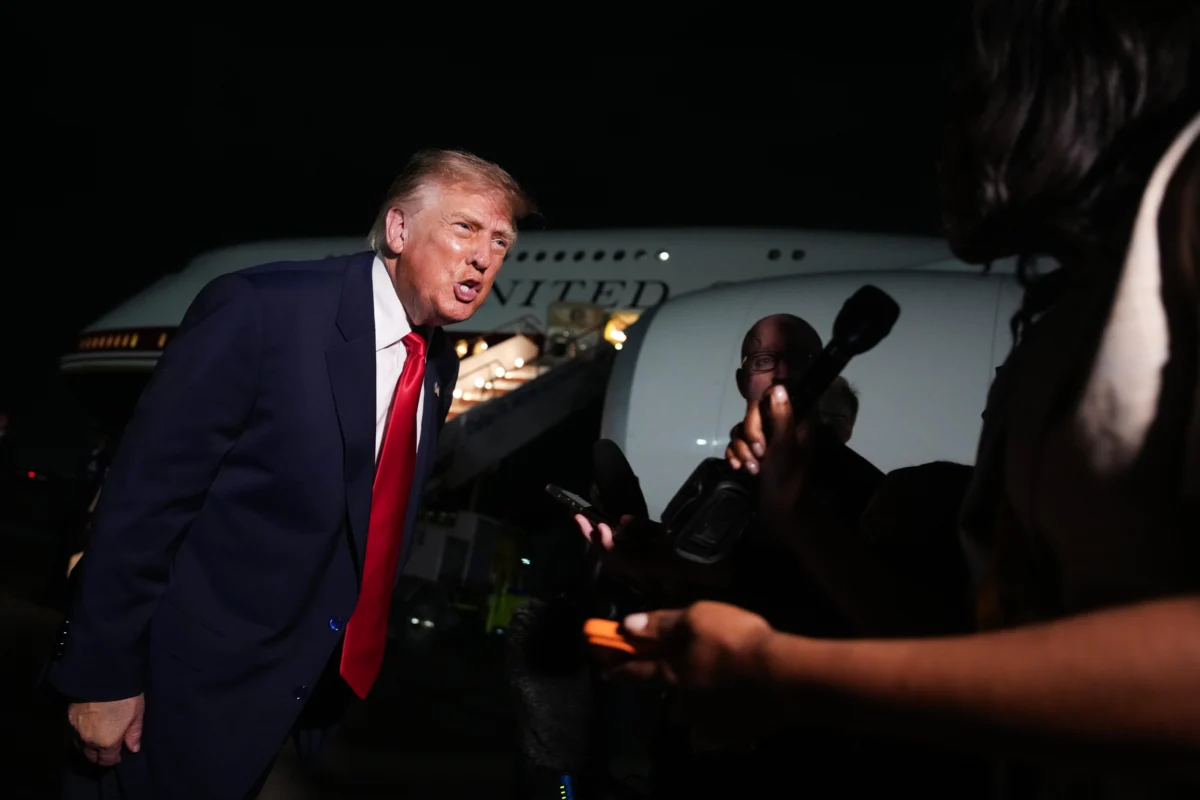
Former President Donald Trump’s pronouncements regarding American involvement in the Middle East, particularly his emphasis on an "America First" approach and a desire to extricate the United States from protracted conflicts, stand in stark contrast to the complex and often tumultuous history of US interventions in the region. This historical backdrop, marked by a series of significant military engagements, diplomatic initiatives, and unforeseen consequences, provides a crucial lens through which to analyze Trump’s current posture and its potential implications for regional stability and American foreign policy.
The narrative of US engagement in the Middle East is a multifaceted tapestry woven with threads of strategic interests, ideological pursuits, and evolving geopolitical realities. From the early 20th century, as global powers vied for influence and control over vital oil reserves, the United States gradually asserted its presence. The post-World War II era witnessed a more pronounced and sustained involvement, driven by a desire to contain Soviet influence during the Cold War and, subsequently, to ensure the unfettered flow of oil to global markets. This period saw the establishment of key alliances, significant military aid packages, and a growing security commitment to various nations in the region.
However, the path of American intervention has been far from smooth, punctuated by a series of pivotal moments that have shaped both regional dynamics and domestic discourse within the United States. The Iranian Revolution of 1979, the protracted Iran-Iraq War, and the subsequent Iraqi invasion of Kuwait in 1990 marked significant escalations in regional instability and necessitated direct US military responses. The First Gulf War, launched in 1991, demonstrated a clear projection of American power and a willingness to uphold international norms, but it also sowed seeds of future resentment and complex power vacuums.
The early 21st century ushered in an era of unprecedented interventionism, largely precipitated by the September 11, 2001, terrorist attacks. The subsequent "War on Terror" led to prolonged military campaigns in Afghanistan and Iraq. The invasion of Iraq in 2003, in particular, remains a deeply controversial chapter, characterized by its stated justifications, the absence of weapons of mass destruction, and the profound destabilization that followed, contributing to the rise of sectarian violence and the emergence of new extremist groups. The ensuing years saw continued American military presence, counter-terrorism operations, and a complex web of diplomatic efforts aimed at fostering stability and containing emergent threats.
These interventions, while often framed as necessary for national security or the promotion of democracy, have frequently yielded unintended consequences. The toppling of regimes, while sometimes achieving immediate objectives, often created power vacuums that were filled by new and often more dangerous actors. The entanglement in complex internal conflicts, coupled with the immense financial and human cost, led to growing skepticism within the United States about the efficacy and wisdom of prolonged military commitments abroad. This sentiment of fatigue and disillusionment with interventionism has become a significant undercurrent in American foreign policy debates.
It is within this historical context that Donald Trump’s approach to the Middle East gains particular relevance. His rhetoric has consistently emphasized a withdrawal from what he terms "endless wars" and a redirection of resources and attention towards domestic priorities. This stance resonates with a segment of the American populace that views foreign entanglements as a drain on national prosperity and security. Trump’s "America First" doctrine suggests a transactional and pragmatic approach, prioritizing direct national interests over broader ideological commitments or the promotion of democratic ideals in other nations.
However, a wholesale withdrawal or a radical reduction in American engagement carries its own set of significant risks and potential ramifications. The Middle East is a region of immense strategic importance, not only for its energy resources but also for its complex geopolitical landscape, characterized by the rivalry between major regional powers, the persistent threat of terrorism, and the ongoing challenges of state fragility and internal conflict. A significant reduction in the US security presence could create power vacuums that might be filled by adversaries, potentially leading to increased regional instability, a resurgence of extremist groups, or the escalation of proxy conflicts.
Furthermore, the established security architecture in the Middle East, built over decades of American involvement, has provided a degree of deterrence and stability, however imperfect. Allies in the region have come to rely on US security guarantees, and a sudden withdrawal could undermine these alliances, leading to a scramble for security and potentially a more dangerous arms race. The implications for global energy markets, already susceptible to regional volatility, are also a significant concern.
Trump’s approach has also signaled a potential shift in diplomatic strategies. While his administration engaged in significant diplomatic efforts, such as the Abraham Accords aimed at normalizing relations between Israel and several Arab nations, his broader diplomatic posture has often been characterized by a willingness to engage directly with adversaries and to prioritize bilateral deals over multilateral frameworks. This approach, while potentially yielding short-term gains, could also undermine established diplomatic norms and international institutions, creating a less predictable and more volatile global order.
The challenge for any US administration, and particularly for one seeking to redefine American engagement in the Middle East, lies in striking a delicate balance. Complete disengagement risks creating dangerous voids, while over-interventionism carries its own set of debilitating costs and unintended consequences. The legacy of past interventions, with their mixed results and often tragic outcomes, serves as a potent reminder of the complexities involved.
Future US policy in the Middle East will likely be shaped by a continuous re-evaluation of national interests, the evolving threat landscape, and the domestic political calculus. The desire to avoid costly foreign entanglements is a powerful sentiment, but the realities of a deeply interconnected and often volatile global environment necessitate a nuanced and strategic approach. The question remains whether a policy of reduced engagement can be effectively managed to prevent the resurgence of threats and the escalation of regional conflicts, or whether it will inadvertently lead to a more dangerous and unstable Middle East, with far-reaching consequences for global security and prosperity. The historical precedent suggests that such transitions are fraught with peril, demanding careful consideration and a strategic vision that transcends immediate political imperatives. The lessons learned from decades of engagement, both the successes and the failures, will be crucial in navigating this complex and consequential path.

 Aura Kasih
 Safa Marwah
 Ayu Aulia