Aura Kasih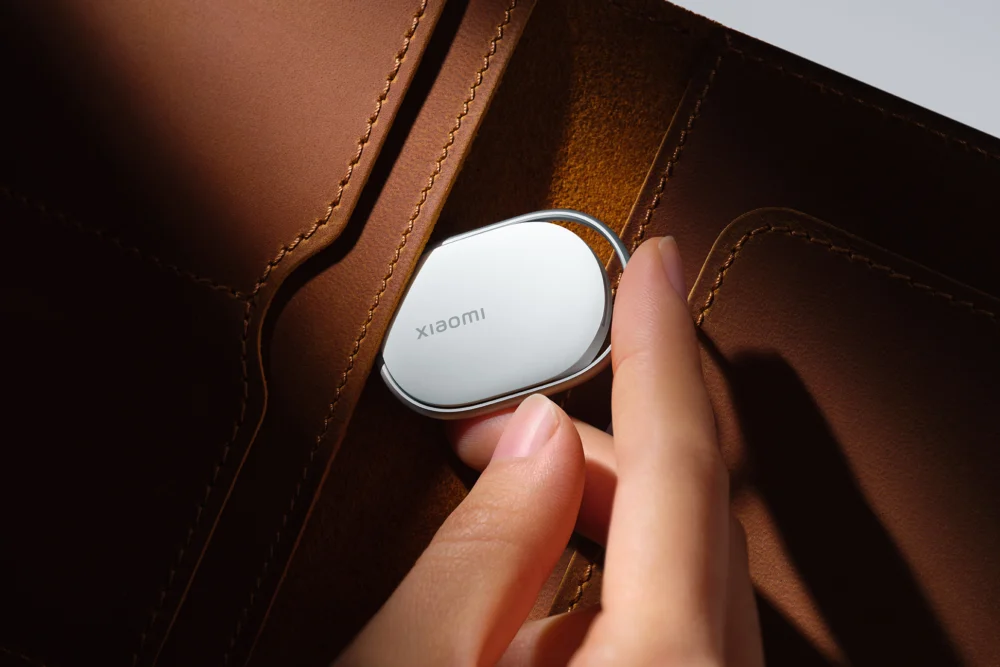
Xiaomi has entered the burgeoning market for personal item trackers with the introduction of the Xiaomi Tag, a device designed for straightforward attachment to everyday essentials, eliminating the need for supplementary accessories. This innovative approach, featuring a built-in metal loop, positions the Xiaomi Tag as a direct competitor to existing solutions, offering a distinct advantage in convenience and immediate usability for consumers seeking to safeguard their belongings.
The landscape of personal item tracking has evolved significantly, moving beyond simple keychains to sophisticated devices that leverage advanced connectivity and vast crowdsourced networks. Initially, the market was dominated by basic Bluetooth beacons that offered limited range and functionality. However, the advent of solutions like Apple’s AirTag and Tile has transformed the category into a more robust ecosystem, relying on the collective presence of millions of devices to help users locate misplaced items. Xiaomi’s entry into this space with the Xiaomi Tag signifies a strategic move to capture a segment of this growing market, focusing on user-centric design and broad compatibility.
A key design innovation of the Xiaomi Tag is its integrated metal loop. Unlike many competitors, such as Apple’s AirTag which requires a separate keychain or accessory for attachment, the Xiaomi Tag is ready for immediate use on keyrings, backpack zippers, or even clipped onto luggage via a carabiner. This eliminates an extra purchase and simplifies the initial setup and deployment for the user, addressing a common point of friction in the adoption of similar devices. The elongated form factor, while differing from the more compact disc-like designs of some rivals, facilitates this integrated loop functionality without compromising on overall portability.

The device’s versatility is further underscored by its dual-network compatibility. The Xiaomi Tag can operate within either Apple’s Find My network or Google’s Find My Device network. This is a significant strategic decision, acknowledging the entrenched user bases of both major mobile operating system providers. However, it is crucial to note that this compatibility is mutually exclusive; users must commit to one network during the initial setup process. This choice will determine the scope and effectiveness of the tracking capabilities, as the device will only be discoverable through the chosen network’s vast array of connected devices. This approach offers flexibility to a broader range of consumers, regardless of their primary smartphone ecosystem.
Powering the Xiaomi Tag is a standard CR2032 coin cell battery, a common and readily available power source. This choice mirrors that of many competitors, including Apple’s AirTag, and offers an estimated battery life of up to one year. The replaceable nature of the battery ensures long-term usability without requiring the purchase of an entirely new device once the power source depletes. Furthermore, the Xiaomi Tag boasts an IP67 dust and water resistance rating. This designation indicates a high level of protection against ingress from dust particles and the ability to withstand submersion in water up to one meter for 30 minutes, making it resilient against common environmental hazards like rain or accidental spills.
Beyond its core tracking functions, the Xiaomi Tag incorporates NFC (Near Field Communication) capabilities. This feature allows individuals who discover a lost device equipped with the tag to tap their smartphone to it. Upon tapping, they can be presented with contact information provided by the owner, facilitating the return of the lost item. This adds a layer of personal accountability and a direct communication channel for honest finders, enhancing the potential for successful item retrieval.
A notable divergence from some high-end trackers is the absence of Ultra Wideband (UWB) technology in the Xiaomi Tag. UWB technology, as seen in Apple’s AirTag, enables precision finding, allowing users to pinpoint the exact location of a lost item within close proximity through directional guidance and distance estimation on their smartphone. The Xiaomi Tag, by contrast, relies on a combination of Bluetooth signals and the aforementioned crowdsourced networks for location data. Once within audible range, users will need to trigger an audible alert from the tag to locate it, a method that has been standard in item tracking for many years. While this may be a less precise method than UWB, it is a trade-off that contributes to the device’s more accessible price point.

The pricing strategy of the Xiaomi Tag positions it as a compelling value proposition in the market. Available for approximately £12.99 (around $18) per unit, or a more economical £44.99 (around $61) for a four-pack, it significantly undercuts the cost of Apple’s AirTag. A single second-generation AirTag retails for $29, with a four-pack costing $99. This price disparity could be a major factor for consumers looking to equip multiple items or seeking a more budget-friendly entry into item tracking technology. The aggressive pricing strategy suggests Xiaomi’s intent to rapidly gain market share by offering a functional and convenient alternative at a considerably lower cost.
The broader implications of Xiaomi’s entry into this market are significant. The company, already a dominant force in consumer electronics, is leveraging its extensive distribution channels and brand recognition to challenge established players. By focusing on core functionality, integrated design, and broad compatibility, Xiaomi aims to appeal to a wide demographic. The success of the Xiaomi Tag could further democratize access to item tracking technology, making it more affordable and accessible for a larger segment of the global consumer base.
Looking ahead, the item tracking market is poised for continued innovation. While the Xiaomi Tag offers a practical and cost-effective solution, the absence of UWB hints at potential future iterations that could incorporate more advanced locating technologies. The ongoing competition in this space will likely drive further improvements in battery life, range, and the sophistication of tracking networks. Furthermore, the integration of item tracking capabilities into other smart devices and wearables is an emerging trend that could redefine how consumers manage and secure their personal possessions. Xiaomi’s strategic entry, with its emphasis on user-friendly design and competitive pricing, signals a dynamic future for the personal item tracking industry, characterized by increased choice and evolving technological capabilities.




 Lisa Mariana
 Safa Marwah
 Ayu Aulia