Lisa Mariana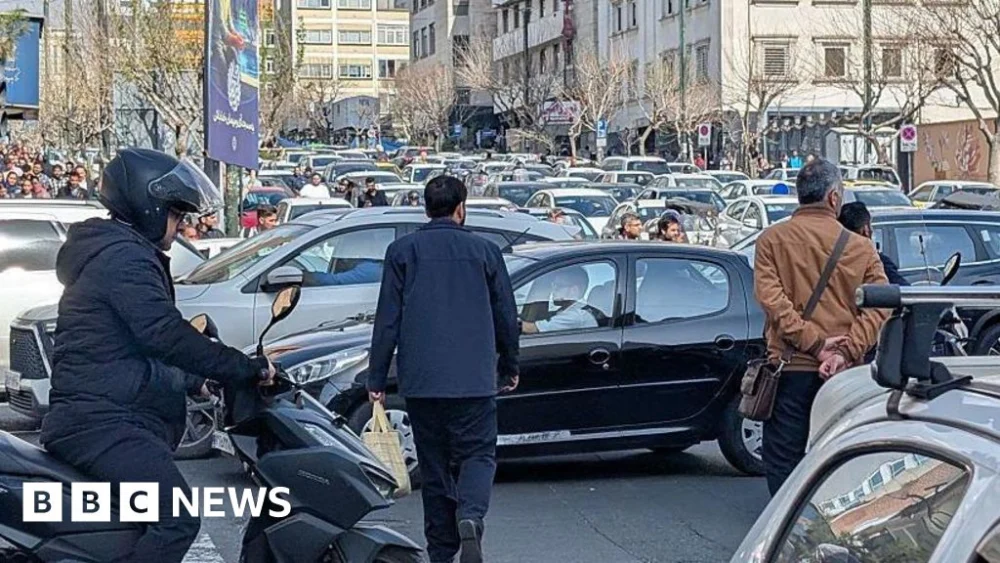
The Islamic Republic of Iran is currently experiencing a profound and multifaceted societal upheaval, where the immediate terror of military strikes clashes sharply with a profound, albeit cautiously expressed, sense of liberation among segments of the populace following the reported demise of its long-serving Supreme Leader. As the nation reels from a series of targeted aerial assaults, the civilian experience unfolds across a stark dichotomy: widespread panic and urgent flight from urban centers stand in direct contrast to an underlying current of anticipation and even jubilation from those who perceive these external pressures as a potential catalyst for long-desired internal transformation. This complex emotional landscape reflects decades of political repression, economic hardship, and a deeply divided national consciousness now acutely exposed by the escalating geopolitical tensions.
The sudden escalation of hostilities has plunged major Iranian cities into disarray. Eyewitness accounts and fragmented digital transmissions depict scenes of profound chaos near impact zones, where the concussive force of explosions is met with the piercing sounds of human distress. Videos, fleetingly shared through circumvented internet channels, capture individuals in moments of sheer terror, scrambling for safety amidst the cacophony of conflict. This instinctive response underscores the immediate and visceral threat posed to civilian life, disrupting the fragile normalcy that many Iranians have striven to maintain under challenging circumstances. The instinct to flee, particularly from the capital Tehran, towards perceived havens like the Caspian Sea region, highlights a collective memory of past conflicts and an ingrained understanding of the dangers inherent in urban warfare.
However, beneath this veneer of alarm, a striking undercurrent of optimism and defiance has emerged. For a significant portion of Iranian society, particularly those weary of the current clerical establishment, the news of Supreme Leader Ali Khamenei’s reported death, following purported US and Israeli strikes, has ignited a flicker of hope. Khamenei, who has been at the helm of Iran’s political and religious landscape for over 36 years, symbolized for many the entrenched authoritarianism and the systemic stagnation that has characterized the Islamic Republic for decades. His demise, initially announced by external sources and subsequently by Iranian state media, has been met not with universal mourning, but rather with an unexpected surge of relief in some quarters, a sentiment echoed across various social strata.
A resident of Tehran, speaking under conditions of extreme communication difficulty, articulated this profound emotional shift: "It feels surreal, like receiving news so incredibly good that one is momentarily paralyzed, unsure how to process it. I spent the entire night awake, merely waiting for dawn, for the first day to begin without Khamenei’s shadow. I genuinely believe that not just the Middle East, but the entire world has become a more promising place." This statement encapsulates the fervent desire for change, reflecting a deep-seated frustration with the existing political order and a belief that its removal could usher in an era of greater stability and freedom, both domestically and internationally.
Further illustrating this sentiment are clandestine videos depicting celebratory reactions. One clip reportedly shows a woman expressing palpable relief, affirming that Khamenei’s official residence had been targeted. Another widely circulated video purportedly captured students in a school setting, dancing and chanting slogans that explicitly welcomed the strikes and voiced support for the perceived external actor responsible. These acts, though seemingly small, are powerful indicators of a segment of the population that views foreign military intervention as a necessary, albeit perilous, means to an end – the overthrow of a regime they believe has long stifled their aspirations.
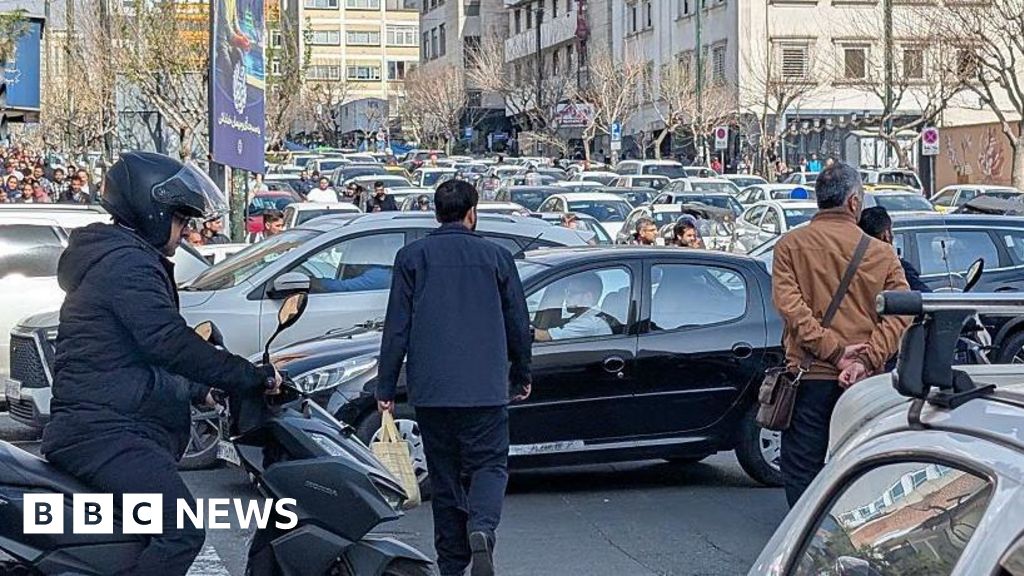
The anticipation of a major external intervention had been building for days, manifesting in tangible societal shifts. Since the preceding Friday night, long queues had formed at petrol stations, a clear sign of citizens preparing for potential disruptions or prolonged conflict. Simultaneously, a noticeable exodus from Tehran had begun, with many families seeking refuge in the northern regions of the country, near the Caspian Sea, traditionally considered safer from direct military engagement. This collective foresight underscores the population’s heightened awareness of geopolitical tensions and their pre-emptive measures to mitigate personal risk.
The imposition of an almost complete internet blackout across Iran since the commencement of the attacks has severely hampered communication, making it exceedingly difficult to ascertain a comprehensive picture of the situation on the ground. This deliberate information blockade serves multiple strategic purposes for the regime: it limits the spread of potentially destabilizing news, suppresses dissenting voices, and hinders external monitoring of events. However, the ingenuity of Iranian citizens has found partial workarounds, with some managing to briefly access the global internet via satellite services like SpaceX’s Starlink and various virtual private networks (VPNs). These sporadic connections offer invaluable, albeit fragmented, glimpses into the lived experiences within the besieged nation.
Despite these communication challenges, the BBC has managed to establish contact with several individuals identified as sympathetic to the regime, offering an alternative perspective on the unfolding crisis. One such figure, residing in central Tehran, described the abrupt transition from a "normal day" to one punctuated by "lots of explosions" as US and Israeli forces reportedly initiated their assaults. He recounted the immediate need to retrieve children from school, highlighting the sudden disruption to daily life and the pervasive anxiety among those loyal to the state. Another individual, speaking from an office in northern Tehran, detailed hearing fighter jets and two distinct explosions in the early hours of Saturday, painting a picture of palpable tension and a pervasive "sense of war in the air." These accounts also indicated a rush by citizens to stock up on essential goods, particularly canned foods, signaling widespread apprehension about potential food shortages and prolonged conflict. Furthermore, a resident who briefly accessed Starlink reported a heavy security presence on the thoroughfares leading to the Leadership House, Khamenei’s official compound, suggesting heightened defensive measures around key governmental sites.
Before the internet blackout became nearly absolute, social media platforms served as a conduit for deeply personal expressions of fear, defiance, and a yearning for a different future. Many Iranians posted poignant messages, some serving as last wills or testaments, reflecting the terrifying prospect of becoming casualties in a conflict not of their choosing. "If I perish," one user wrote, "remember that we exist too – those of us who oppose all military attacks, those of us who will simply become a statistic in casualty reports." This plea humanizes the abstract figures of war, reminding the world of the individuals caught in the crossfire, irrespective of their political affiliations.
Another user lamented the circumstances, stating, "Damn the Islamic dictatorship that ignited this war. We have already endured three wars," reflecting a profound weariness with conflict and attributing responsibility directly to the ruling establishment. Other messages highlighted the dual burden of communication breakdown and parental concern: "The internet is almost entirely down… If the network is completely severed, know that we are not soldiers for any leader, nor collateral damage. We are human beings with an inherent right to live. Strive to ensure our future is democratic, not beholden to individuals." These sentiments articulate a clear desire for self-determination and a rejection of being instrumentalized in geopolitical struggles. A particularly moving post implored, "Promise that if anything befalls us, you will care for our children and be exceptionally kind to them. Tell them we exerted every effort – we participated in silent protests, we cast our votes, we toiled through multiple shifts, we endured immense hardship." Such messages underscore the profound parental love and the sacrifices made by ordinary citizens under oppressive conditions, appealing to a shared humanity beyond the immediate conflict.
Amidst the complex tapestry of fear and hope, a significant apprehension persists among some Iranians: the concern that air strikes alone may not achieve the desired regime change. There is a palpable worry that the current government could survive these external pressures, and in a desperate act of self-preservation, respond with even greater brutality against its own populace, tightening its grip and further suppressing dissent. This fear is rooted in the regime’s historical track record of severe crackdowns on internal opposition, particularly evident in the protests a month prior where thousands were reportedly killed.
Against this backdrop of internal turmoil, external actors have engaged in strategic messaging. Following previous protests, foreign leaders had encouraged Iranians to continue their resistance, promising future assistance. Now, some Iranians report receiving text messages bearing the concise, impactful phrase, "Help has come," urging them to remain indoors and appealing to regime forces to disarm. This direct communication, bypassing state-controlled media, represents a significant psychological operation aimed at influencing public behavior and potentially fracturing regime loyalty.
However, the delicate balance of public sentiment could shift dramatically if civilian casualties mount. A highly contentious report by state media, alleging an Israeli strike on a girls’ school that resulted in dozens of deaths, immediately provoked a wave of anger. While the veracity of such claims is difficult to verify amidst the information blackout and deep public mistrust, the emotional impact is undeniable. An Iranian living abroad, who opposes military intervention, condemned the alleged incident: "The first victims of this war are 40 girls in Minab, hit by a missile attack. Is this the war you cheer for?"
Yet, the pervasive skepticism towards the Iranian regime’s official narratives means that many citizens find it difficult to accept such reports at face value. A significant number of Iranians directly attribute responsibility for such tragedies to the regime itself, irrespective of the direct perpetrator. One user articulated this sentiment: "Even if the regime did not directly target schools, the deaths of children in Minab remain the responsibility of the Islamic Republic. People have no shelters, the internet is cut, phone lines are down, and there has been no warning to keep children out of school. In these conditions, the minimum requirement should be to stay at home." This perspective highlights a fundamental lack of trust in governmental protections and an attribution of blame to the state for failing to ensure the safety and well-being of its citizens during a crisis, regardless of the source of the attack.
The current situation in Iran represents a critical inflection point, fraught with immense uncertainty. The reported death of Supreme Leader Khamenei, if confirmed and sustained, would undoubtedly create an unprecedented power vacuum, potentially triggering a complex succession struggle within the clerical establishment and the Revolutionary Guard Corps. The future trajectory of Iran, a nation grappling with both external military pressure and internal calls for radical change, remains highly unpredictable. The dual realities of panic and cautious optimism underscore a society at the precipice, where the outcomes of both military actions and internal political maneuvers will profoundly shape not only Iran’s destiny but also the broader geopolitical landscape of the Middle East. The coming days and weeks will be crucial in determining whether this moment marks a true turning point towards a new era or merely a painful chapter in an ongoing struggle.



 Aura Kasih
 Safa Marwah
 Ayu Aulia