Ridwan Kamil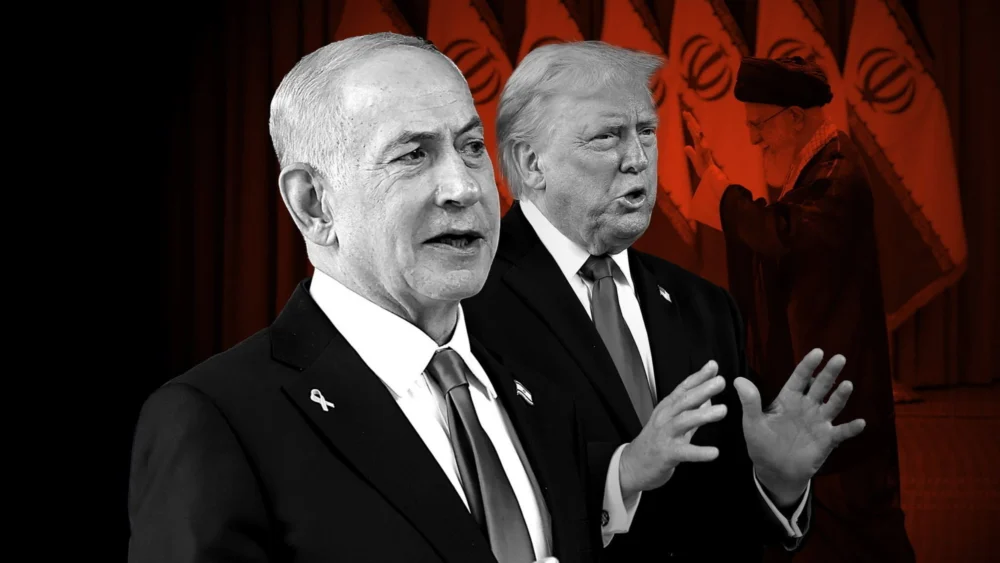
Israeli Prime Minister Benjamin Netanyahu appears to be embarking on a strategic pivot, prioritizing the objective of fundamentally altering the Iranian regime as his paramount national security imperative, a policy choice that carries profound implications for regional stability and the global geopolitical landscape. This ambitious endeavor, if indeed it represents the cornerstone of his administration’s foreign policy, signifies a departure from more conventional deterrence-focused strategies and signals a willingness to engage in protracted, high-stakes geopolitical maneuvering with the ultimate aim of fostering internal change within the Islamic Republic.
The genesis of such a policy, should it be definitively articulated and pursued, can be traced to a deep-seated and long-standing conviction within Israel’s security establishment regarding the existential threat posed by Iran’s current leadership. For decades, Jerusalem has viewed the clerical regime in Tehran as the principal architect and enabler of instability across the Middle East, a stance reinforced by Iran’s nuclear program, its support for proxy militant groups, and its vociferous anti-Israel rhetoric. Prime Minister Netanyahu, in particular, has consistently articulated this threat perception, framing Iran’s hegemonic aspirations and its pursuit of nuclear weapons as an immediate and intolerable danger to Israel’s very existence.
The strategy of pursuing "regime change" in Iran, as interpreted through the lens of Israeli policy, is unlikely to manifest as a direct military intervention in the traditional sense. Instead, it is more plausibly understood as a multi-pronged approach involving a spectrum of tools, designed to weaken the regime from within, erode its legitimacy, and empower internal opposition forces. This could encompass a sophisticated and sustained campaign of cyber warfare, aimed at disrupting critical infrastructure and communications, thereby fostering public discontent. Economic pressure, through intensified sanctions and the targeting of entities that sustain the regime, would likely be a central component, designed to cripple Iran’s financial capacity and exacerbate existing economic grievances among its population. Furthermore, diplomatic isolation and the cultivation of a broader international coalition committed to exerting pressure on Tehran would be crucial elements of such a strategy.
Beyond these overt measures, a more clandestine dimension is also conceivable. This could involve covert operations to support and amplify internal dissent, providing resources and ideological backing to various opposition movements, ranging from secular and democratic activists to ethnic and religious minorities seeking greater autonomy. The objective would be to create a pervasive sense of instability and delegitimize the ruling clerics, fostering an environment where a fundamental shift in governance becomes not only desirable but also achievable. This approach leverages the inherent fragilities within Iran, including its diverse ethnic makeup, historical grievances, and the persistent aspirations of a significant segment of its population for greater freedoms and a more open society.
The implications of such a policy are far-reaching and inherently complex. Firstly, it carries a significant risk of escalation. Iran, while facing internal pressures, possesses substantial military capabilities and a network of regional proxies. Any perceived direct or indirect Israeli involvement in undermining its regime could provoke retaliatory actions, potentially drawing in other regional actors and even the United States, thus igniting a broader conflict. The delicate balance of power in the Middle East, already precarious, could be irrevocably disrupted.
Secondly, the success of such a strategy is far from guaranteed. The Iranian regime has demonstrated remarkable resilience and a capacity to suppress internal dissent. Decades of international pressure have not fundamentally altered its trajectory. The notion that external pressure alone can catalyze a peaceful transition to a democratic or more palatable form of governance is a highly contested one. Moreover, the emergence of a successor regime, if the current one were to fall, could present unforeseen challenges. A power vacuum, or the rise of an even more radical or destabilizing force, is a distinct possibility that would require careful contingency planning.
Thirdly, this approach could strain Israel’s relationships with its key international partners, particularly the United States. While Washington shares Israel’s concerns about Iran’s nuclear program and regional behavior, it has historically favored diplomatic engagement and a more cautious approach to direct confrontation. A unilateral Israeli pursuit of regime change, especially if it involves clandestine operations or actions that provoke significant regional instability, could create considerable diplomatic friction and complicate broader international efforts to manage the Iranian threat.
From an analytical perspective, understanding Netanyahu’s potential embrace of such a strategy requires a deeper examination of his political calculus and the perceived urgency of the Iranian threat. His long tenure in office has been characterized by a deep commitment to Israel’s security, and he may view the current moment as a critical juncture where bolder action is required. The perceived weakening of international resolve to confront Iran, coupled with advances in its nuclear capabilities, might lead him to conclude that conventional deterrence is insufficient and that a more proactive approach to systemic change is necessary.
Furthermore, the internal dynamics within Iran, while often obscured from external view, are a crucial factor. Reports of growing public dissatisfaction, economic hardship, and social unrest, even if suppressed, provide fertile ground for external influence. Netanyahu’s strategy might be predicated on the belief that these internal pressures can be amplified and channeled into a transformative movement, thereby achieving Israel’s long-term security objectives without resorting to direct military conflict.
The potential "biggest decision" of Netanyahu’s premiership, therefore, is not merely a tactical adjustment but a fundamental strategic reorientation. It involves a calculated gamble, betting on the efficacy of a complex interplay of economic, diplomatic, informational, and potentially covert pressures to achieve a profound geopolitical outcome. The success of this strategy would depend on a multitude of factors, including the internal resilience of the Iranian regime, the level of popular discontent, the capacity of opposition movements to coalesce and act, and the willingness of international partners to support, or at least tolerate, such an ambitious undertaking.
The historical context of Iranian foreign policy, characterized by a mix of revolutionary fervor and pragmatic statecraft, suggests that any external attempt to engineer regime change would be met with considerable resistance. The Islamic Revolutionary Guard Corps (IRGC) and its associated security apparatus are deeply entrenched and have proven adept at navigating internal and external threats. Any sustained effort to destabilize the regime would likely trigger a robust and potentially unpredictable response.
Moreover, the international community’s reaction to such a policy would be a critical determinant of its viability. While many nations share Israel’s concerns about Iran’s regional destabilization and nuclear ambitions, the idea of actively pursuing regime change is often viewed with skepticism due to the inherent risks of unintended consequences and the potential for prolonged instability. A fractured international response could undermine the effectiveness of any coordinated pressure campaign.
Looking ahead, the long-term ramifications of such a policy, if implemented, could reshape the Middle East for decades. A successful transition to a different form of governance in Iran could lead to a significant reduction in regional tensions, a halt to its nuclear weapons program, and a fundamental reordering of regional alliances. Conversely, a miscalculation or a failed attempt could result in a more entrenched, aggressive, and dangerous Iran, further destabilizing an already volatile region and potentially drawing Israel into a protracted and costly conflict.
Ultimately, Benjamin Netanyahu’s pursuit of regime change in Iran, if it is indeed his "biggest decision," represents a bold and potentially transformative foreign policy gambit. It is a strategy that eschews incremental adjustments in favor of a more fundamental reordering of the regional status quo. The efficacy and wisdom of such a course of action will be judged not only by its immediate outcomes but by its long-term impact on the security and stability of Israel and the broader Middle East. The unfolding of this complex geopolitical strategy will undoubtedly be closely scrutinized by regional actors, global powers, and analysts alike.


 Aura Kasih
 Safa Marwah
 Ayu Aulia