Lisa Mariana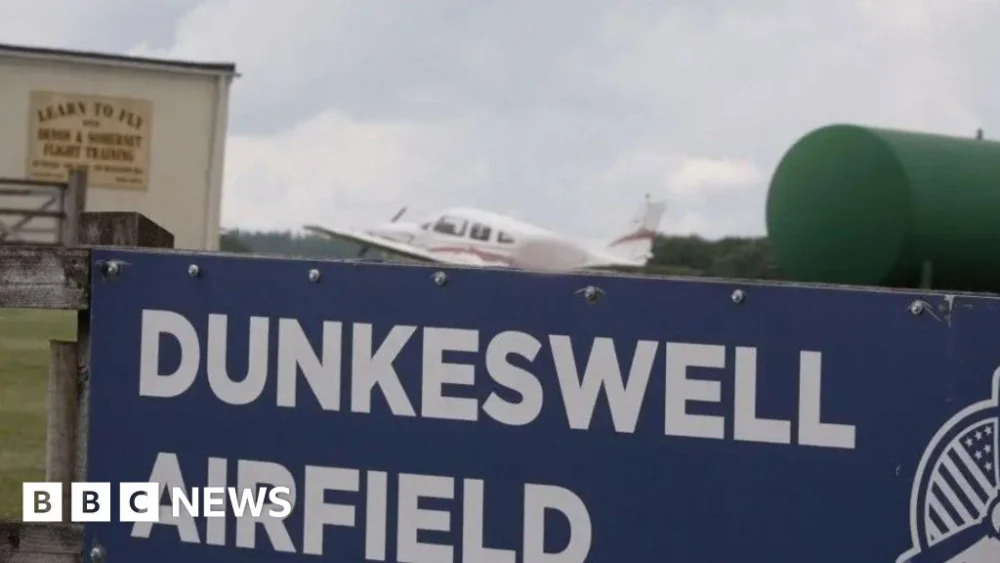
A serious incident culminating in a fatality occurred during a skydiving activity at Dunkeswell Aerodrome in Devon, initiating a comprehensive multi-agency investigation into the precise circumstances that led to the death of a 49-year-old individual. This unfortunate event, which transpired on a recent Saturday afternoon, has drawn immediate attention to safety protocols within the adventurous aviation sector, particularly at facilities hosting high-risk recreational pursuits.
On Saturday, February 28, 2026, at approximately 13:00 GMT, emergency services were dispatched to Dunkeswell Aerodrome, situated near Honiton, following reports expressing serious concerns for the welfare of a male skydiver. Upon arrival, responding personnel, including law enforcement officials and paramedics, confirmed the tragic demise of the 49-year-old participant. The individual’s family has been formally notified of the incident. Authorities have indicated that active inquiries are ongoing at the site to ascertain the sequence of events and contributory factors. The investigation is expected to be thorough, involving various specialist bodies due to the inherent complexities of aviation incidents and extreme sports.
This latest fatality marks a somber recurrence for Dunkeswell Aerodrome, which experienced another fatal skydiving incident less than a year prior. On June 13, 2025, a tandem skydive resulted in the deaths of 30-year-old instructor Adam Harrison, from Bournemouth, and his 48-year-old client, Belinda Taylor, from Totnes, Devon. In that instance, reports indicated a catastrophic failure of their primary parachute system following a jump from an altitude of 15,000 feet (approximately 4.6 kilometers). Both individuals sustained multiple, ultimately fatal, injuries. The company responsible for organizing that particular tandem jump subsequently entered administration within a month of the tragedy, highlighting the severe repercussions such incidents can have on commercial operators in this niche industry. The proximity of these two events will undoubtedly intensify scrutiny on operational safety standards and regulatory compliance at the facility.
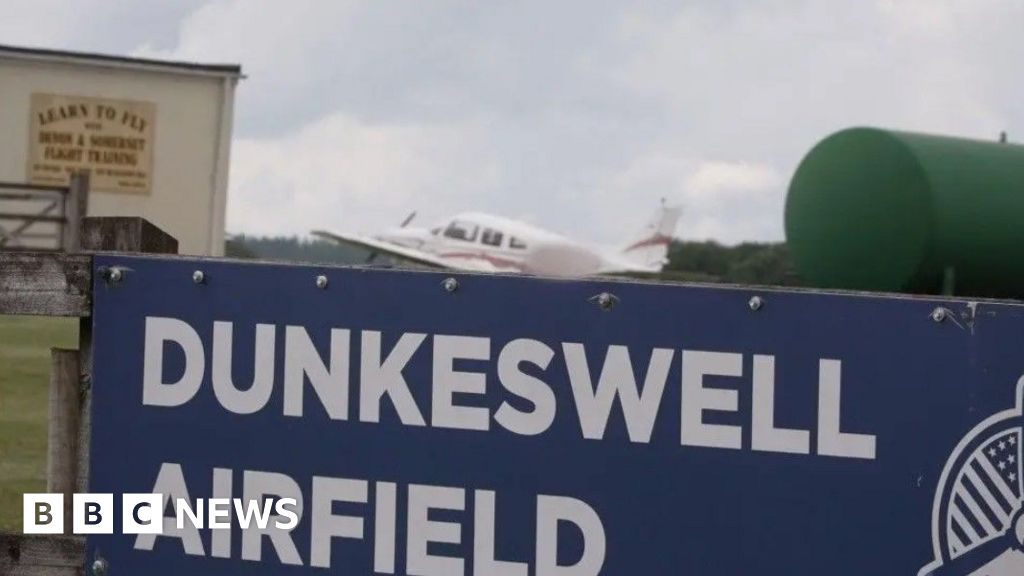
Dunkeswell Aerodrome boasts a rich historical legacy, originating as a strategically vital US naval air base during the Second World War. Its post-conflict evolution saw it transition into a civilian aviation hub, becoming a prominent center for various aerial activities in the Southwest of England. Located within the scenic Blackdown Hills, close to the county line with Somerset, the aerodrome is distinguished as the highest licensed airfield in the United Kingdom, standing at an elevation of 839 feet (256 meters) above sea level. Beyond skydiving, the facility offers a diverse range of aviation experiences, including Spitfire flight tours, exhilarating wing-walking experiences, and comprehensive flight training programs for various aircraft. This breadth of operations underscores the aerodrome’s significant role in regional aviation, but also presents a multifaceted challenge in maintaining rigorous safety standards across different disciplines.
The investigation into the most recent fatality will likely encompass several critical areas. Police presence at the scene is standard procedure for any unexplained death, enabling the securement of the site, collection of initial evidence, and identification of witnesses. Beyond the immediate police inquiry, specialist aviation accident investigators, typically from the British Skydiving Association (BSA), the sport’s governing body in the UK, and potentially the Air Accidents Investigation Branch (AAIB) if a broader aircraft systems failure is suspected, will play a crucial role. Their focus will extend to a meticulous examination of the skydiving equipment used by the deceased. This includes the main parachute, the reserve parachute, the harness and container system, and any Automatic Activation Devices (AADs) designed to deploy the reserve parachute automatically at a predetermined altitude if manual deployment fails. Investigators will seek to determine if equipment malfunction, human error, environmental factors such as unexpected wind shear, or a combination thereof, contributed to the tragic outcome.
The regulatory framework governing skydiving in the United Kingdom is robust, primarily overseen by the Civil Aviation Authority (CAA) and the British Skydiving Association. The BSA sets stringent standards for training, equipment maintenance, operational procedures, and instructor qualifications. All registered skydiving centers and instructors must adhere to these guidelines, which are designed to mitigate the inherent risks associated with jumping from aircraft at high altitudes. These standards cover everything from pre-jump safety briefings and equipment inspections to mandatory re-packing schedules for parachutes and periodic reviews of instructor certifications. When an incident like this occurs, the BSA conducts its own internal safety investigation, which often leads to recommendations for industry-wide improvements or adjustments to existing protocols. The findings of such investigations are critical for continuous safety enhancement within the sport.
Skydiving, by its very nature, is classified as an extreme sport, attracting individuals seeking thrill and adventure. Despite its perceived risks, the industry maintains that, statistically, it is remarkably safe when conducted under professional supervision and in compliance with established safety protocols. Global statistics from various skydiving associations consistently report very low fatality rates per jump. However, when incidents do occur, they are often catastrophic and highly publicized, leading to significant public concern and calls for enhanced oversight. The double fatality at Dunkeswell Aerodrome within a short timeframe presents a unique challenge for the facility and the wider skydiving community in maintaining public trust and confidence.
The psychological impact of such incidents extends far beyond the immediate families of the deceased. Instructors, ground crew, and fellow skydivers at the aerodrome often experience profound emotional distress. The close-knit nature of the skydiving community means that these tragedies resonate deeply, prompting introspection and sometimes temporary cessation of activities as individuals process the events. For the aerodrome itself, there may be an immediate economic impact, potentially including temporary operational pauses, a decline in bookings, and increased insurance premiums. The broader reputational damage can be long-lasting, necessitating concerted efforts to rebuild public perception and reinforce commitment to safety.
Looking ahead, the outcomes of the ongoing investigations will be paramount. A coroner’s inquest will ultimately be held to formally determine the cause of death for the 49-year-old man. This legal process provides an opportunity for all evidence to be presented publicly, and for any contributing factors to be openly discussed. Depending on the findings, the inquest may issue recommendations aimed at preventing similar incidents in the future. These recommendations could range from specific equipment modifications or maintenance schedules to revised training methodologies or operational weather criteria.
Beyond the immediate legal and regulatory responses, this incident will likely prompt a broader re-evaluation of risk management strategies within the skydiving sector. Advances in technology, such as more sophisticated AADs, improved parachute materials, and enhanced real-time weather monitoring systems, continuously offer opportunities to bolster safety. However, the human element—training, vigilance, and adherence to established procedures—remains the cornerstone of accident prevention in extreme sports. The skydiving industry, globally and within the UK, is characterized by its dedication to safety and continuous improvement. Each incident, however tragic, serves as a catalyst for rigorous self-assessment and the implementation of further mitigation strategies, ensuring that the pursuit of this exhilarating sport remains as safe as humanly possible for participants. The ultimate goal of these exhaustive inquiries is not merely to assign blame, but to glean critical insights that will contribute to the ongoing evolution of safety practices and prevent future recurrences, safeguarding the lives of those who embrace the skies.



 Aura Kasih
 Safa Marwah
 Ayu Aulia