Ridwan Kamil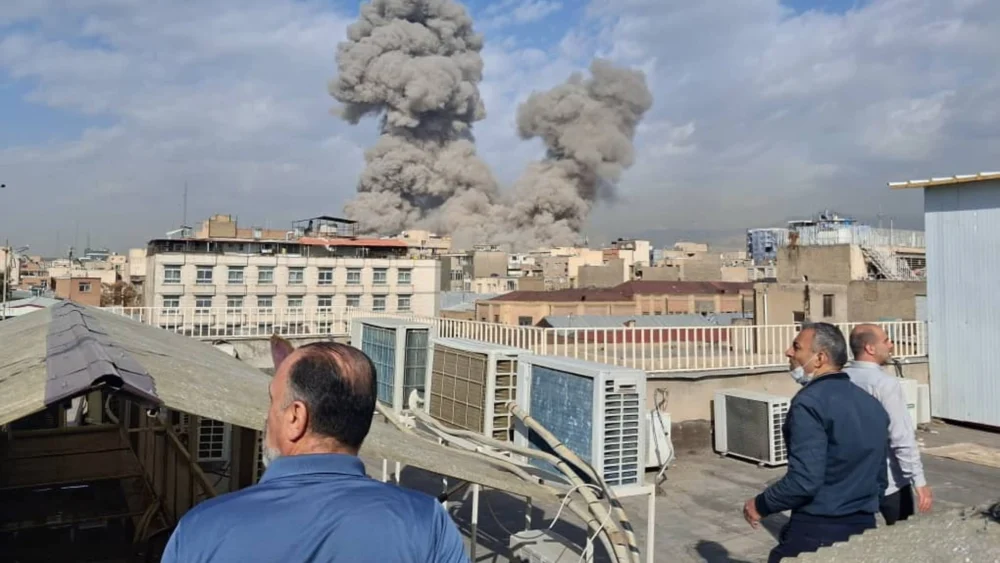
The Iranian capital, Tehran, began its work week under a pall of sudden violence as multiple explosions rocked the city, disrupting the routine of millions and sending shockwaves of apprehension across the nation and the wider region. The detonations, which occurred at strategic intervals and in seemingly coordinated fashion, have immediately heightened an already precarious geopolitical climate, prompting urgent questions about their origin, perpetrators, and the broader implications for regional stability.
The initial reports of the explosions painted a chaotic picture, with emergency services scrambling to respond to multiple incidents across different parts of the sprawling metropolis. Witnesses described plumes of smoke rising into the sky, accompanied by the disquieting sounds of blasts that shattered the morning calm. While official statements are still being pieced together, preliminary information suggests a deliberate and carefully planned series of attacks, targeting infrastructure and potentially symbolic locations within the city. The timing of these events, coinciding with the start of the working week, suggests a deliberate attempt to maximize disruption and instill a sense of pervasive insecurity.
The immediate aftermath saw a swift increase in security presence across Tehran, with authorities attempting to contain the situation and gather crucial intelligence. The nature of the explosions – whether conventional explosives, improvised devices, or something more sophisticated – remains a subject of intense scrutiny. Early indications point towards a level of organization and operational capability that raises serious concerns about the actors involved. The deliberate targeting and apparent coordination suggest a sophisticated planning process, moving beyond isolated acts of violence.
Unpacking the Explosions: A Multifaceted Analysis
To comprehend the gravity of these events, it is imperative to consider the multifaceted context within which they have unfolded. Iran, a nation of significant geopolitical weight, exists within a highly volatile regional landscape. Its strategic position, coupled with its complex relationships with neighboring states and global powers, makes it a constant focal point of international attention. The recent explosions in Tehran are not isolated incidents but rather potential escalations within a broader tapestry of regional power struggles and ideological conflicts.
One of the primary avenues of analysis revolves around the potential perpetrators. Several actors could possess the motive and capability to execute such attacks. Domestically, dissident groups, operating from within or abroad, might seek to destabilize the current regime through acts of sabotage. However, the scale and apparent sophistication of these explosions suggest a level of organization that often points to state-sponsored or well-resourced non-state actors.
Regionally, the long-standing tensions between Iran and several of its neighbors, particularly those aligned with its geopolitical rivals, cannot be ignored. Proxy conflicts, cyber warfare, and covert operations have become hallmarks of the current geopolitical environment. The explosions could represent a new, more direct form of engagement, designed to inflict psychological and physical damage, thereby altering the strategic calculus of the involved parties. The targeting of urban centers within Iran itself would represent a significant departure from previous patterns of conflict, signaling a willingness to escalate the stakes considerably.
Furthermore, the global implications of these explosions are profound. Iran’s nuclear program, its ballistic missile development, and its influence in various regional conflicts have placed it at the center of international security discussions. Any act of violence within its borders, particularly one with the potential to destabilize the country, carries significant implications for global energy markets, international diplomacy, and the ongoing efforts to manage regional security. The immediate effect would likely be a heightened sense of alert among international observers and a renewed focus on Iran’s internal security and its foreign policy decisions.
Expert Analysis and Potential Scenarios
Security analysts are poring over the available data, attempting to decipher the intended message behind these attacks. Dr. Anya Sharma, a leading expert on Middle Eastern security, notes, "The precision and timing suggest a carefully calibrated operation. The objective may not be solely destruction, but also psychological impact – to demonstrate vulnerability and sow discord. We must consider who benefits from such an escalation and what strategic objectives they aim to achieve."
Several scenarios are being considered:
- Retaliation for Previous Actions: Iran has been involved in numerous regional conflicts, often through proxy forces. These explosions could be a retaliatory strike by adversaries who have suffered losses or felt threatened by Iranian actions. This could involve state actors or well-organized non-state entities with sophisticated intelligence and operational capabilities.
- Escalation of Existing Tensions: The current geopolitical climate is fraught with tension. The explosions could represent an attempt by an actor to unilaterally escalate a simmering conflict, forcing a reaction and potentially altering the regional balance of power. This might be aimed at drawing in international attention or forcing a recalibration of diplomatic efforts.
- Internal Destabilization Efforts: While less likely given the sophistication, internal dissent cannot be entirely ruled out. Fringe elements or organized opposition groups could be seeking to exploit existing grievances and create an environment of chaos to further their own agenda. However, the scale of these attacks suggests external backing or a significant internal operational capacity.
- A New Phase of Asymmetric Warfare: The possibility of a new phase of asymmetric warfare emerging cannot be dismissed. This would involve actors employing unconventional tactics to achieve strategic objectives, bypassing traditional military confrontation. The explosions could be a testing ground for new methods of engagement, designed to achieve maximum impact with minimal direct attribution.
The lack of immediate, credible claims of responsibility further complicates the analysis. This could be a deliberate tactic to foster uncertainty and fear, or it could indicate a highly clandestine operation where attribution is deliberately obscured. Intelligence agencies worldwide will be working overtime to ascertain the origins and perpetrators, as the response to these explosions will undoubtedly have far-reaching consequences.
Implications for Regional Stability and Global Dynamics
The reverberations of these explosions extend far beyond the immediate confines of Tehran. The potential for miscalculation and unintended escalation is now significantly heightened. Regional powers, already engaged in a complex web of alliances and rivalries, will be closely observing the Iranian response and the international community’s reaction.
- Heightened Regional Tensions: The explosions are likely to exacerbate existing tensions between Iran and its regional adversaries. This could lead to increased military posturing, proxy engagements, and a more volatile security environment across the Middle East. The risk of a wider conflict, even if unintended, is a tangible concern.
- Impact on Nuclear Negotiations: If the explosions are perceived as an act of aggression by a state actor, it could have a chilling effect on ongoing diplomatic efforts, including those related to Iran’s nuclear program. Negotiations require a degree of stability and trust, which these events severely undermine.
- Global Economic Ramifications: Iran’s role as a major oil producer means that any significant instability within its borders can have a direct impact on global energy markets. Fluctuations in oil prices, supply chain disruptions, and increased geopolitical risk premiums are all potential economic consequences.
- Shift in International Diplomacy: The international community will be forced to re-evaluate its approach to Iran and the region. A more robust and coordinated diplomatic response may be required to de-escalate tensions and prevent further bloodshed. However, the complexities of regional rivalries and differing national interests could hinder a unified approach.
Future Outlook: Navigating an Uncertain Path
The immediate future for Tehran and the wider region remains shrouded in uncertainty. The Iranian government will face immense pressure to respond decisively, both to reassure its population and to project strength to its adversaries. However, the nature of this response will be critical in determining whether the situation de-escalates or spirals further out of control.
The coming days and weeks will be crucial for intelligence gathering and diplomatic engagement. The international community must prioritize de-escalation and work towards a peaceful resolution of the underlying tensions that have led to this violent outbreak. The pursuit of clarity regarding the perpetrators and their motives will be paramount. Only through a comprehensive understanding of the events can a strategic and effective response be formulated, aiming to prevent further loss of life and to restore a semblance of stability to a region teetering on the brink. The explosions in Tehran serve as a stark reminder of the fragility of peace and the persistent dangers of unresolved geopolitical conflicts. The world watches, waiting to see how this latest chapter of regional turmoil will unfold.

 Aura Kasih
 Safa Marwah
 Ayu Aulia