Lisa Mariana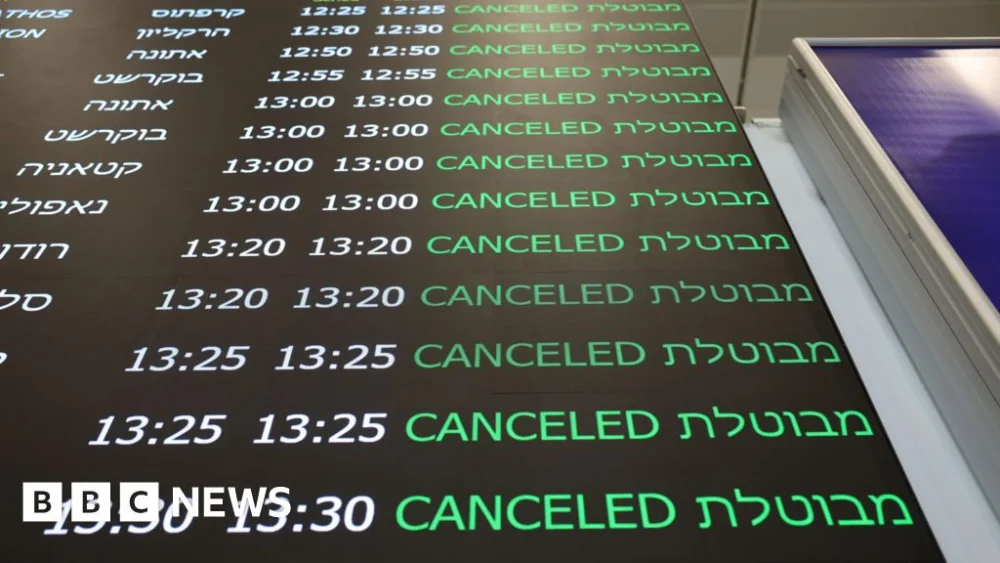
A severe escalation in geopolitical tensions across the Middle East has precipitated extensive disruption to global air travel and prompted heightened security alerts from international governments. Commercial aviation networks are grappling with widespread flight cancellations and diversions, directly correlating with intensified military actions undertaken by the United States and Israel targeting Iranian infrastructure. This volatile environment has compelled nations to issue urgent safety directives for their citizens residing or traveling within the region, underscoring the immediate and far-reaching implications of the evolving conflict.
The dramatic turn of events unfolded following a series of precision strikes launched by the United States and Israel against key sites within Iran, including locations near its capital, Tehran, on Saturday. These operations, reportedly designed to degrade Iranian military capabilities and exert pressure on its nuclear ambitions, immediately drew sharp condemnations and threats of retaliation from Iranian authorities. Subsequently, reports emerged of Iran initiating its own retaliatory strikes against Israeli targets and various facilities hosting American personnel in neighboring nations, leading to confirmed civilian casualties and further exacerbating an already precarious security situation.
Airlines operating in or transiting through the Middle Eastern airspace were quick to react to the rapidly deteriorating conditions. Major international carriers, including British Airways, Virgin Atlantic, and Wizz Air, were among the first to announce significant alterations to their flight schedules. These adjustments, citing paramount safety concerns for passengers and crew, involved the outright cancellation of numerous services and the rerouting of others, leading to considerable inconvenience for thousands of travelers worldwide. The immediate closure of Iranian airspace, a critical corridor for East-West air traffic, forced a complex re-evaluation of flight paths, adding substantial duration and fuel costs to journeys that would typically traverse the region.
British Airways, a prominent player in regional air travel, confirmed the suspension of all services to Tel Aviv in Israel and Bahrain until at least Wednesday, alongside the cancellation of its Saturday flight to Amman, Jordan. A particularly vivid illustration of the unfolding crisis occurred on Friday evening when a British Airways flight bound for Doha, Qatar, carrying over 200 passengers, was ordered to turn back to Heathrow Airport approximately one-third of the way into its journey, a decision made in response to the rapidly unfolding security alerts. Passengers, initially unaware of the full scope of the crisis, described scenes of confusion and frustration upon their return.
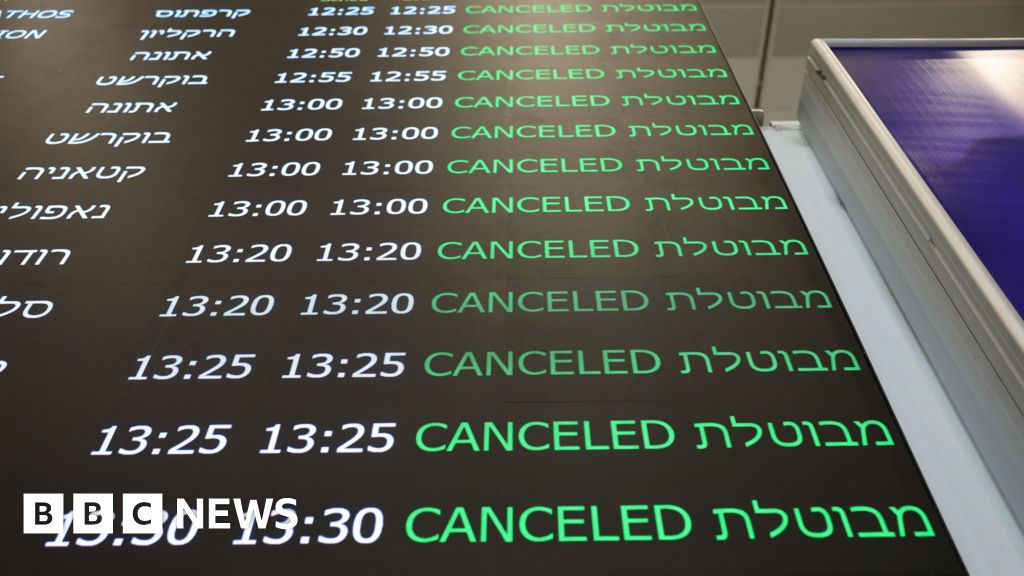
Sarah Short, a British national attempting to return to Heathrow from Dubai, recounted her experience to news outlets, detailing how her flight was grounded just as it was preparing for takeoff. "We got on the plane and were literally about to taxi when the pilot said: ‘We have some bad news – we’re not going anywhere’," she explained. After an arduous three-hour wait on the tarmac, the flight was ultimately cancelled. Ms. Short articulated the profound uncertainty gripping travelers, stating, "There’s no flights, everything’s suspended. BA said there’s nothing they can do. It’s all so volatile, you just don’t know what’s going to happen next." Her sentiments echoed those of countless others stranded or delayed across various airports, including Ben Gurion in Tel Aviv, where departure boards prominently displayed a litany of cancelled services, and Delhi Airport, where queues stretched long as passengers grappled with the fallout.
Virgin Atlantic also reported significant operational changes, cancelling a Heathrow to Dubai service and issuing warnings that flights destined for India, Saudi Arabia, and the Maldives might experience extended travel times due to necessary rerouting around the affected airspace. Budget airline Wizz Air took even more drastic measures, suspending all flights to and from Israel, Dubai, Abu Dhabi, and Amman until the following Saturday, highlighting the perceived sustained risk. Regional carriers were similarly impacted; Qatar Airways confirmed the temporary suspension of flights to and from its capital, Doha, directly attributing the decision to the closure of Qatari airspace, while Emirates announced a temporary halt to its services connecting to and from Dubai. Heathrow, one of the world’s busiest international hubs, advised all prospective travelers to maintain close contact with their respective airlines for real-time updates, underscoring the dynamic nature of the situation.
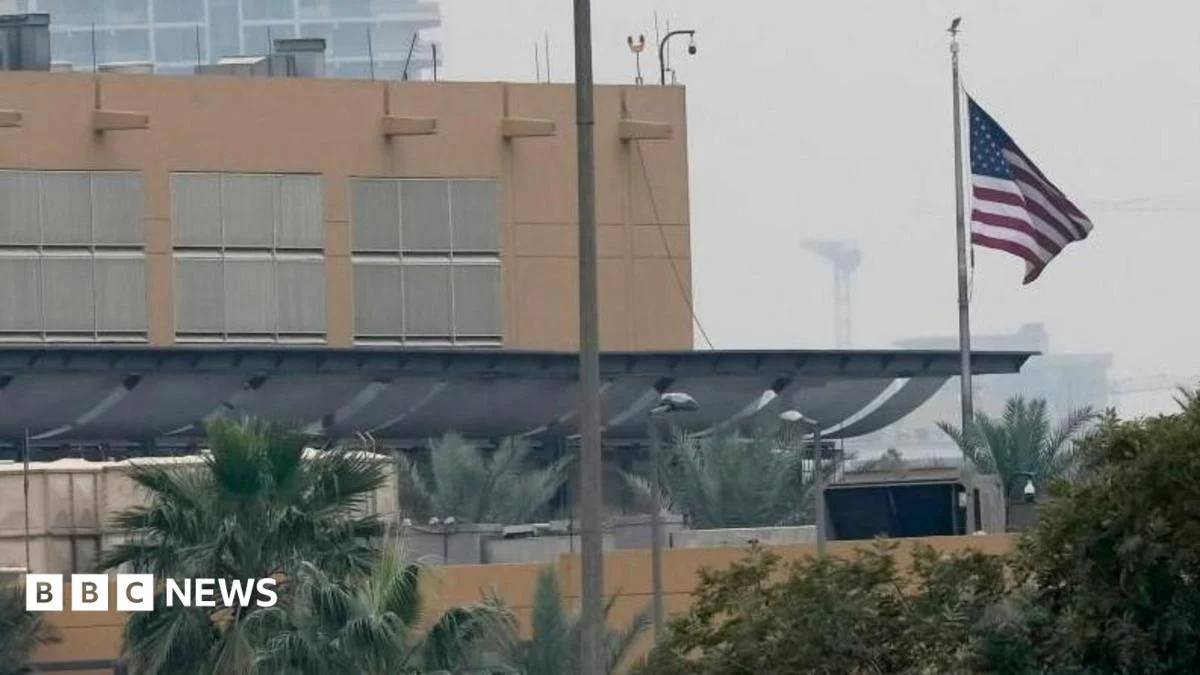
Beyond the aviation sector, the immediate humanitarian and security implications were profoundly felt across the Gulf region. The UK Foreign Office escalated its travel advice, specifically urging British nationals in Bahrain, Qatar, Kuwait, and the United Arab Emirates (UAE) to immediately "shelter in place" following credible reports of explosions and the activation of air raid sirens. These warnings came amidst confirmed missile interceptions by Qatar’s defense ministry, which reported successfully neutralizing incoming Iranian projectiles. John Henry, a 71-year-old British tourist from Northampton vacationing in Doha with his family, described the alarming experience of receiving an air raid alert while at a shopping center. "We heard a bit of a thud and felt a tremor, and we saw a number of people moving quickly out of the shopping centre," he recounted, later observing "vapour trails where they had hit" and hearing "four or five additional thuds where something must have happened." The UAE also confirmed intercepting Iranian missiles, and footage circulated appearing to show a US facility in Bahrain being struck, further illustrating the widespread nature of the alleged retaliatory actions.
In a broader advisory, the Foreign Office urged British nationals in Jordan, Syria, Lebanon, Iraq, Yemen, Turkey, Saudi Arabia, and Oman to "remain vigilant" and heed any instructions to seek shelter. The gravity of the situation prompted a high-level response from the British government, with Prime Minister Sir Keir Starmer chairing a Cobra meeting – the UK’s emergency response committee – to assess the implications of the strikes. A government spokesperson emphasized the immediate priority: "Our immediate priority is the safety of UK nationals in the region and we will provide them with consular assistance," signaling the government’s commitment to supporting its citizens amidst the crisis.
Geopolitical Context and Escalation Dynamics
The current military actions represent a significant intensification of a long-standing, multifaceted rivalry involving the United States, Israel, and Iran. Decades of distrust, ideological divergence, and competing regional ambitions have fueled a complex "shadow war" characterized by proxy conflicts, cyber warfare, and occasional direct military skirmishes. The Trump administration’s stated rationale for the recent strikes, encompassing a failure to reach an agreement on limiting Iran’s nuclear program and the broader objective of "regime change," underscores the deep-seated grievances and strategic objectives driving US policy in the region. Israel, viewing Iran’s nuclear aspirations and its support for various militant groups as an existential threat, has consistently advocated for a robust military posture against Tehran. This latest round of strikes, therefore, is not an isolated incident but rather a dramatic inflection point in an enduring geopolitical struggle, raising profound questions about regional stability and the potential for wider conflagration. The involvement of US facilities in alleged retaliatory strikes further complicates the narrative, intertwining the security of American personnel with the broader regional conflict.
Implications for Global Aviation and Economy
The ripple effects of this escalation extend far beyond the immediate conflict zones. The closure of key airspaces and the subsequent rerouting of thousands of flights have immediate economic consequences for the global aviation industry. Airlines face increased operational costs due to longer flight paths, higher fuel consumption, and potential insurance premium adjustments for flying near conflict zones. The cancellation of flights results in significant revenue losses and poses logistical nightmares for airlines and passengers alike, impacting global supply chains and business travel. International aviation bodies, such as the International Civil Aviation Organization (ICAO) and the International Air Transport Association (IATA), will likely issue updated risk assessments and guidance, further influencing airline decisions. The psychological impact on travelers, who now face increased uncertainty and anxiety about flying through or near the Middle East, could also lead to a downturn in demand for certain routes.
Beyond aviation, a sustained escalation in the Persian Gulf region carries substantial risks for global energy markets. The Strait of Hormuz, a critical chokepoint for a significant portion of the world’s oil supply, could become vulnerable to disruption, potentially triggering a sharp increase in oil prices and impacting the global economy. International trade routes, particularly those reliant on maritime shipping through the Gulf, could also face heightened security threats, leading to increased shipping costs and potential delays. The interconnectedness of global finance means that prolonged instability could send shockwaves through international markets, affecting investor confidence and economic growth worldwide.
Diplomatic Fallout and Future Outlook
The international community now faces a critical juncture. The UN Security Council and other global diplomatic forums are expected to convene to discuss de-escalation strategies, though reaching a consensus among major powers with differing interests will be challenging. Allies of the US and Israel will likely reaffirm support while urging restraint, whereas countries with closer ties to Iran may condemn the strikes and call for an end to external intervention. The potential for miscalculation or unintended escalation remains extremely high, with each retaliatory action increasing the probability of a wider conflict.
The immediate future of the Middle East remains fraught with uncertainty. Governments, businesses, and individuals are being forced to adapt to a rapidly shifting security paradigm. For travelers, the advice remains clear: prioritize personal safety, monitor official government travel advisories, and maintain flexible travel plans. The current crisis underscores the fragile nature of peace in the region and the profound impact that geopolitical tensions can have on daily life, global commerce, and international stability. The coming days and weeks will be crucial in determining whether the current escalation can be contained or if it will spiral into a broader, more devastating confrontation.



 Aura Kasih
 Safa Marwah
 Ayu Aulia