Lisa Mariana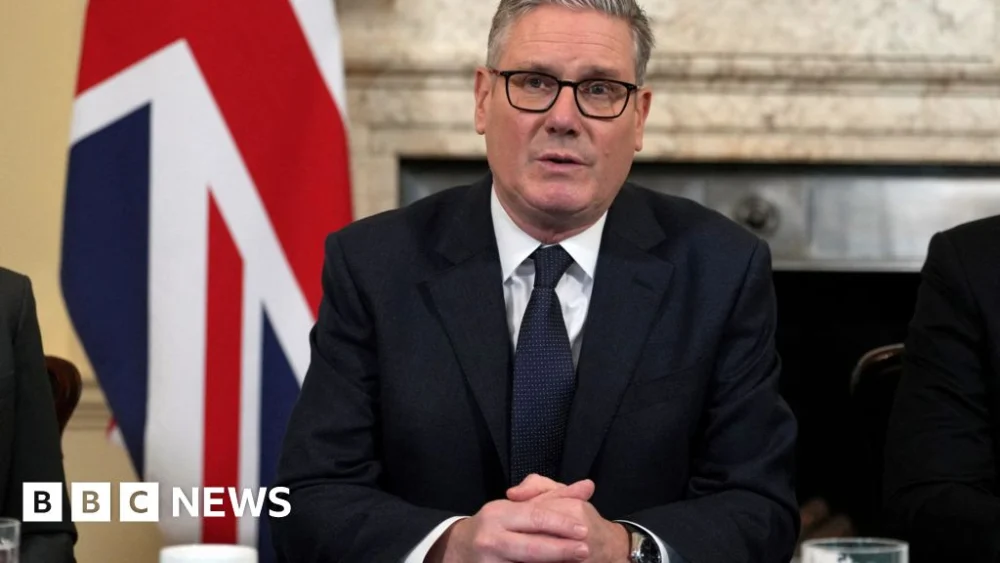
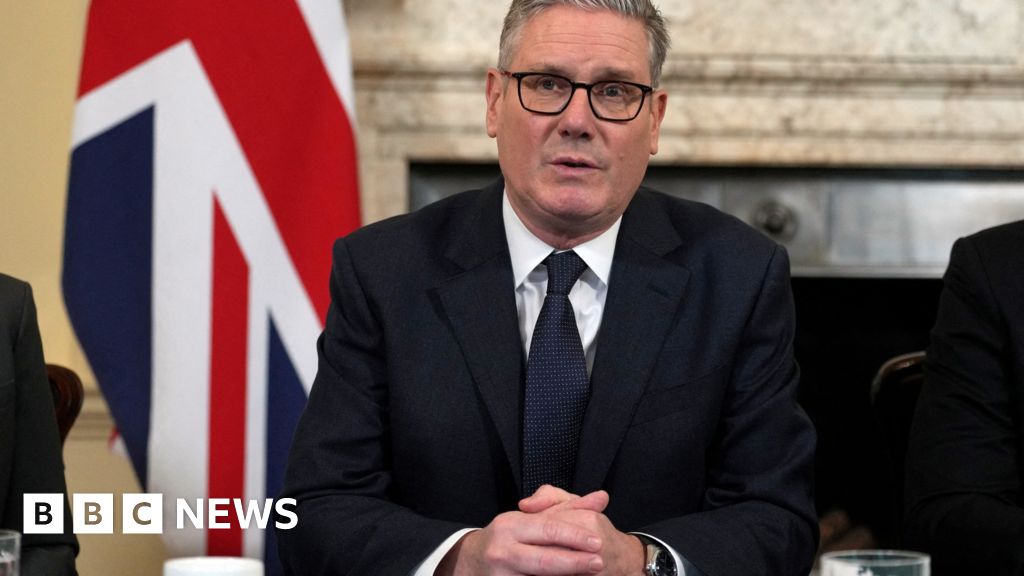
The United Kingdom government, under the leadership of Prime Minister Sir Keir Starmer, has initiated a top-tier emergency response, convening a Cobra meeting following a dramatic escalation of hostilities in the Middle East, characterized by coordinated aerial bombardments by the United States and Israel targeting Iranian territory. This critical gathering underscores the severe implications of the unfolding crisis, which has seen explosions reverberate across multiple Iranian urban centers, including the capital Tehran, directly succeeding the collapse of international negotiations aimed at curtailing Iran’s nuclear ambitions. The United Kingdom has confirmed its non-involvement in the offensive strikes, maintaining a posture of diplomatic engagement amidst the burgeoning conflict.
The regional landscape has been irrevocably altered as Iran launched its anticipated retaliatory strikes, confirmed by Israel’s military, with reports of explosions and targeted attacks emanating from various countries hosting American military installations across the Middle East. The immediate fallout has precipitated widespread disruption to commercial aviation, casting a pall of uncertainty over the stability of a geopolitically volatile region.
A Cobra meeting, an acronym for Cabinet Office Briefing Rooms, signifies the highest level of emergency governmental coordination in the UK. It brings together senior ministers, intelligence chiefs, military advisors, and other key officials to formulate and execute a unified national strategy in response to critical incidents. Prime Minister Starmer’s decision to chair this session highlights the profound gravity with which Whitehall perceives the current crisis, underscoring the potential for broad international ramifications. The discussions within the Cobra framework would have centered on intelligence assessments, strategic diplomatic responses, safeguarding British interests, and contingency planning for further escalation.
A spokesperson for the British government articulated the nation’s steadfast position: "Iran must never be allowed to develop a nuclear weapon, and that principle has consistently underpinned our support for a negotiated resolution." This statement reiterates a long-standing international consensus and the fundamental objective behind years of diplomatic efforts, including the arduous Joint Comprehensive Plan of Action (JCPOA) negotiations, which sought to impose stringent restrictions on Iran’s nuclear program in exchange for sanctions relief. The recent failure of these talks, culminating in this week’s breakdown, appears to have served as a critical precursor to the military actions now underway.
Beyond the immediate security concerns related to Iran’s nuclear capabilities, the government’s immediate priorities extend to the welfare of its citizens. "Our immediate priority is the safety of UK nationals in the region, and we will provide them with comprehensive consular assistance," the spokesperson affirmed. This commitment translates into active measures by the Foreign, Commonwealth & Development Office (FCDO) to monitor the situation, update travel advisories, and prepare for potential evacuation scenarios, reflecting the inherent risks to expatriates and travelers in a conflict zone.
Crucially, the UK government conveyed a clear message regarding its strategic outlook: "We do not want to see further escalation into a wider regional conflict." This declaration underscores the delicate diplomatic tightrope the UK and its allies must walk, balancing the imperative to address perceived threats from Iran with the urgent necessity of preventing a full-scale regional conflagration that could destabilize global energy markets, trigger humanitarian crises, and draw in additional international actors. The UK’s historical diplomatic role and its close alliances with both the US and regional partners position it uniquely, yet precariously, in this rapidly evolving scenario.
The FCDO has issued stringent security directives to British nationals residing or traveling in specific Middle Eastern countries. Individuals in Bahrain, Qatar, Kuwait, and the United Arab Emirates have been instructed to "immediately shelter in place" following credible reports of missile attacks targeting these nations. This elevated warning level reflects the direct exposure of these countries to the immediate theater of conflict, particularly given the presence of significant US military assets, such as the US Navy’s 5th Fleet in Bahrain and substantial airbases in Qatar and the UAE.
A secondary, though equally serious, advisory has been disseminated to UK nationals in Jordan, Syria, Lebanon, Iraq, Yemen, Turkey, Saudi Arabia, and Oman, urging them to "remain vigilant" and to seek shelter if advised to do so by local authorities. This broader geographical scope acknowledges the pervasive risk of spillover effects and the potential for the conflict to expand through proxy actions or miscalculations. The security of British diplomatic missions and personnel in these countries would also be under intense review.
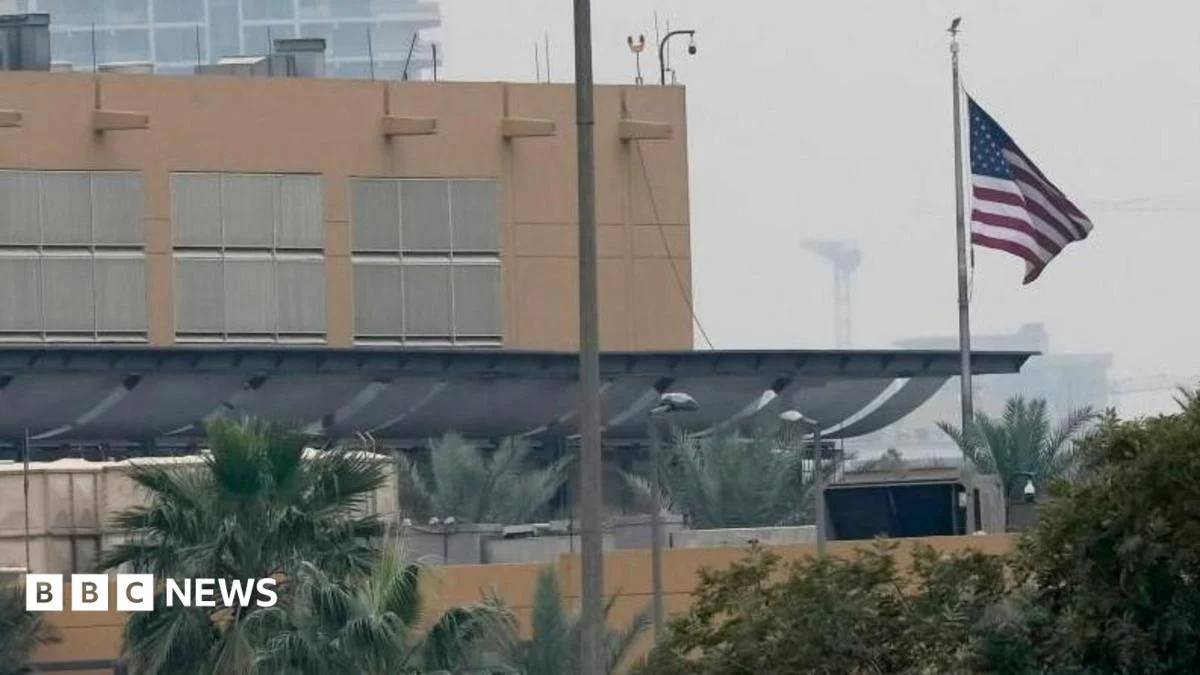
Confirmation of the conflict’s immediate impact emerged early Saturday morning. Explosions and air raid sirens were reported in Doha, the capital of Qatar, which hosts a significant US military facility. Qatar’s Ministry of Defence subsequently confirmed it had intercepted Iranian missiles, indicating a direct engagement in the conflict. Concurrently, Bahraini state news reported that the service center for the US Navy’s 5th Fleet, a critical strategic asset in the Gulf nation, had been "subjected to a missile attack," further solidifying the breadth of Iran’s retaliatory actions and the direct targeting of US interests in the region.
International reactions to the burgeoning conflict have been swift and pointed. Former US President Donald Trump, in a notable public statement, characterized the strikes as the commencement of "major combat operations" and issued a stark call for Iranian government forces to lay down their arms. He further advised Iranian citizens to seek shelter until the military operation had concluded, signaling a robust and uncompromising stance from a key international figure. In stark contrast, Iran’s Supreme National Security Council (SNSC) immediately vowed a "crushing" response to the US-Israeli attacks, underscoring the deep-seated animosity and the perilous trajectory of reciprocal escalation.
The logistical and economic ramifications of the conflict have been immediate and far-reaching, particularly within the global aviation sector. Numerous major airlines operating routes through or within the Middle East have been compelled to divert or cancel flights, citing paramount safety concerns. British Airways, a significant European carrier, announced the cancellation of services to Tel Aviv and Bahrain until Wednesday, along with its Amman, Jordan, service on Saturday. A particularly dramatic incident involved over 200 passengers on a British Airways 20:00 flight to Doha on Friday, which was ordered to return to Heathrow approximately one-third of the way through its journey, illustrating the suddenness and severity of airspace closures.
Virgin Atlantic also confirmed the cancellation of its Heathrow to Dubai flight and cautioned that services to India, Saudi Arabia, and the Maldives might experience extended durations due to mandatory rerouting around hazardous airspace. Wizz Air, a low-cost carrier, has suspended all flights to and from Israel, Dubai, Abu Dhabi, and Amman until the following Saturday, reflecting a conservative approach to passenger and crew safety. Regionally, Qatar Airways confirmed a temporary suspension of flights to and from its capital, Doha, citing the closure of Qatari airspace, while Emirates similarly ceased services to and from Dubai. Heathrow Airport, the UK’s busiest aviation hub, proactively urged all travelers to consult their respective airlines for real-time updates, acknowledging the fluidity of the situation. The ripple effect of these cancellations extends beyond immediate travel plans, impacting global supply chains, tourism, and energy logistics.
Domestically, the UK’s political landscape has seen responses aligning with key international allies. Conservative leader Kemi Badenoch publicly expressed solidarity with the US and Israel, stating her unequivocal support "as they take on the threat of the Islamic Republic of Iran and its vile regime." This statement reflects a segment of British political opinion that views Iran as a primary destabilizing force in the region and supports assertive action to counter its influence.
The broader geopolitical context for this crisis is rooted in decades of regional tensions, the enduring Israeli-Palestinian conflict, and the protracted rivalry between Iran and a coalition of Western and Sunni Arab states. Iran’s nuclear program has been a persistent source of international concern, with fears that it could lead to the development of nuclear weapons, thereby triggering a regional arms race. The failure of diplomatic efforts to contain this program has now culminated in direct military confrontation, a scenario long feared by international observers.
Moreover, the strikes cannot be viewed in isolation. They are intertwined with a complex web of proxy conflicts across the Middle East, where Iran supports various non-state actors in Lebanon (Hezbollah), Yemen (Houthis), Syria (pro-regime militias), and Iraq (various Shiite militias). These proxy engagements have frequently drawn the US and its allies into confrontations, creating a volatile environment ripe for escalation. The current direct strikes risk transforming these proxy skirmishes into a full-scale, multi-front conflict.
Looking forward, the implications of this military escalation are profound and far-reaching. The immediate risk of a wider regional war is critically high, with potential for further retaliatory cycles that could engulf additional nations. The Strait of Hormuz, a vital chokepoint for global oil shipments, could be jeopardized, leading to unprecedented spikes in oil prices and significant disruptions to the global economy. Humanitarian consequences, including mass displacement and increased civilian casualties, are also a grave concern.
Diplomatic pathways, though severely strained, remain essential. The international community, including the United Nations and various global powers, will be under immense pressure to de-escalate the situation, establish channels for communication, and seek a mediated solution. However, given the entrenched positions and the direct military actions undertaken, the prospects for a swift resolution appear challenging. The long-term stability of the Middle East, and indeed global security, hinges on how this critical juncture is navigated by all parties involved. The Cobra meeting chaired by Prime Minister Starmer represents the UK’s immediate strategic response to a crisis that has the potential to reshape the global geopolitical order.



 Aura Kasih
 Safa Marwah
 Ayu Aulia