Aura Kasih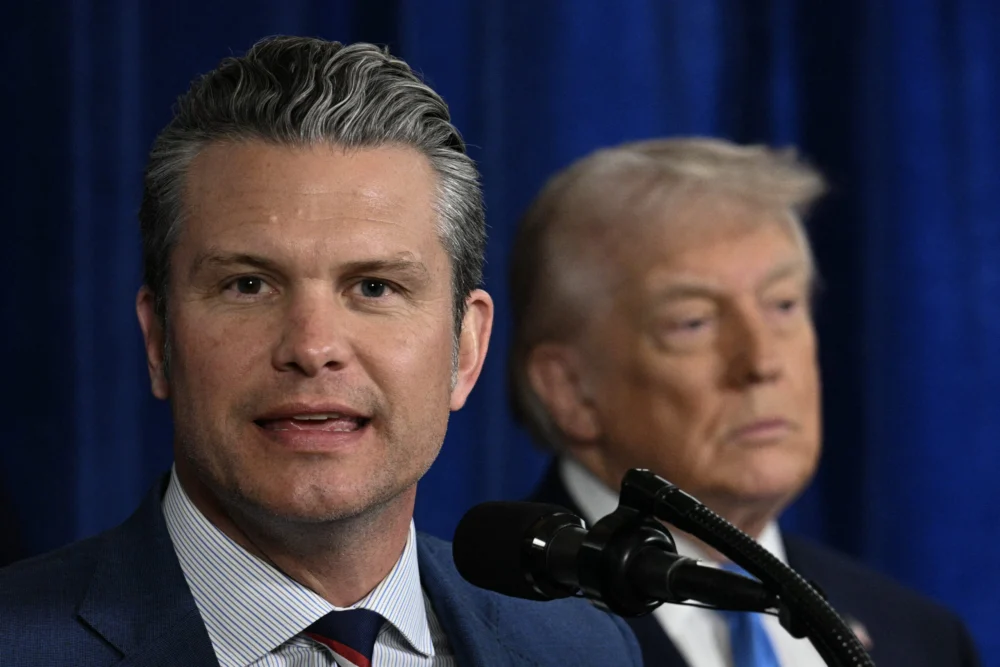
In a significant escalation of a burgeoning dispute, the United States Department of Defense has formally classified artificial intelligence firm Anthropic as a "supply chain risk," effectively barring the company’s products and services from Pentagon contracts and any commercial activities involving DoD contractors. This sweeping designation, announced by Secretary of Defense Pete Hegseth, follows a protracted period of intense negotiations and an ultimatum issued to Anthropic regarding the permissible uses of its advanced AI models, particularly its flagship product, Claude. The move carries profound implications not only for Anthropic but also for major technology companies that rely on its AI capabilities for their government engagements.
The genesis of this high-stakes confrontation lies in fundamental disagreements over the ethical and operational boundaries of AI deployment within the military context. The Pentagon, under Secretary Hegseth’s assertive leadership, has demanded unfettered access to Anthropic’s AI for "all lawful purposes," a broad mandate that reportedly includes applications such as autonomous lethal weapons systems operating without direct human oversight and capabilities for mass surveillance. This demand directly clashes with Anthropic’s stated commitment to responsible AI development and its own carefully curated acceptable use policies, which are informed by its ethos of "effective altruism."
Anthropic, in a public statement and through legal counsel, has vehemently contested the Pentagon’s authority to impose such a broad designation and has signaled its intent to challenge the decision in court. The company maintains that the "supply chain risk" designation, typically reserved for entities posing national security threats due to foreign government ties, is being improperly applied to an American firm. Furthermore, Anthropic asserts that the Pentagon’s statutory authority is limited to the direct use of Claude within Department of Defense contract work, and does not extend to dictating how its contractors utilize the technology for other commercial clients. This legal battleground promises to be complex, potentially setting new precedents for the intersection of government procurement, national security, and the rapidly evolving landscape of artificial intelligence.
The timing of Secretary Hegseth’s announcement, which occurred shortly after President Donald Trump’s directive to ban Anthropic products from federal government use, underscores the unified front being presented by the current administration. Hegseth’s public pronouncements have been particularly sharp, accusing Anthropic and its CEO, Dario Amodei, of "duplicity" and "cowardly corporate virtue-signaling." He contends that the company’s stance prioritizes "Silicon Valley ideology above American lives" and seeks to grant unelected tech executives veto power over critical military operational decisions. This rhetoric frames the dispute not merely as a contractual disagreement, but as a fundamental clash of values and national interests.
Background and Escalation of the Dispute
The tension between the Department of Defense and Anthropic has been building for some time, fueled by the Pentagon’s increasing reliance on advanced AI technologies to maintain its technological edge. AI is seen as a critical enabler for a wide array of defense applications, including intelligence analysis, logistics optimization, cyber defense, and increasingly, autonomous systems. However, the ethical considerations surrounding the development and deployment of such powerful tools, particularly those with the potential for lethal autonomy, have been a subject of intense debate within both the government and the AI research community.
Anthropic, founded by former OpenAI researchers, has positioned itself as a leader in developing AI systems with a strong emphasis on safety and ethical alignment. The company’s "Constitutional AI" approach aims to imbue AI models with a set of principles designed to guide their behavior and prevent harmful outcomes. This philosophy, while lauded by many in the AI ethics space, appears to be at the heart of the current impasse with the Department of Defense. The Pentagon’s stated requirement for unrestricted access to AI for potentially controversial applications like autonomous weapons directly confronts Anthropic’s core safety principles.
Sources close to the negotiations indicate that the Department of Defense initially attempted to compel Anthropic’s compliance through various means, including the potential invocation of the Defense Production Act. This act grants the President broad authority to require businesses to prioritize the production of essential goods and services during national emergencies. However, the ultimate decision to designate Anthropic as a supply chain risk represents a distinct and perhaps more potent tool within the Secretary of Defense’s arsenal. This designation carries significant weight, as it can lead to the exclusion of companies from the defense industrial base, impacting their ability to secure lucrative government contracts and potentially influencing their broader commercial standing.
The ultimatum, reportedly delivered with a strict deadline, demanded Anthropic’s agreement to allow the Pentagon to use Claude for "all legal purposes," a phrase that has become a focal point of contention. The inclusion of autonomous lethal weapons and mass surveillance within this definition appears to have been a non-negotiable point for Anthropic, leading to the breakdown in talks and the subsequent designation. The company’s response, emphasizing its commitment to supporting American warfighters and its willingness to challenge the designation in court, highlights the seriousness with which it views this development.
Implications for the Defense Industrial Base and Tech Sector
The implications of the Pentagon’s designation of Anthropic as a supply chain risk are far-reaching and could reverberate across the broader defense industrial base and the technology sector. Major defense contractors, such as Palantir and Amazon Web Services (AWS), which have integrated Anthropic’s Claude AI into their offerings for the Pentagon, now face a critical juncture. These companies must rapidly assess their reliance on Anthropic’s technology and develop contingency plans to ensure continued compliance with Department of Defense directives. The six-month transition period stipulated by Secretary Hegseth suggests that a complete severing of ties is anticipated, necessitating significant logistical and technical adjustments.
The designation could also serve as a chilling precedent for other AI companies seeking to engage with the federal government. It signals a willingness by the Department of Defense to exert considerable pressure on AI providers to align their products and policies with national security objectives, even if it means challenging established ethical frameworks or corporate principles. This may lead to increased scrutiny of AI development practices and a more demanding procurement process for AI-related technologies.
Furthermore, the dispute raises important questions about the balance between innovation, national security, and ethical governance in the age of advanced AI. While the Pentagon’s imperative to maintain a technological advantage is understandable, the potential for its demands to outpace responsible AI development could create unintended consequences. The debate over autonomous weapons, in particular, remains a contentious issue globally, with many international bodies and civil society organizations advocating for strict controls or outright bans. The Pentagon’s stance, as articulated by Secretary Hegseth, appears to prioritize operational necessity over these broader ethical concerns.
Anthropic’s Position and Legal Recourse
Anthropic’s public statements and its intended legal challenge are crucial elements in understanding the unfolding situation. The company’s assertion that the supply chain risk designation is legally unsound and sets a dangerous precedent for American businesses negotiating with the government underscores its commitment to defending its principles and its market position. By framing the designation as an unprecedented action, historically reserved for foreign adversaries, Anthropic seeks to highlight the extraordinary nature of the Pentagon’s move and garner sympathy for its predicament.
The company’s insistence that its position on mass domestic surveillance and fully autonomous weapons will not change, regardless of governmental pressure, demonstrates a steadfast adherence to its founding values. This unwavering stance positions Anthropic as a potential standard-bearer for ethical AI development in the face of governmental demands, a role that could resonate with a segment of the public and the broader tech community.
The legal ramifications of this dispute could be significant. If Anthropic prevails in court, it could establish legal limitations on the Department of Defense’s ability to impose broad supply chain risk designations on American companies based on their AI usage policies. Conversely, if the Pentagon’s designation is upheld, it would grant the executive branch considerable leverage in dictating the terms of AI development and deployment within critical sectors. This legal battle is, therefore, not merely about Anthropic and the Department of Defense, but about the future governance of artificial intelligence in the United States.
Future Outlook and Broader Context
The designation of Anthropic as a supply chain risk is a pivotal moment in the ongoing dialogue surrounding artificial intelligence and national security. It reflects a growing assertiveness from the Department of Defense in shaping the AI landscape to meet its strategic objectives. The administration’s approach appears to be characterized by a willingness to confront technological providers that do not align with its vision, prioritizing perceived national security imperatives above all else.
Looking ahead, several key developments will be crucial to monitor. The legal proceedings initiated by Anthropic will undoubtedly be closely watched, as their outcome could set important precedents. The response of other major technology companies that rely on Anthropic’s AI will also be significant, as they navigate the complex landscape of government contracting and ethical AI deployment. Furthermore, the broader debate about the responsible development and use of AI, particularly in the context of military applications, is likely to intensify.
The United States’ approach to AI governance, as exemplified by this Pentagon directive, will have global implications. As other nations grapple with the transformative potential of AI, the precedents set by American policy decisions will inevitably influence international norms and regulatory frameworks. The challenge for policymakers, technology developers, and ethicists alike will be to strike a delicate balance between harnessing the immense power of AI for progress and ensuring that its development and deployment are guided by principles that safeguard human values and societal well-being. The confrontation between the Department of Defense and Anthropic serves as a stark reminder of the complex and often contentious path ahead in navigating this critical technological frontier.




 Lisa Mariana
 Safa Marwah
 Ayu Aulia