Lisa Mariana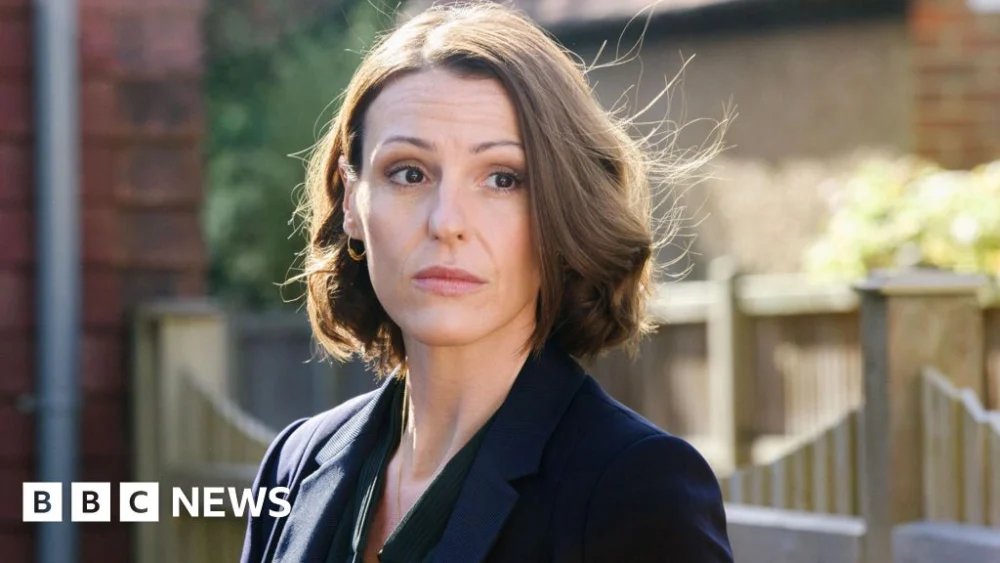
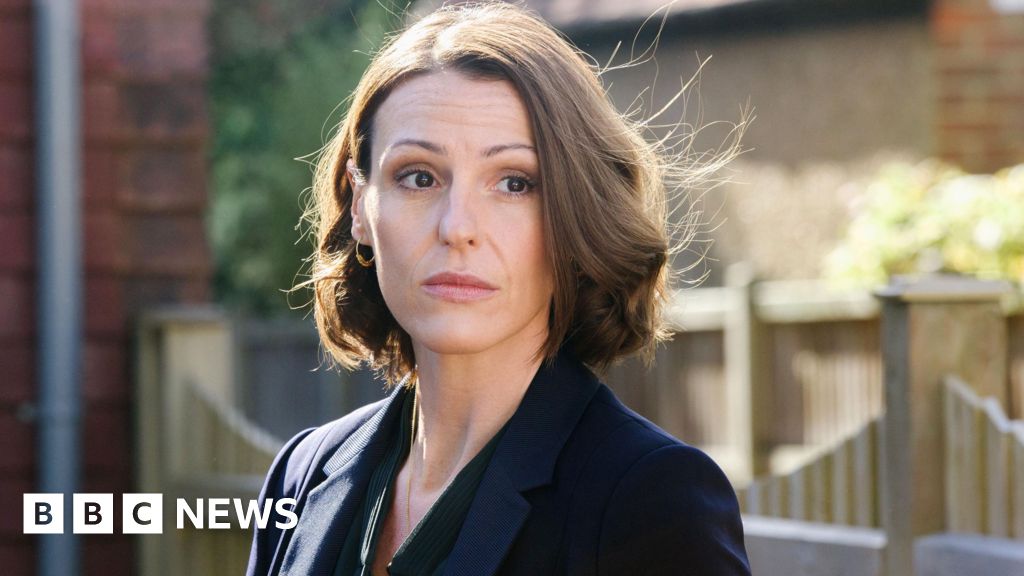
The critically lauded psychological drama, Doctor Foster, is poised for a significant return, with its lead, Suranne Jones, confirming her involvement in a third and final series slated to conclude the compelling narrative that has captivated audiences for nearly a decade. This announcement signals the revival of one of British television’s most impactful explorations of marital betrayal, professional ethics, and personal retribution, promising a definitive resolution to the complex saga of Dr. Gemma Foster. The BBC has officially commissioned five new episodes, marking the end of a protracted hiatus since the second series captivated millions in 2017, and reigniting anticipation for the dramatic culmination of a deeply resonant story.
Suranne Jones is set to reprise her iconic role as Dr. Gemma Foster, a general practitioner whose seemingly idyllic life in the fictional town of Parminster was irrevocably shattered by the discovery of her husband’s infidelity. The new series finds Gemma still practicing medicine and residing in her familiar home, on the precipice of a new chapter as she prepares for marriage. However, the narrative is quickly established to introduce a significant challenge: as her wedding day approaches, specters from her tumultuous past are slated to re-emerge, threatening not only her newfound happiness but also her professional standing and personal reputation. This setup promises a return to the intense psychological tension and moral dilemmas that defined the show’s earlier installments, forcing Gemma to confront the lingering consequences of her previous choices and entanglements.
Jones herself articulated a profound sense of timeliness regarding her return, stating that the decision felt inherently correct after a period of reflection. She underscored the necessity of a substantial temporal distance from the initial two series, a gap that has now allowed for critical narrative developments, particularly the maturation and re-entry of Tom, Gemma and Simon’s son, who now returns as an adult burdened with unresolved questions and a demand for answers. For Jones, the thematic core of this concluding series revolves around accountability and profound inquiry: exploring whether individuals can ever truly detach themselves from past traumas and the damage inflicted, thereby achieving genuine progress and closure. The actress highlighted the substantial emotional and psychological baggage that both Gemma and Simon carry, suggesting a deep dive into their unresolved conflicts and mutual responsibilities. This focus on "unpicking" their complicated history points towards a psychologically rich narrative that promises to delve into the enduring impact of their fractured relationship on all involved.
The ensemble cast sees the return of key figures essential to the Doctor Foster universe. Bertie Carvel will once again portray Simon Foster, Gemma’s ex-husband and the catalyst for much of the series’ central conflict, whose presence is integral to the unresolved issues that plague Gemma. Tom Taylor, who portrayed Tom as a younger character, will now return in an adult capacity, signifying a crucial evolution in the family dynamic and likely serving as a conduit for exploring intergenerational trauma and the search for identity amidst parental discord. Production for this highly anticipated third series is scheduled to commence in Hertfordshire later this spring, with Mike Bartlett, the original writer, creator, and executive producer, once again at the helm. Bartlett’s continued involvement assures a consistent creative vision, maintaining the distinctive narrative voice and intense dramatic quality that characterized the preceding installments.
The initial series of Doctor Foster, which first aired in 2015, quickly established itself as a cultural phenomenon, drawing in audiences with its unflinching portrayal of a woman’s meticulous unraveling of her husband’s infidelity. The narrative journey saw Dr. Gemma Foster transform from a seemingly naive and trusting wife into a formidable force driven by a desire for truth and retribution, often pushing the boundaries of conventional morality. Its immediate success paved the way for a second series in 2017, which escalated the psychological warfare between Gemma and Simon, culminating in a finale that drew nearly 10 million viewers, solidifying its status as a ratings powerhouse and a topic of national conversation. The show’s impact extended beyond viewership figures, garnering critical acclaim and numerous accolades, including multiple National Television Awards. Suranne Jones’s powerful and nuanced performance as Gemma Foster was particularly lauded, earning her a BAFTA TV Award for Best Actress in 2016, a testament to her profound embodiment of the character’s complex emotional landscape.
The enduring resonance of Doctor Foster can be attributed to its astute exploration of universal themes: betrayal, trust, revenge, and the societal pressures placed on women. It sparked widespread discussions about the intricacies of marriage, the psychological toll of infidelity, and the challenging path to recovery and self-redefinition. The series dared to depict a female protagonist who, rather than passively accepting her fate, actively sought to dismantle the deceit around her, often employing morally ambiguous tactics that challenged audience perceptions of victimhood and agency. This bold narrative approach, coupled with sharp dialogue and relentless pacing, positioned Doctor Foster as a benchmark in modern British television drama.
Mike Bartlett’s vision for the final installment promises a culmination of these themes, with the writer expressing his long-held desire to conclude Gemma’s story, framing it as a quest for justice in an inherently unjust world. His remarks hint at a narrative rich with "secrets, betrayals, and vengeance," elements that have consistently driven the series’ dramatic tension. Bartlett’s playful reference to "perhaps one last dinner party" immediately evokes one of the most iconic and emotionally charged scenes from the second series, where Gemma orchestrates a masterclass in psychological manipulation and public humiliation. This allusion suggests that the final series will likely feature another climactic confrontation, a theatrical setting for the ultimate reckoning between the characters, providing a fittingly intense closure to their protracted conflict. The use of such a potent symbol indicates a deliberate effort to deliver a finale that is both satisfyingly dramatic and thematically resonant, tying back to the show’s most memorable moments.
From an analytical perspective, the return of Doctor Foster after a nine-year interval presents both opportunities and challenges. The extended break allows for genuine character development, particularly for Tom, whose transformation into an adult provides new avenues for exploring the intergenerational impact of his parents’ divorce. It also allows for a fresh perspective on Gemma and Simon’s relationship, moving beyond immediate raw emotion to a more reflective, perhaps even weary, engagement with their shared history. The central question of accountability, as highlighted by Jones, suggests a deeper psychological dive into the characters’ culpability and their capacity for genuine reconciliation or, conversely, ultimate separation. The narrative will likely explore the long-term psychological effects of their past actions, examining whether true healing or forgiveness is attainable after such profound ruptures.
The decision to bring back a highly successful drama after a significant hiatus reflects a broader trend in the television industry, where beloved series are often revived to capitalize on established fanbases and proven narrative appeal. For the BBC, the return of Doctor Foster represents a strategic move to re-engage a substantial audience with a prestigious, award-winning drama. It underscores the enduring value of character-driven storytelling and the power of a compelling lead performance. The challenge, however, lies in delivering a conclusion that satisfies the high expectations cultivated over two intense series, providing a sense of finality while maintaining the show’s signature dramatic intensity and thematic depth. The creative team will need to navigate the evolution of television drama over the past decade, ensuring the series remains contemporary and impactful.
As filming commences, anticipation will undoubtedly build for the broadcast date, which the BBC has stated will be announced in due course. The final series of Doctor Foster is not merely a continuation but a definitive conclusion, promising to unravel the last threads of a story that has profoundly resonated with audiences. It is poised to offer a final, intense exploration of human relationships, the consequences of betrayal, and the complex journey towards personal justice and peace. The series’ legacy is already cemented in British television history, and this concluding chapter is set to provide a powerful and memorable denouement to Dr. Gemma Foster’s unforgettable saga.



 Aura Kasih
 Safa Marwah
 Ayu Aulia