Ridwan Kamil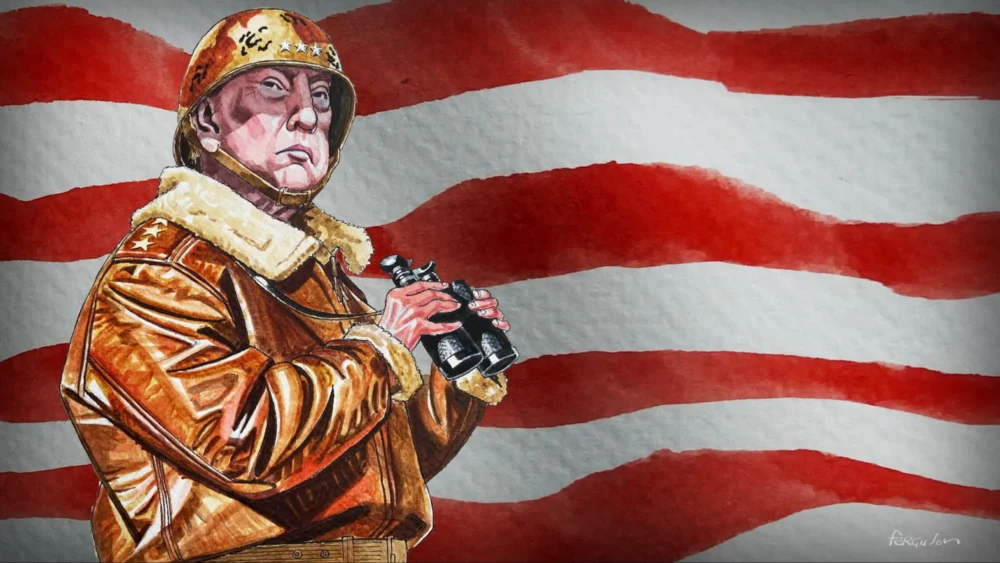
Recent pronouncements and shifts in rhetoric from former President Donald Trump indicate a potentially alarming reorientation towards a more interventionist and assertive foreign policy, a trajectory that carries significant risks for global stability and could precipitate deeply unfavorable outcomes should it translate into future policy decisions. This evolution in his public posture, moving away from a previously expressed skepticism of protracted foreign entanglements, suggests a renewed appetite for military engagement and a willingness to deploy American power more broadly, raising critical questions about the potential consequences for both domestic and international arenas.
The discernible pivot in Donald Trump’s foreign policy discourse represents a significant departure from certain tenets that characterized his previous presidency, particularly the emphasis on an "America First" approach that often signaled a desire to disengage from traditional alliances and costly overseas commitments. This shift, however, is not a wholesale abandonment of his core principles but rather a recalibration, seemingly driven by a reassessment of perceived threats and a potential desire to project an image of strength and decisiveness on the global stage. Observers note a growing willingness to engage with the complexities of geopolitical rivalries, a stance that could manifest in increased military aid to allies, a more robust posture against adversaries, and a willingness to contemplate the use of force as a primary diplomatic tool.
This evolving perspective warrants a thorough examination of its potential ramifications. Historically, a heightened inclination towards military solutions has often led to prolonged conflicts, significant human and financial costs, and unintended destabilizing effects. The historical record is replete with instances where aggressive foreign policy stances, driven by perceived national interests or a desire to project dominance, have escalated tensions, fueled regional instability, and ultimately failed to achieve their stated objectives. The implications of such a resurgence of belligerence from a figure with significant global influence are therefore multifaceted and demand careful consideration.
One of the primary concerns surrounding this shift is the potential for increased global tensions. A more interventionist American foreign policy under Trump could be interpreted by various global actors as a signal of renewed assertiveness, potentially leading to a more volatile international environment. Nations that perceive themselves as being in direct opposition to American interests might respond with increased militarization or by forging stronger alliances with other powers, thereby exacerbating existing geopolitical fault lines. This dynamic could also strain relationships with traditional allies, who may harbor reservations about the wisdom and efficacy of aggressive military approaches, particularly if such policies are perceived as unilateral or lacking in multilateral consensus.
Furthermore, the economic implications of a more interventionist foreign policy are substantial. Sustained military engagements, increased defense spending, and the potential for new conflicts invariably carry significant financial burdens. These costs can manifest in increased national debt, diversion of resources from domestic priorities, and potential disruptions to global trade and economic stability. The historical precedent of costly military interventions underscores the long-term economic consequences that can arise from a more hawkish foreign policy. Such expenditures, particularly if not accompanied by clear strategic objectives and achievable outcomes, can strain national budgets and divert critical resources away from areas such as infrastructure development, healthcare, and education.
The human cost of increased conflict is perhaps the most profound concern. Any escalation of military involvement, whether through direct intervention or increased support for proxy conflicts, inevitably leads to loss of life, displacement of populations, and immense suffering. A foreign policy that leans heavily on military solutions risks exacerbating existing humanitarian crises and creating new ones. The ethical considerations surrounding the deployment of military force, particularly when considering the potential for civilian casualties and long-term societal disruption in affected regions, are paramount.
The potential impact on democratic norms and international institutions also warrants attention. A foreign policy that prioritizes unilateral action and military might can undermine the principles of diplomacy, international law, and multilateral cooperation that have underpinned global stability since the end of World War II. The erosion of these established norms could lead to a more anarchic international system, where power politics and the law of the jungle prevail over established rules and agreements. This could weaken institutions like the United Nations and other international bodies that are designed to foster cooperation and prevent conflict.
The domestic implications of such a foreign policy pivot are also significant. A renewed focus on military interventionism could lead to increased social and political divisions within the United States. Debates over the necessity, cost, and ethical implications of military engagements have historically been contentious, and a more assertive foreign policy could reignite these debates with renewed intensity. The potential for a shift in national priorities, with a greater emphasis on defense spending at the expense of social programs, could also have a profound impact on American society.
Looking forward, the trajectory of Donald Trump’s foreign policy stance will be closely watched by both domestic and international observers. The extent to which this evolving rhetoric translates into concrete policy decisions will be a critical determinant of its ultimate impact. The potential for miscalculation, unintended escalation, and the unforeseen consequences of military action looms large. A thorough and sober assessment of the risks and benefits associated with any move towards greater military interventionism is therefore essential.
The international community will be observing closely to understand the implications of this potential shift. Alliances will be tested, diplomatic strategies will be reassessed, and the global balance of power could be subject to significant adjustments. The challenges of navigating a complex and interconnected world demand careful consideration, strategic foresight, and a commitment to diplomatic solutions. A foreign policy that relies too heavily on the instruments of war risks creating more problems than it solves, potentially leading to a future characterized by heightened conflict and instability.
In conclusion, the evolving foreign policy posture of Donald Trump, marked by a renewed interest in military engagement, presents a complex and potentially perilous landscape. While the motivations behind this shift may be rooted in a perceived need to project strength and address perceived threats, the historical precedents and potential ramifications demand a cautious and critical approach. The risks of increased global tensions, significant economic burdens, profound human suffering, and the erosion of international norms are substantial. A comprehensive understanding of these potential consequences is crucial as the world grapples with the implications of this evolving stance and the future direction of American foreign policy. The wisdom of prioritizing diplomatic solutions, fostering international cooperation, and carefully weighing the costs and benefits of military intervention will be paramount in navigating the challenges ahead and ensuring a more stable and peaceful global order.


 Lisa Mariana
 Aura Kasih
 Safa Marwah
 Ayu Aulia