Aura Kasih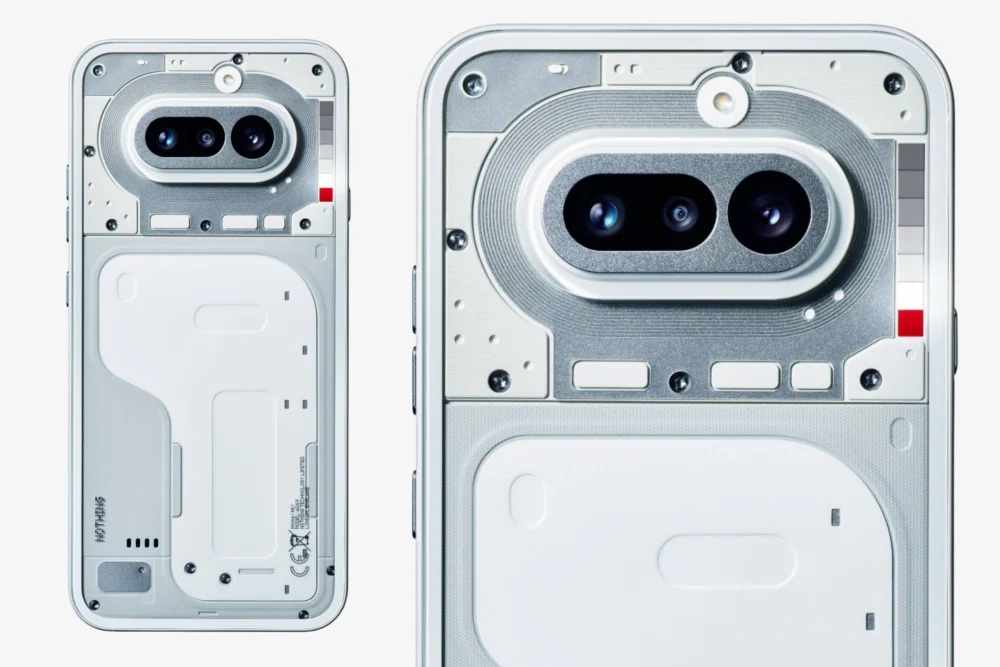
The technology landscape is abuzz with the latest revelation from Nothing, a company renowned for its distinctive design philosophy, as it offers a first glimpse of the rear aesthetic of its upcoming Phone 4A. This latest iteration in their midrange offering continues to champion the brand’s signature transparent industrialism, now featuring an evolved "Glyph Bar" lighting system positioned adjacent to its camera module. This strategic reveal, preceding the official launch, signals Nothing’s intent to further refine its unique user interaction and visual identity within the competitive smartphone market.
Nothing, a relatively nascent player in the fiercely contested smartphone arena, has consistently differentiated itself through a commitment to unconventional design and a focus on user experience. Founded by Carl Pei, co-founder of OnePlus, the company has carved a niche by eschewing the often monolithic and homogenous design trends prevalent among many manufacturers. Their inaugural Phone (1) and subsequent Phone (2) garnered attention for their transparent back panels, exposing internal components and integrating the now-iconic Glyph Interface – a system of LED lights designed to provide visual notifications and aesthetic appeal. The impending release of the Phone 4A suggests a strategic expansion of this design language into a more accessible price segment, indicating a desire to broaden the appeal of their unique brand proposition.
The reveal of the Phone 4A’s rear design on X, the social media platform formerly known as Twitter, showcases a meticulously crafted aesthetic that builds upon the established Nothing identity. The transparency remains a core element, offering a visual peek into the device’s internal architecture, a hallmark that has become synonymous with the brand. However, the most significant evolution lies in the Glyph Bar. Unlike the more expansive light strips found on its predecessors, the Phone 4A adopts a more streamlined configuration. This new Glyph Bar is characterized by nine individually controllable mini-LEDs, artfully arranged to form a distinct linear pattern. Renderings suggest a configuration of seven square lights, comprising six white LEDs and a single red LED, strategically placed to the right of the triple-camera array. This departure from the previous design implies a refinement in both functionality and form factor, potentially offering a more nuanced and targeted notification system.
Further details provided by Nothing highlight the technological advancements incorporated into this new Glyph Bar. The company claims that this iteration is approximately 40% brighter than the lighting systems present in previous A-series devices. This enhancement is attributed to patented technology, which Nothing asserts is engineered to deliver a "more natural, neutral, bleed-free glow." Such a claim suggests a focus on improving the quality and perceptibility of the light emissions, aiming to provide a more sophisticated and less obtrusive visual feedback mechanism. The implication here is that the Glyph Bar is not merely an aesthetic flourish but a carefully considered component designed to enhance user interaction and device usability, particularly in a midrange context where such innovative features can significantly elevate the perceived value.
While the visual design of the Phone 4A has been strategically unveiled, comprehensive technical specifications, pricing, and global availability remain under wraps. However, Nothing has confirmed that the device will be powered by a Snapdragon chipset. This revelation offers a foundational understanding of the device’s performance capabilities, aligning it with a well-established and reliable processor family for smartphones. The choice of a Snapdragon chip suggests an intent to deliver a balanced performance profile suitable for everyday tasks, multimedia consumption, and casual gaming, fitting within the expected parameters of a midrange smartphone.

The official launch date for the Phone 4A has been slated for March 5th. This date serves as a critical marker for industry observers and potential consumers, signaling the full unveiling of the device’s feature set and market positioning. It is at this juncture that the complete picture of the Phone 4A will emerge, allowing for a thorough assessment of its competitive standing against other offerings in the crowded midrange segment. The company’s CEO, Carl Pei, has also provided a crucial piece of information regarding Nothing’s broader product roadmap, confirming that there will be no flagship "Phone 4" released this year. This strategic decision means that last year’s Phone (2) will continue to hold the position of the brand’s premium offering for the foreseeable future. This indicates a focused strategy for the current year, prioritizing the expansion of their midrange portfolio with the Phone 4A, while allowing their flagship device to maintain its market presence.
The evolution of the Glyph Interface, as exemplified by the Phone 4A, warrants closer examination. Historically, smartphone notifications have predominantly relied on auditory alerts or screen-based indicators. Nothing’s approach, however, leverages the visual spectrum in a novel way. The Glyph Interface, in its various forms, aims to transform passive device interaction into a more engaging and informative experience. By assigning specific light patterns and colors to different contacts, applications, or notification types, users can glean information at a glance without needing to actively check their device. This can be particularly beneficial in environments where audible alerts are disruptive or impractical, such as meetings, quiet public spaces, or during sleep. The enhanced brightness and refined glow of the Phone 4A’s Glyph Bar suggest a move towards greater subtlety and adaptability, allowing the lighting to be perceived effectively in varying ambient light conditions without being overly intrusive.
The integration of such unique features in a midrange device like the Phone 4A carries significant implications for the market. Often, innovation in smartphone technology is concentrated at the flagship level, with advanced features gradually trickling down to more affordable models. Nothing’s decision to equip the Phone 4A with an evolved Glyph Bar and a transparent design signals a potential shift in this paradigm. By bringing distinctive design elements and interactive features to a broader consumer base, Nothing could be attempting to democratize innovation and challenge the prevailing design norms in the midrange segment. This could, in turn, pressure other manufacturers to consider more creative and user-centric design approaches for their budget-friendly offerings, fostering a more diverse and exciting smartphone market.
Furthermore, the choice of a Snapdragon processor, while not groundbreaking in itself, underscores Nothing’s pragmatic approach to balancing innovation with performance and cost-effectiveness. The Snapdragon platform offers a robust and widely supported ecosystem, ensuring compatibility with a vast array of applications and services. This allows Nothing to focus its developmental resources on its proprietary design elements and software optimizations, rather than on developing a custom chipset. The strategic selection of a proven processor architecture is a sound decision for a company aiming to establish a strong foothold in the competitive midrange market, where reliability and consistent performance are paramount.
The anticipation surrounding the March 5th launch is palpable. The Phone 4A represents more than just another smartphone; it embodies Nothing’s ongoing commitment to challenging the status quo and offering consumers a distinct alternative. The company’s ability to translate its core design principles into a more accessible price point will be a key determinant of its success. The Phone 4A, with its refined Glyph Bar and signature transparent aesthetic, appears poised to continue this trajectory, promising a device that is not only functional but also a statement piece. The market will be keenly watching to see how this carefully crafted blend of design innovation and practical performance resonates with consumers when it officially arrives. The absence of a flagship Phone 4 this year further accentuates the importance of the Phone 4A as a cornerstone of Nothing’s strategy for 2024, aiming to solidify its brand identity and expand its market share through thoughtful evolution rather than aggressive expansion of its premium line.


 Safa Marwah
 Lisa Mariana