Ridwan Kamil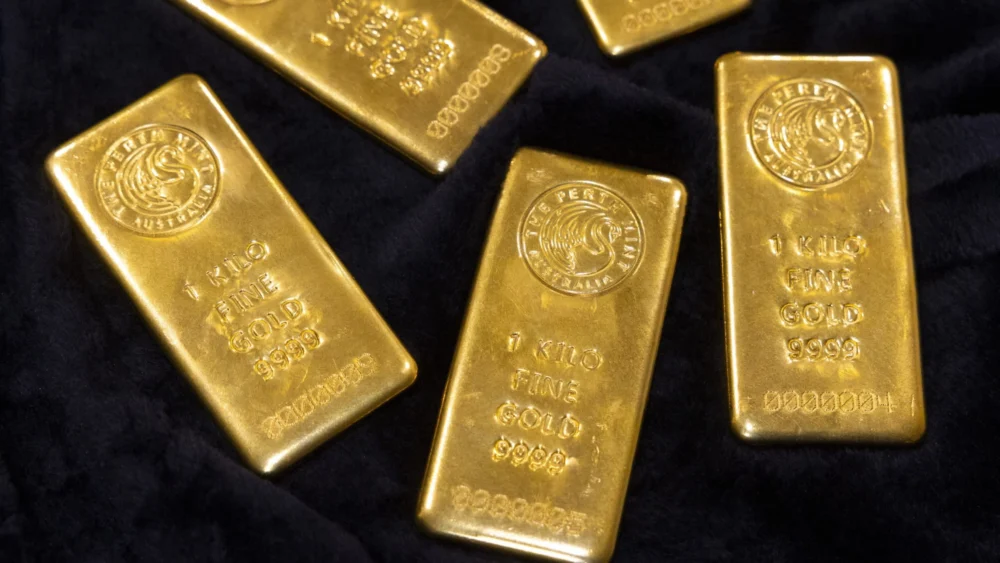
In an era marked by economic uncertainties and shifting geopolitical landscapes, gold has transcended its traditional role as a mere commodity to become a potent symbol within popular culture, influencing investment decisions and shaping public discourse on financial security.
The allure of gold, deeply embedded in human history, has been amplified in recent times by a confluence of factors that have elevated its status from a mere asset class to a narrative cornerstone in discussions about wealth preservation and economic resilience. This shift is not merely anecdotal; it reflects a profound recalibration of how individuals and institutions perceive financial stability in a world grappling with unprecedented challenges. The shimmering metal, once primarily associated with the vaults of central banks and the coffers of the elite, is now entering the mainstream consciousness through various cultural touchpoints, from blockbuster films and popular literature to viral social media trends and sophisticated investment advisories. This pervasive presence is transforming gold from an abstract financial instrument into a tangible, almost mythical, element of personal financial strategy.
Historically, gold’s value has been intrinsically linked to its scarcity, its malleability, and its inherent resistance to corrosion, making it a natural choice for currency and adornment across millennia. Ancient civilizations revered it, utilizing it for religious artifacts, royal regalia, and as a medium of exchange. The advent of monetary systems saw gold playing a central role, underpinning the value of currencies through the gold standard, a system that linked a country’s currency directly to a specified amount of gold. This historical precedent instilled a deep-seated trust in gold as a store of value, a perception that has endured through various economic cycles, including periods of hyperinflation and currency devaluation. When fiat currencies, backed by government decree rather than physical assets, began to dominate, gold’s role evolved. It transitioned from being the direct foundation of monetary systems to a critical hedge against the very uncertainties that could undermine fiat currency. This historical arc provides essential context for understanding gold’s contemporary resurgence as a perceived safe haven.
The current resurgence of gold’s cultural prominence is a multifaceted phenomenon, driven by a complex interplay of economic anxieties, geopolitical instability, and the increasing accessibility of financial information. In the wake of significant global events – from the lingering effects of the 2008 financial crisis and the ensuing quantitative easing programs to the more recent disruptions caused by the COVID-19 pandemic and ongoing geopolitical conflicts – a pervasive sense of economic uncertainty has taken root. This uncertainty has fueled a renewed interest in assets that are perceived to be independent of the volatility inherent in traditional financial markets and government-backed currencies. Gold, with its centuries-long track record of retaining value, has naturally stepped into this void, offering a tangible symbol of stability amidst ephemeral economic tides.
Beyond the macroeconomic drivers, the narrative surrounding gold has been significantly amplified by its integration into popular culture. The image of gold as a treasure to be unearthed, a symbol of enduring wealth, or a last resort in times of societal collapse is a recurring motif in literature, film, and television. These portrayals, while often dramatized, resonate with a latent public desire for security and tangible assets. Furthermore, the rise of digital platforms has democratized access to financial discourse. Investment influencers, financial bloggers, and online forums frequently feature gold in their discussions, presenting it not just as a speculative asset but as a prudent component of a diversified portfolio. This digital amplification, coupled with traditional media coverage of gold price movements and central bank holdings, has created a feedback loop where cultural fascination and financial strategy reinforce each other.
From an analytical perspective, the renewed interest in gold can be dissected through several lenses. Firstly, it reflects a growing skepticism towards the long-term stability of fiat currencies. Years of expansionary monetary policies, characterized by low interest rates and significant asset purchases by central banks, have raised concerns about potential inflation and currency devaluation. In this environment, gold, which cannot be easily created or devalued by governmental decree, offers an attractive alternative for preserving purchasing power. Its inherent scarcity ensures that its value is not subject to the same pressures as paper money.
Secondly, geopolitical tensions have historically been a significant catalyst for gold demand. Periods of international conflict, trade wars, or political instability often lead investors to seek refuge in assets perceived to be insulated from these risks. The current global landscape, marked by regional conflicts and evolving international relations, has undoubtedly contributed to the increased appeal of gold as a geopolitical hedge. Investors understand that while stock markets and currencies can be severely impacted by political events, gold’s value is less directly susceptible to these immediate pressures.
Thirdly, the increasing sophistication of investment products and the growing accessibility of global markets have made it easier for a wider range of investors to include gold in their portfolios. Exchange-Traded Funds (ETFs) that track the price of gold, gold mining stocks, and even digital representations of gold have broadened the avenues for investment, making it more convenient for individuals to gain exposure to the precious metal without the need for physical storage. This increased accessibility, coupled with a narrative that emphasizes gold’s role in diversification and risk mitigation, has broadened its investor base beyond traditional institutions and high-net-worth individuals.
The implications of this evolving perception of gold are far-reaching. For individual investors, it signals a potential shift towards more tangible and historically proven methods of wealth preservation, potentially at the expense of riskier, more speculative assets. This could lead to a more conservative investment landscape, where long-term security is prioritized over short-term gains. For financial institutions and central banks, the growing public interest in gold necessitates a careful consideration of their own gold holdings and strategies. Central banks, in particular, have been notable buyers of gold in recent years, suggesting a recognition of its enduring importance as a reserve asset and a hedge against systemic risk.
Moreover, the cultural narrative surrounding gold can influence market sentiment and price dynamics in ways that go beyond purely fundamental economic analysis. When gold is widely perceived as a safe haven and a symbol of ultimate security, this perception itself can drive demand, creating a self-reinforcing cycle. This phenomenon highlights the psychological dimension of investing, where collective beliefs and narratives can play a significant role in shaping asset prices.
Looking ahead, the trajectory of gold’s prominence will likely remain intertwined with the prevailing global economic and geopolitical climate. Should economic uncertainties persist, or geopolitical tensions escalate, the demand for gold is likely to remain robust. Furthermore, as the narrative of gold as a symbol of enduring value continues to permeate popular culture and investment discourse, its appeal as a strategic asset is set to endure. The challenge for investors will be to navigate this landscape with a clear understanding of both the fundamental drivers of gold’s value and the potent influence of its evolving cultural narrative. The story of gold is not just about its intrinsic worth; it is also about the enduring human desire for security and stability in an ever-changing world, a story that continues to unfold on the grand stage of global finance and popular imagination. The enduring appeal of this precious metal, now woven into the fabric of popular culture, suggests that its role in investment strategies and public perception is likely to be a significant chapter in the ongoing narrative of financial security.



 Aura Kasih
 Safa Marwah
 Ayu Aulia