Lisa Mariana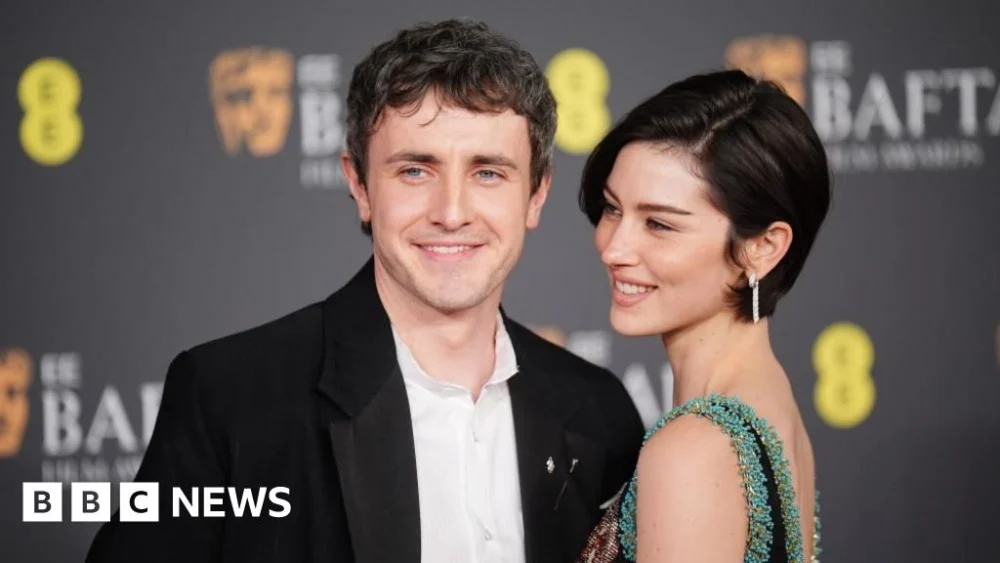
The recent British Academy Film Awards presented a tapestry of unexpected outcomes and memorable occurrences, transcending the conventional glamour of the evening with significant upsets, notable royal engagements, and distinctive moments that resonated deeply within the Royal Festival Hall and the broader cinematic landscape. This year’s ceremony, a focal point for celebrating cinematic excellence, unfolded with a series of noteworthy events that underscore the evolving dynamics of the film industry, from critical reception and distribution paradigms to the intersection of celebrity culture and social advocacy. The insights gathered from behind the scenes offer a comprehensive understanding of the forces at play during one of the most prestigious nights in British cinema.
An Unanticipated Triumph in the Leading Actor Category
One of the most profound and widely discussed moments of the evening involved the surprising victory of Robert Aramayo in the Leading Actor category, an outcome that sent a ripple of astonishment through the assembled industry professionals and media. The 33-year-old Hull native, celebrated for his compelling portrayal in the film I Swear, emerged victorious against Timothée Chalamet, who had been widely considered the undisputed frontrunner for his role in Marty Supreme. Chalamet’s prior accolades and pervasive critical acclaim had established a strong expectation of his triumph, making Aramayo’s win a dramatic testament to the unpredictable nature of awards season. This upset not only highlighted Aramayo’s formidable talent and the impactful narrative of I Swear, but also underscored a potential shift in voting preferences, perhaps favoring nuanced performances from British productions over more commercially prominent, globally recognized contenders.
The ramifications extended beyond individual recognition, as Marty Supreme, despite garnering an impressive eleven nominations, concluded the evening without a single award. This complete shutout for a film with such significant pre-ceremony buzz raised questions regarding its thematic resonance or perceived execution among BAFTA voters. The film’s narrative, which reportedly centered on a protagonist’s relentless pursuit of success often met with elusive outcomes, ironically mirrored its own fate at the awards. Such an emphatic rejection from a major awards body, particularly after widespread anticipation, can spark re-evaluations of critical consensus and influence future strategic considerations for filmmakers and distributors aiming for awards recognition. The presence of Chalamet’s partner, Kylie Jenner, further amplified the media scrutiny surrounding the outcome, adding a layer of celebrity intrigue to an already compelling narrative of unexpected defeat and emergent victory.
Royal Insights into Contemporary Cinema
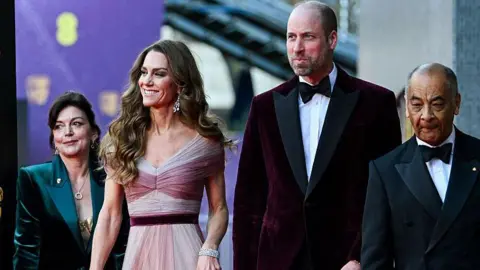
The attendance of the Prince and Princess of Wales added a distinct layer of regality to the BAFTA proceedings, reaffirming the monarchy’s enduring commitment to supporting the arts and British cultural institutions. Prince William, in his capacity as President of BAFTA, played a significant ceremonial role, including delivering a keynote address. However, it was their candid discussions regarding their personal film preferences that provided a rare glimpse into the private viewing habits of the royal couple, fostering a sense of connection with the public audience.
Their backstage conversations revealed a discerning, albeit diverse, cinematic palate. Prince William expressed admiration for an unnamed Formula 1-themed film, specifically citing the "fantastic" musical score by Hans Zimmer as a highlight, indicating an appreciation for the intricate craft of film composition. His admission of not yet having viewed Sinners, describing it as "a bit dark," offers insight into the considerations that guide his leisure viewing choices. Conversely, his assessment of One Battle After Another as "weird" yet good suggests an openness to unconventional storytelling, while his deferral of Hamnet until a "calm state" implies an understanding of the emotional investment required for certain dramatic works. Catherine’s confirmation of having seen Hamnet the day prior, coupled with her acknowledgement of their extensive watchlist, humanized their engagement with contemporary cinema, portraying them not just as patrons but as genuine enthusiasts grappling with the sheer volume of quality productions. Their presence and comments serve to elevate the profile of British film and stimulate public interest, demonstrating the powerful influence of royal endorsement on cultural consumption.
Paddington Bear: A Beloved Icon’s Unexpected Appearance

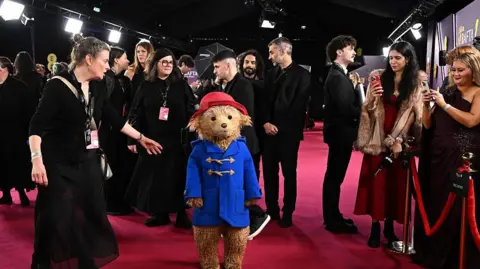
The red carpet at any major awards ceremony is a carefully orchestrated spectacle, yet it often yields moments of spontaneous charm and cultural resonance. This year, one such indelible instance was the appearance of Paddington Bear, the universally adored character from deepest, darkest Peru. His presence, fresh from a successful West End theatrical run, transcended mere novelty, embodying a cherished facet of British identity and delighting both attendees and a global audience.
Paddington’s role as a presenter for the Children’s and Family Film Award was executed with characteristic politeness and a touch of his well-known endearing clumsiness. His declaration of being "the first presenter to get marmalade all over a Bafta" was a delightful, self-aware moment that perfectly encapsulated his persona and provided a lighthearted interlude amidst the evening’s more serious proceedings. The subsequent presentation of the "slightly sticky Bafta" to the film Boong (if a real film, otherwise a placeholder for a generic children’s film) cemented his role as an unconventional yet highly effective awards show personality. His sartorial choice, a blue duffle coat and red hat, a departure from the traditional black-tie dress code, was not merely tolerated but celebrated, underscoring his unique status as a cultural icon whose charm supersedes conventional protocols. Such appearances leverage the power of beloved characters to enhance the ceremony’s appeal, generating viral moments and reinforcing BAFTA’s connection to a broad, intergenerational audience, highlighting the enduring appeal of family-friendly entertainment.
Navigating Sensitivity: Alan Cumming’s Apology for Strong Language
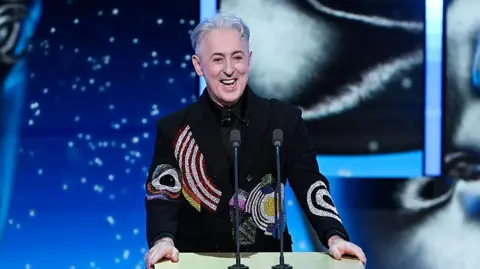
The role of an awards ceremony host demands not only wit and charisma but also a keen awareness of the live environment and an ability to navigate unforeseen circumstances with grace. Alan Cumming, this year’s host, demonstrated this adeptness by addressing instances of strong language during the broadcast, which originated from involuntary verbal tics associated with Tourette’s syndrome. The presence in the audience of John Davidson, whose life with Tourette’s was sensitively portrayed in the award-winning film I Swear, brought this issue to the forefront in a unique and poignant manner.
Cumming’s initial statement, explaining Tourette’s as a disability and its manifestation through involuntary tics, was a critical moment of public education and advocacy. He emphasized the involuntary nature of the language, requesting understanding and a respectful environment for all present. A subsequent, more explicit apology further underscored the seriousness with which the broadcast handled the situation, acknowledging the potential for offense while simultaneously reinforcing the medical understanding of Tourette’s syndrome. The subsequent statement from a BBC spokesperson reiterated these points, clarifying that the language was unintentional and expressing regret for any distress caused. This sequence of events transformed a potentially awkward live broadcast moment into an opportunity for heightened public awareness and a demonstration of empathy. It highlights the growing imperative for major cultural events to be inclusive and to educate audiences about diverse human experiences, reflecting a broader societal movement towards greater understanding and acceptance of neurodiversity and disabilities.
The Evolving Landscape of Film Distribution and Awards Eligibility

The BAFTA ceremony also brought into sharp relief the ongoing tension between traditional theatrical release models and the burgeoning influence of streaming platforms, particularly exemplified by the acclaimed KPop Demon Hunters. Despite achieving massive viral success and widespread popularity on Netflix, the film was ineligible for a BAFTA award due to the academy’s specific eligibility criteria, which typically mandate a prior theatrical release in the UK before a streaming debut. This rule, designed to preserve the traditional cinematic experience, increasingly clashes with contemporary viewing habits and evolving distribution strategies.
However, the cultural impact of KPop Demon Hunters was still acknowledged through a vibrant live performance of its hit song "Golden" by the film’s vocalists, underscoring the film’s undeniable resonance even without formal awards recognition. This segment served as a powerful reminder of the global reach and influence of K-Pop, demonstrating its successful crossover into the animated film genre and its ability to captivate diverse audiences worldwide. Beyond this dynamic performance, the ceremony also featured a more somber, yet equally impactful, musical tribute during the "In Memoriam" segment. Jessie Ware’s poignant rendition of Barbra Streisand’s "The Way We Were" honored a distinguished list of film luminaries who passed away in the preceding year, including iconic figures such as Catherine O’Hara, Rob Reiner, Brigitte Bardot, Val Kilmer, Gene Hackman, and Robert Redford. This segment serves as a crucial historical touchstone, connecting the present celebration with the rich legacy of cinema and acknowledging the profound contributions of those who shaped its past. The juxtaposition of a contemporary, streaming-era musical performance with a classic tribute highlights the dual responsibilities of awards ceremonies: celebrating current achievements while reverently honoring cinematic history and its architects.
A Public Debut and a Candid Moment for Paul Mescal and Gracie Abrams
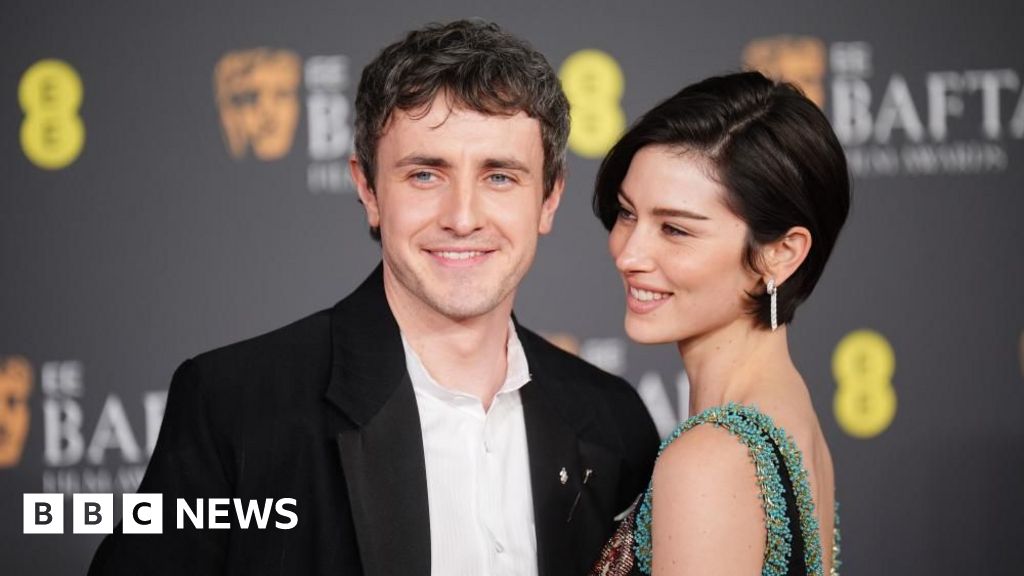
The red carpet at the BAFTA Film Awards often serves as a significant platform for public declarations in the world of celebrity, and this year, it marked a notable moment for actor Paul Mescal and musician Gracie Abrams. Their joint appearance constituted their "red carpet official" debut, signaling a public affirmation of their relationship and instantly becoming a focal point for media attention and fan speculation. Mescal, known for his compelling performances in films such as Hamnet (for which he was nominated for Best Actor), presented a sophisticated yet understated image in a loose-fitting black suit paired with a crisp white shirt. Abrams, a rising singer-songwriter, complemented his elegance with a striking dark brown dress adorned with a delicate floral green pattern, her ensemble garnering considerable fashion commentary.
Beyond the initial glamour of their public debut, a candid and universally relatable moment unfolded during the ceremony. As the announcement for the Outstanding British Film award loomed, Mescal was subtly caught by host Alan Cumming checking his phone, a fleeting lapse in attention that momentarily flustered the actor. This spontaneous interaction, observed by a live audience and swiftly amplified across social media, served to humanize Mescal, demonstrating that even A-list celebrities are susceptible to the distractions of modern technology and the pressures of a live event. Such unscripted instances often resonate deeply with the public, offering a glimpse behind the polished façade of celebrity and fostering a sense of shared experience. Their joint presence and this memorable interlude underscored the enduring fascination with the confluence of film, music, and celebrity culture, making their red carpet appearance one of the evening’s most talked-about highlights.
The 2024 BAFTA Film Awards, therefore, transcended a mere ceremony of accolades. It served as a multifaceted reflection of the contemporary film industry’s complexities, challenges, and evolving cultural landscape. From unexpected awards decisions that reshaped awards season narratives to poignant moments of social awareness and candid celebrity interactions, the event provided rich material for analysis, demonstrating the enduring power of cinema to provoke, entertain, and engage on multiple levels.




 Aura Kasih
 Safa Marwah
 Ayu Aulia