Ridwan Kamil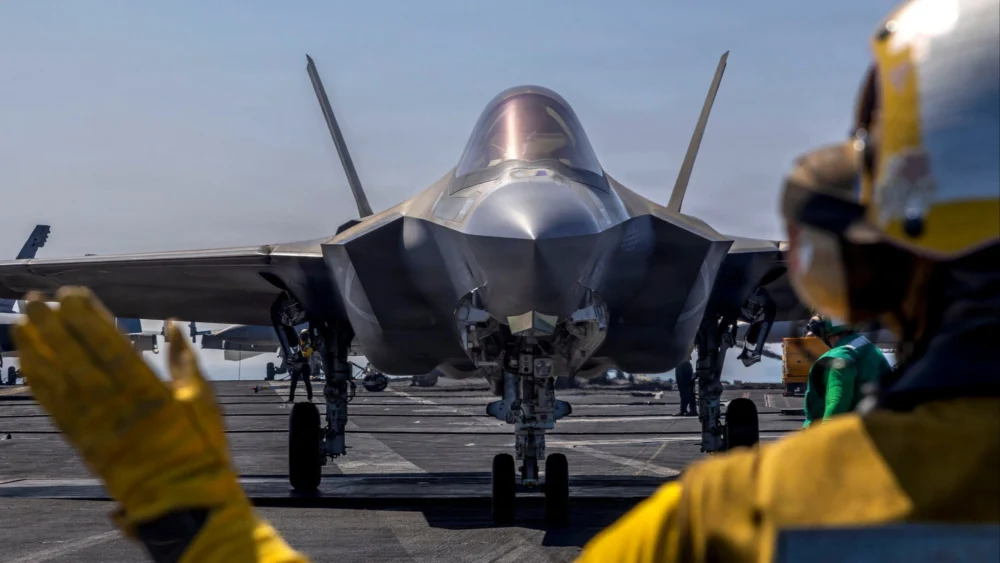
Satellite imagery, analyzed by independent defense observers, has captured a significant and escalating deployment of United States Air Force fighter jets across key strategic locations in the Middle East, indicating a palpable shift in regional security posture and a heightened state of readiness. This surge in aerial assets suggests a proactive response to evolving geopolitical tensions and a reinforcement of American commitment to stability in a volatile theater.
The visual evidence, gleaned from high-resolution satellite photography, paints a clear picture of a substantial augmentation of American air combat capabilities within the Middle East. Numerous airbases, from established hubs to more austere forward operating locations, are now demonstrably hosting a far greater number of advanced fighter aircraft than typically observed in routine operations. This increase is not confined to a single type of aircraft, but rather encompasses a spectrum of modern U.S. Air Force platforms, including but not limited to the F-22 Raptor, F-35 Lightning II, F-15 Eagle variants, and F-16 Fighting Falcons. The sheer volume and diversity of these deployments point towards a comprehensive strategic recalibration, moving beyond incremental adjustments to a more pronounced display of military presence.
The implications of this augmented air presence are multifaceted and resonate across diplomatic, economic, and security domains. On a fundamental level, the deployment serves as a potent signal of deterrence. By visibly increasing its air combat power in the region, the United States aims to dissuade potential adversaries from undertaking aggressive actions that could destabilize critical trade routes, endanger allied nations, or disrupt global energy supplies. The presence of stealth fighters like the F-22 and F-35, in particular, signifies a commitment to maintaining air superiority and conducting operations in highly contested environments, signaling a readiness to counter sophisticated threats.
Furthermore, this surge in fighter jets can be interpreted as a strategic response to a confluence of escalating regional challenges. The ongoing conflicts and proxy wars in various Middle Eastern nations continue to fuel instability. Tensions surrounding Iran’s nuclear program and its regional influence remain a persistent concern for the United States and its allies. Moreover, the persistent threat posed by extremist organizations, though diminished in territorial control, still necessitates vigilant monitoring and rapid response capabilities. The increased air presence allows for more robust intelligence, surveillance, and reconnaissance (ISR) operations, enabling quicker identification and interdiction of potential threats.
The selection of airbases for this deployment is also strategically significant. Reports suggest concentrations of these aircraft in countries bordering volatile zones, as well as in proximity to vital maritime chokepoints like the Strait of Hormuz. This placement optimizes response times for potential contingencies, whether they involve defending against aerial attacks, interdicting illicit arms shipments, or providing close air support for ground operations if necessary. The logistical footprint of such a deployment is substantial, requiring robust support infrastructure, including fuel, maintenance, and personnel, all of which would be meticulously coordinated and positioned.
From an analytical perspective, the scale of this operation suggests a significant reallocation of resources and a potential shift in U.S. defense priorities. While the United States maintains a global military presence, the concentration of advanced fighter assets in the Middle East at this particular juncture warrants close examination. It may indicate a perceived elevated risk level, a response to specific intelligence assessments, or a broader strategy to rebalance forces in anticipation of future geopolitical developments. The economic implications are also considerable, with sustained military deployments requiring significant budgetary allocations for operations, maintenance, and personnel.
The presence of such a formidable air contingent also has a direct impact on regional alliances and partnerships. Allied nations within the Middle East are likely to view this increased U.S. air power as a reassuring demonstration of commitment to their security. Joint exercises and training missions, which invariably accompany such deployments, serve to enhance interoperability between U.S. and partner air forces, strengthening collective defense capabilities and fostering deeper military cooperation. This can bolster confidence and deter aggression from state and non-state actors alike.
However, such a pronounced military buildup is not without its potential downsides. It can be perceived by some regional actors as an escalatory move, potentially triggering reciprocal military increases or heightening existing tensions. The diplomatic discourse surrounding these deployments will be crucial in managing perceptions and ensuring that the message of deterrence does not inadvertently fuel an arms race or lead to miscalculation. Open communication channels and clear articulation of the strategic objectives behind the deployment are paramount to mitigating these risks.
The technological sophistication of the deployed aircraft is a key differentiator. The F-22 Raptor, with its unparalleled stealth capabilities and air-to-air combat prowess, is designed to counter advanced aerial threats. The F-35 Lightning II, a multi-role fighter, offers a combination of stealth, sensor fusion, and network-centric warfare capabilities, enabling it to gather and disseminate critical intelligence across the battlespace. The F-15 and F-16, while older designs, remain highly capable platforms that provide significant combat power and flexibility. The integration of these diverse platforms into a cohesive air campaign underscores the U.S. Air Force’s emphasis on advanced networked warfare.
The operational tempo of these fighter jets will also be a critical factor. Beyond static deterrence, these aircraft are likely to be engaged in a range of activities. This includes, but is not limited to, armed reconnaissance missions, air patrols over sensitive areas, rapid response sorties to counter immediate threats, and potentially offensive operations if deterrence fails. The sustained operational tempo will be a testament to the logistical prowess of the U.S. military and its ability to sustain high-intensity operations far from its continental base.
Looking ahead, the duration and ultimate impact of this surge in U.S. fighter jets in the Middle East will depend on a complex interplay of regional dynamics and international diplomacy. Should tensions subside and diplomatic solutions gain traction, the deployment may be scaled back. Conversely, if regional instability intensifies, the augmented air presence could become a more permanent fixture, shaping the strategic landscape for years to come. The ability of the United States to effectively communicate its intentions, manage regional perceptions, and integrate its air power with diplomatic and economic tools will be crucial in achieving its strategic objectives and fostering long-term security and stability in the Middle East. The satellite imagery serves as a stark, visual indicator of a significant and evolving geopolitical reality, underscoring the enduring importance of air power in modern conflict and deterrence. The increased presence of these advanced aerial assets is not merely a tactical adjustment; it represents a strategic posture shift designed to navigate an increasingly complex and unpredictable global security environment.


 Aura Kasih
 Safa Marwah
 Ayu Aulia