Aura Kasih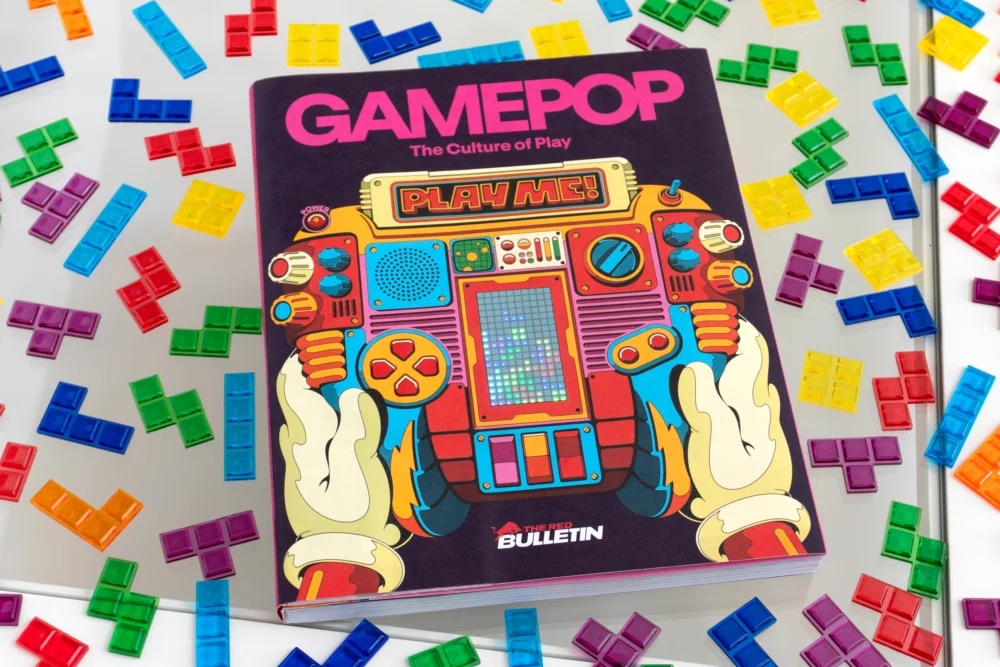
In a groundbreaking fusion of print media and interactive entertainment, Red Bull has introduced the GamePop GP-1, a limited-edition lifestyle magazine that seamlessly integrates a fully functional Tetris gaming experience into its cover. This innovative creation pushes the boundaries of what a physical publication can be, transforming a static medium into a dynamic and engaging platform for one of the world’s most beloved video games.
The enduring appeal of Alexey Pajitnov’s iconic puzzle game, Tetris, has consistently inspired novel forms of interaction, from novelty handhelds and promotional trinkets to ambitious large-scale installations. This latest endeavor, however, represents a significant leap in integrating digital gameplay directly into the fabric of a printed publication. The GamePop GP-1, a project spearheaded by Red Bull Media House and brought to life by the ingenuity of electronic artist Kevin Bates, showcases the potential of flexible electronics to redefine consumer products and marketing strategies.

Kevin Bates, a recognized pioneer in creating ultra-thin, playable electronic devices, is the architect behind the GamePop GP-1’s remarkable feat. His previous innovations, including an impossibly thin Tetris-playing business card and the pocket-sized Arduboy handheld console, laid the groundwork for this ambitious undertaking. Bates’s consistent mission has been to leverage accessible and affordable technologies to reimagine portable gaming. The development of the GamePop GP-1 consumed the better part of a year, reflecting the complexity of embedding a functional electronic game within the constraints of a magazine’s flexible cover.
The core of the GamePop GP-1’s interactive capability lies in its custom-designed display. Eschewing the fragility and cost of contemporary OLED technology, Bates engineered a durable and remarkably thin screen composed of 180 individual 2mm RGB LEDs. These micro-lights are meticulously mounted onto a flexible circuit board measuring a mere 0.1mm in thickness. The result is a display that, while modest in resolution compared to modern smartphones, offers an unparalleled tactile experience. When integrated between two layers of paper, the LED matrix creates a cover that feels surprisingly thin and pliable, giving the user the distinct impression of interacting with a device made entirely of paper. This innovative approach to display technology addresses the inherent limitations of embedding electronics in flexible materials, proving that robust functionality does not necessitate rigidity.
Flexible circuit technology, while not new, has seen significant advancements in recent years, making it accessible to independent creators like Bates. Its historical application in devices like early flip phones and within the confined spaces of laptops highlights its utility in miniaturization and adaptability. Bates’s decade-long exploration of this technology culminated in its application for the GamePop GP-1, demonstrating a sophisticated understanding of its capabilities and limitations. The durability of this unique display was rigorously tested, with Bates even subjecting it to impact tests, underscoring its resilience compared to more conventional, albeit higher-resolution, flexible displays found in premium consumer electronics.

Control input for the GamePop GP-1 is managed through seven capacitive touch sensors, ingeniously integrated directly into the copper layer of the flexible circuit board. This buttonless design contributes to the overall sleekness and thinness of the magazine cover. While lacking physical feedback, the inherent flex of the paper substrate provides a subtle tactile sensation upon activation. Bates meticulously calibrated these sensors to account for the varying densities of paper and adhesives used in the printing process, ensuring a responsive and satisfying user experience. Though unlikely to cater to professional Tetris speedrunners, the controls are remarkably intuitive, offering a more accessible gameplay experience than some other compact Tetris devices.
The internal architecture of the GamePop GP-1 balances flexibility with necessary rigidity for core functionality. While the display and touch sensors reside on flexible circuits, a thin, rigid printed circuit board (PCB) houses the game’s central processing unit and rechargeable batteries. This strategic placement, typically along the spine of the magazine cover, ensures that the overall flexibility is maintained. The processor is an ARM-based 32-bit microcontroller, a common choice for embedded systems requiring efficient power consumption. Powering the device are four rechargeable LIR2016 3V coin cell batteries, offering a sustainable solution to keep the game operational.
Recharging the GamePop GP-1 is accomplished via a deconstructed USB-C port ingeniously concealed along the bottom edge of the magazine cover. This innovative design replaces a traditional metal socket with a small paper pocket containing a pin-covered head, allowing a USB-C cable to connect directly. While perhaps not as robust as the charging ports found on mainstream electronic devices, this approach ingeniously integrates charging capability without compromising the magazine’s aesthetic or its fundamental paper-like feel. This feature ensures that the playable element of the magazine is not a disposable novelty but can be enjoyed repeatedly.

While the GamePop GP-1 successfully recreates the core Tetris experience, certain modern gameplay features have been omitted to conserve power and simplify the design. Advanced elements such as piece previews and the ability to hold pieces for later use are not present. Similarly, audio output is limited to basic sound effects and a brief snippet of the iconic Tetris theme music, delivered through a piezo speaker. This energy-efficient approach to sound is crucial for maximizing battery life, which Bates estimates at one to two hours of continuous play, with the batteries retaining their charge for many months when idle.
Red Bull produced approximately 1,000 copies of the GamePop magazine. However, only a select 150 copies feature the playable Tetris cover, and these were not made available for public purchase. Instead, they were distributed among Tetris competitors, individuals featured within the magazine’s content, prominent influencers, and select members of the media. The wider edition of the GamePop magazine, sans the playable cover, is available for purchase online in Europe and through select retail outlets such as Iconic Magazines in New York and Rare Mags in the UK.
The GamePop GP-1, while a marvel of engineering and a testament to creative marketing, is not intended to revolutionize the print industry or pave the way for foldable smartphones. Its primary objective is to demonstrate the innovative application of existing technologies to create novel experiences that resonate with a gaming-centric audience. This initiative underscores Red Bull’s consistent commitment to pushing boundaries and exploring unique avenues for engaging consumers through passion-driven content and experiences. The convergence of Tetris, print media, and cutting-edge flexible electronics offers a compelling glimpse into the future of interactive print and promotional campaigns.




 Safa Marwah
 Lisa Mariana