Lisa Mariana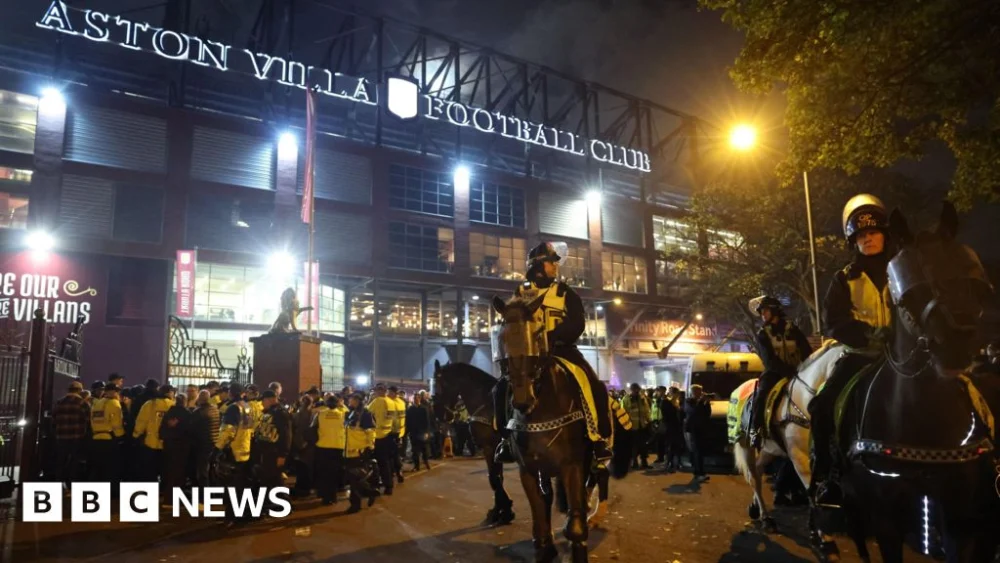
A parliamentary inquiry has sharply criticized the government’s handling of the controversial decision to prohibit Israeli Maccabi Tel Aviv supporters from attending a Europa League fixture against Aston Villa, concluding that ministerial involvement was both ill-timed and counterproductive, exacerbating existing tensions rather than resolving them. The Home Affairs Committee’s findings paint a picture of governmental intervention described as "late and clumsy," ultimately proving "ineffective" and reflecting negatively on the operational culture within the Home Office. This extensive report delves into a multifaceted breakdown of processes, ranging from flawed police intelligence gathering, including the questionable use of artificial intelligence, to concerns regarding political influence over local safety advisory bodies.
The committee’s investigation focused on the events surrounding the November Europa League match, where the Birmingham Safety Advisory Group (SAG) made the contentious decision to ban Israeli club supporters based on evidence presented by West Midlands Police (WMP). A critical revelation from the report is the committee’s assertion that the SAG’s judgment may have been "unduly influenced by political pressure." This accusation strikes at the heart of independent decision-making crucial for public safety bodies. Furthermore, West Midlands Police has since acknowledged that it "overstated the evidence" initially used to justify the fan ban, a concession that significantly undermines the integrity of the initial assessment.
Karen Bradley, the chair of the Home Affairs Committee, minced no words in her assessment of the government’s role. She characterized the ministerial intervention as "clumsy and came too late," asserting that its primary effect was to "inflame tensions." This pointed criticism highlights a perceived lack of strategic foresight and tactical execution from central government in a sensitive local matter. The report implicitly suggests that had the intervention been more timely, better coordinated, or based on a clearer understanding of local dynamics, its outcome might have been constructive rather than detrimental. The Home Office, in response, stated it was only informed that a ban was "one possible option" prior to the decision being finalized, attempting to frame its involvement as less direct than portrayed. However, this defense does little to mitigate the committee’s overall criticism regarding the quality and impact of their engagement.
A particularly alarming aspect of the committee’s findings relates to the West Midlands Police’s intelligence gathering methods. The report reveals that police utilization of artificial intelligence (AI) in compiling its evidence led to the inclusion of "inaccurate and unverified information." This flawed data, according to the committee, not only reinforced "false narratives" but also contributed to a skewed risk assessment. The "extraordinary measure" of banning fans, Dame Karen Bradley suggested, appeared to be motivated by a desire to "make policing the match much easier." She expressed shock that information purporting to show Maccabi fans as high-risk was "trusted without proper scrutiny," especially when it included unverified, AI-generated content. This incident serves as a stark warning regarding the perils of over-reliance on emerging technologies in critical law enforcement decisions without adequate human oversight and validation protocols. The revelation of a non-existent match between the Israeli club and West Ham, cited in police evidence, further exemplified the egregious inaccuracies stemming from this flawed approach.
The committee’s scrutiny extended to the leadership within West Midlands Police. It was deemed "right" that the chief constable had retired, enabling the force to embark on the crucial task of rebuilding public trust. This retirement followed the chief constable’s admission of inaccuracies in evidence presented to the committee, including an initial denial of AI use for research. While the report found no intentional misleading by senior officers regarding AI-generated intelligence, it highlighted a "remarkable lack of professional curiosity," indicating a systemic failure to adequately question and verify information at the highest levels of the force. This institutional complacency, particularly concerning novel technologies like AI, underscores a significant governance deficit.
Beyond policing practices, the report also meticulously examined the composition and functioning of Birmingham’s Safety Advisory Group. Concerns were raised regarding the presence of Birmingham city councillors on the SAG, especially one who had actively campaigned against the fixture. Councillor Mumtaz Hussain, representing the Aston ward, failed to declare an interest when attending a SAG meeting on 7 October, and later controversially described some Maccabi Tel Aviv fans as "thugs." Although she recused herself from a subsequent meeting on 24 October, her initial involvement and public statements raised serious questions about impartiality. Similarly, Councillor Waseem Zaffar, who has since passed away, did declare an interest as a campaigner against the match at the first SAG meeting. While his contributions largely pertained to safety, he openly relayed his community’s view that "this game should not go ahead."
The committee concluded that councillors with stated political agendas had a "disproportionate opportunity to influence SAG decision-making on a deeply divisive political issue." This observation led to a significant recommendation: that changes be implemented to prevent elected politicians from sitting on such advisory groups in the future. The city council itself has recognized the gravity of these findings, commissioning an independent review of its SAG processes, signaling an acknowledgment of the need for reform. This incident brings to the fore fundamental questions about the appropriate boundaries between political representation and objective public safety assessments, particularly in highly charged environments.
Furthermore, the report expressed "surprise and disappointment" that Assistant Chief Constable Mike O’Hara was not more precise in his statements regarding whether Jewish representatives had supported the ban. While acknowledging his personal apology and finding no evidence of intent to mislead, the committee noted a clear failure by WMP to "take appropriate steps to engage with Jewish communities." This lack of proactive engagement stood "in stark contrast to its active consultation with other communities," highlighting an uneven approach to community relations that could exacerbate feelings of marginalization or mistrust among specific groups. Despite this, the committee explicitly stated it found no evidence that the WMP response was motivated by antisemitism, emphasizing that the issue was one of process and engagement, rather than prejudice.
Looking forward, the Home Affairs Committee recommended that the government seriously consider introducing a new category for "football matches of national significance." This proposal suggests a recognition that certain sporting events carry geopolitical or societal weight that transcends standard local policing protocols, requiring a more integrated and potentially centralized approach to risk assessment and security planning. Such a designation would likely entail greater coordination between national security agencies, diplomatic channels, and local authorities, ensuring a holistic understanding of risks and a coherent response.
The Home Office, while defending its initial actions, affirmed its commitment to learning from the autumn’s events, labeling the situation a "serious failure of leadership by West Midlands Police." The Home Secretary’s subsequent actions, including withdrawing confidence in the chief constable and announcing plans to restore governmental power to dismiss police chiefs, underscore the gravity with which central government viewed the policing failures. These measures reflect a broader governmental intent to exert stronger accountability over law enforcement leadership, particularly when public trust is eroded.
The West Midlands Police and Crime Commissioner (PCC) also faced criticism from the report, which stated that the PCC "appeared to prioritise defending the chief constable above holding him to account." This finding questions the effectiveness of the oversight mechanisms designed to ensure police accountability. In his statement, PCC Simon Foster pledged to give the report "careful consideration," while asserting his ongoing commitment to holding the force accountable. Meanwhile, West Midlands Police reiterated its "full commitment" to learning from the incident and restoring public trust, acknowledging the need for fundamental changes in its operational procedures and community engagement strategies. Birmingham City Council leader John Cotton conceded that police evidence was the primary driver for the SAG’s decision but also acknowledged "clear actions for the council, which we will undertake," signaling a collective responsibility to address the systemic shortcomings exposed by this inquiry.
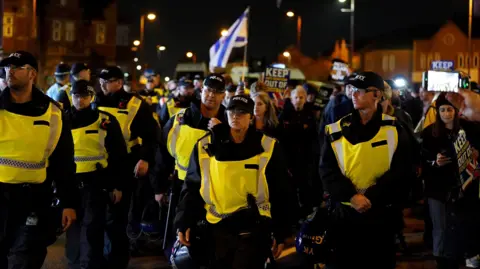
This entire episode serves as a critical case study in the complexities of public safety, inter-agency cooperation, and the ethical deployment of technology in modern policing. It highlights the delicate balance required to manage high-profile events with international dimensions, the imperative for robust and unbiased intelligence, the need for transparent and independent decision-making in safety advisory groups, and the critical role of effective community engagement to prevent the exacerbation of tensions. The recommendations put forth by the Home Affairs Committee, if implemented, could lead to significant reforms in how such events are policed and managed across the United Kingdom, aiming to prevent a recurrence of the missteps and inflamed tensions witnessed during the Maccabi Tel Aviv fan ban.



 Aura Kasih
 Safa Marwah
 Ayu Aulia