Ridwan Kamil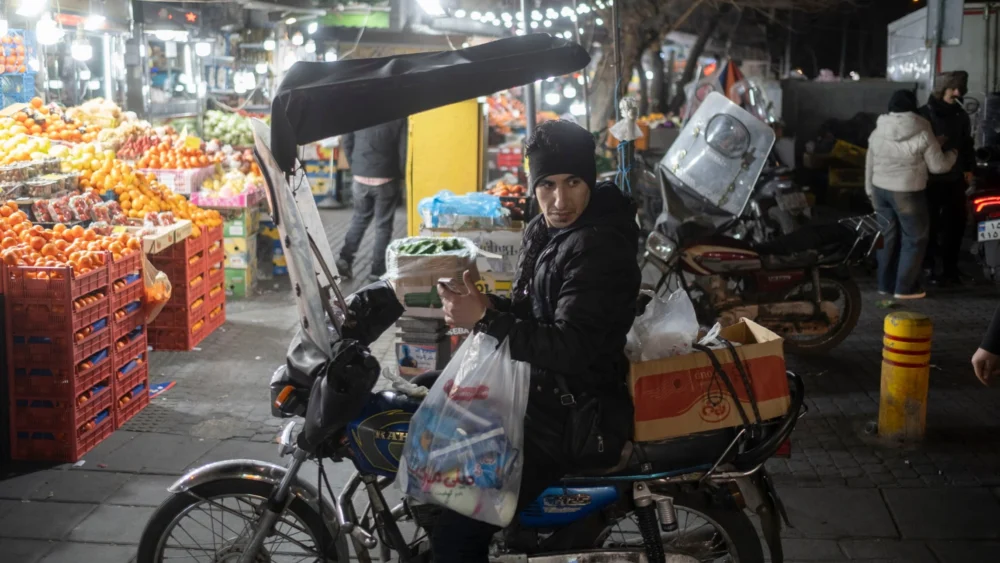
A palpable sense of apprehension has settled over Tehran as its residents grapple with the intensifying geopolitical climate and the looming possibility of external military action, sparking widespread concern and uncertainty within the Iranian populace.
The current unease in Tehran is not an isolated phenomenon but rather a focal point of broader regional and international dynamics that have been simmering for an extended period. The underlying causes of this heightened tension are multifaceted, stemming from a complex interplay of historical grievances, strategic rivalries, and the ongoing nuclear standoff between Iran and several global powers. For decades, Iran has navigated a precarious path, balancing its sovereign ambitions with the persistent pressure exerted by international sanctions and diplomatic isolation. This delicate equilibrium has been further destabilized by recent escalations, creating an environment where fear of direct confrontation has become a tangible reality for ordinary citizens.
The economic repercussions of such potential conflict are a primary driver of public anxiety. Iran’s economy, already burdened by years of stringent sanctions, remains highly vulnerable to external shocks. The prospect of military action conjures images of further economic devastation, including the disruption of vital trade routes, the potential destruction of critical infrastructure, and a catastrophic decline in living standards. Businesses, from small market stalls to larger industrial enterprises, face the specter of closure and ruin. Inflation, a persistent challenge, could spiral out of control, rendering essential goods unaffordable for a significant portion of the population. Unemployment rates, already a point of concern, are projected to surge, exacerbating social inequalities and potentially leading to increased unrest. The flow of foreign investment, crucial for economic diversification and growth, would undoubtedly dry up, pushing the nation further into economic isolation.
Beyond the immediate economic anxieties, there is a deep-seated fear for personal safety and the sanctity of homes and communities. The historical memory of past conflicts, both regional and internal, casts a long shadow, imbuing the current situation with a profound sense of dread. Residents are acutely aware of the potential for collateral damage, the disruption of daily life, and the devastating human cost that any military engagement would inevitably bring. The infrastructure of a modern city, while resilient, is not impervious to the destructive power of modern warfare. Hospitals, schools, and residential areas could all become targets or suffer unintended consequences, leading to widespread displacement and humanitarian crises. The psychological toll on a population living under the constant threat of violence is immense, fostering a climate of stress, anxiety, and uncertainty about the future.
The strategic calculus driving the heightened tensions is complex and deeply rooted in the regional power dynamics. Iran’s geopolitical position, bordering several volatile countries and holding significant sway in regional conflicts, makes it a focal point for international attention and concern. Its nuclear program, a subject of intense international scrutiny and debate, remains a central element in the ongoing diplomatic impasse. The perceived threat posed by Iran’s ballistic missile program and its regional proxy network further complicates the security landscape, contributing to the anxieties of its neighbors and global powers alike. Each side possesses a sophisticated understanding of the other’s capabilities and intentions, leading to a high-stakes game of deterrence and signaling. The potential for miscalculation or unintended escalation in such an environment is a constant and grave concern.
Expert analysis suggests that the current geopolitical posture is characterized by a delicate balance, where de-escalation remains a possibility, but the risk of a precipitous slide into conflict is undeniable. The involvement of multiple international actors, each with their own strategic interests and objectives, adds further layers of complexity to the situation. The United States, a key player in the region, has maintained a strong stance against Iran’s nuclear ambitions and regional activities, leading to periods of heightened diplomatic and military posturing. Other global powers, such as Russia and China, also have significant interests in the region and play a crucial role in the diplomatic efforts to manage the crisis. The efficacy of international diplomacy in navigating these treacherous waters is constantly being tested, with a premium placed on clear communication and the avoidance of provocative actions.
The narrative surrounding Iran’s nuclear program is a critical component of the current tensions. Years of negotiations, punctuated by periods of progress and setbacks, have failed to yield a definitive resolution. The international community’s demand for verifiable assurances that Iran’s nuclear activities are solely for peaceful purposes remains a significant hurdle. Conversely, Iran asserts its sovereign right to pursue peaceful nuclear energy, while vehemently denying any intention to develop nuclear weapons. This fundamental disagreement forms the bedrock of much of the mistrust and suspicion that permeates the geopolitical landscape, fueling the anxieties of both Iran and its adversaries. The technical complexities of nuclear verification and the political sensitivities surrounding national security ensure that this issue will remain a focal point for the foreseeable future.
Beyond the nuclear issue, Iran’s regional influence and its involvement in proxy conflicts are significant drivers of international concern. Its support for various militant groups and its strategic alliances with certain governments have been viewed by some as destabilizing forces in the Middle East. This perception has contributed to a climate of heightened vigilance and has led to a more assertive posture from some of Iran’s regional rivals, further exacerbating the underlying tensions. The intricate web of alliances and rivalries within the region creates a volatile environment where localized conflicts can quickly escalate and draw in external powers, underscoring the interconnectedness of regional security.
For the residents of Tehran, the immediate future remains shrouded in uncertainty. The pervasive anxiety is a testament to the profound impact that geopolitical events have on the lives of ordinary people. Daily routines are colored by the awareness of potential threats, and conversations often revolve around the latest developments and their possible implications. The resilience of the Iranian people is well-documented, yet the cumulative stress of living under prolonged periods of international pressure and the specter of conflict takes a significant toll. The ability of the government to manage these pressures, both internally and externally, will be crucial in determining the trajectory of the nation’s future.
The implications of a potential military confrontation are far-reaching, extending beyond the immediate geographical area. The disruption of global oil supplies, a significant concern given the Strait of Hormuz’s strategic importance, could have a ripple effect on the global economy. Furthermore, the humanitarian consequences of any conflict could be severe, leading to mass displacement, refugee crises, and a protracted period of instability in an already volatile region. The international community faces a critical juncture, where diplomatic solutions and de-escalation efforts must be prioritized to avert a potentially catastrophic outcome.
Looking ahead, the path to de-escalation requires a concerted effort from all parties involved. A renewed commitment to constructive dialogue, coupled with a willingness to compromise, will be essential in navigating the complex challenges ahead. The international community must also consider the long-term implications of its policies and actions, recognizing that sustainable security and stability in the region depend on addressing the root causes of conflict and fostering an environment of mutual respect and cooperation. The people of Tehran, like many around the world, yearn for peace and stability, a future free from the pervasive anxiety that currently grips their city. The decisions made in the coming weeks and months will undoubtedly shape the destiny of Iran and have a profound impact on the broader geopolitical landscape. The weight of these decisions rests heavily on the shoulders of leaders, and the hopes of millions hang in the balance as they navigate this critical period of geopolitical uncertainty. The enduring spirit of resilience within Tehran, however, remains a testament to the human capacity to endure and adapt, even in the face of daunting challenges.

 Aura Kasih
 Safa Marwah
 Ayu Aulia