Lisa Mariana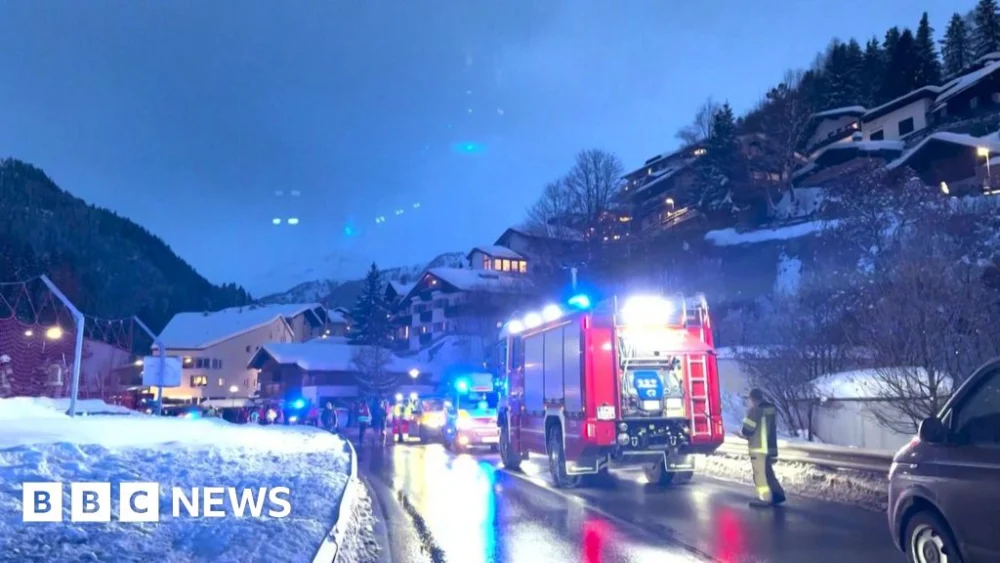
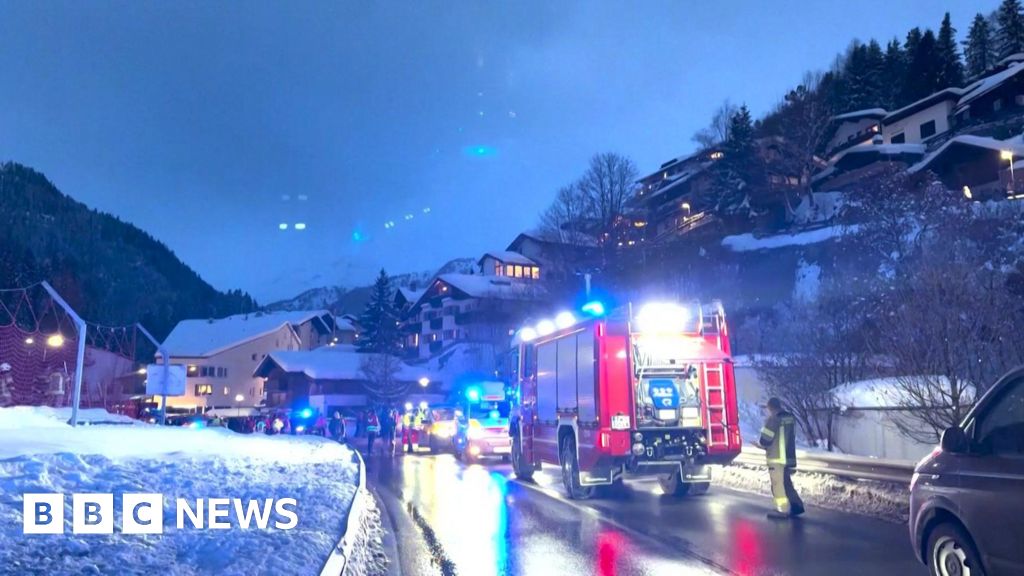
A series of catastrophic snow slides ripped through the Austrian Alps on Friday, resulting in the confirmed deaths of five individuals and inflicting significant disruption across the region as heavy snowfall blanketed mountain communities. These incidents contribute to an alarmingly high fatality count for the current winter season, prompting renewed concerns about alpine safety and the unpredictable nature of mountain environments under severe weather conditions. Authorities have initiated investigations into the circumstances surrounding each event, with preliminary findings suggesting some avalanches may have been inadvertently triggered by the very individuals they engulfed.
The devastating chain of events unfolded across several popular skiing destinations, highlighting the pervasive danger posed by unstable snowpacks. One of the initial reports detailed the tragic death of a 42-year-old German national in an avalanche near Nauders, a resort situated close to Austria’s borders with Switzerland and Italy. His 16-year-old son, who was with him at the time of the slide, sustained injuries and was subsequently airlifted to a medical facility for urgent treatment, underscoring the critical speed required in such rescue operations. This incident alone serves as a stark reminder of the inherent risks faced by recreationalists venturing into potentially hazardous terrain.
Further south, the renowned St. Anton am Arlberg ski area became the scene of another deadly incident. Here, an avalanche claimed the lives of three skiers, two of whom were identified as American and Polish nationals. The third victim was a 21-year-old Austrian citizen who succumbed to his injuries in hospital following a desperate rescue attempt. Two other individuals were successfully extricated from the substantial snow mass, albeit with injuries, thanks to a large-scale emergency response that mobilized four mountain rescue teams, three helicopters, and numerous first responders. The sheer breadth of the avalanche, estimated at 450 meters wide, underscores the immense power and destructive potential of these natural phenomena. Police reports indicate that this particular slide was likely triggered by the skiers themselves, a common factor in many avalanche fatalities, especially in off-piste areas.
Adding to the grim toll, a snowboarder tragically perished after being buried in an avalanche in the adjacent Vorarlberg region. This incident further emphasized the widespread nature of the danger zones and the vulnerability of those venturing into ungroomed or uncontrolled sections of the mountains. The collective loss of five lives on a single day represents a profound tragedy for the alpine community and serves as a somber illustration of the heightened risks present during periods of intense snowfall and rapidly changing weather.
This recent surge in fatalities brings Austria’s total avalanche-related deaths for the current winter season to at least 21. Across the broader Alpine range, dozens of lives have been claimed by similar incidents, positioning this winter as one of the deadliest in recent memory. This elevated casualty rate has prompted ski patrol services, meteorological agencies, and local authorities to reiterate urgent warnings and reinforce safety protocols for both residents and visitors.
The avalanche risk in parts of Tyrol, where two of Friday’s fatal incidents occurred in off-piste areas, remains critically high. This designation, typically Level 4 on a 5-point scale, signifies that avalanches can be expected to occur frequently and with little warning, even on moderately steep slopes. Such conditions are often exacerbated by fresh snowfall, strong winds that create unstable snowdrifts, and fluctuating temperatures that can weaken underlying snow layers. Understanding these complex meteorological and topographical factors is paramount for anyone considering venturing beyond marked trails.
The specific dynamics of the St. Anton avalanche, reportedly triggered by the skiers themselves, highlights a critical aspect of avalanche safety: human decision-making. While natural processes dictate the overall stability of the snowpack, many incidents are initiated by the weight or movement of individuals. This phenomenon underscores the importance of rigorous avalanche training, including snowpack assessment, route selection, and the practice of safe group travel protocols. The allure of untouched powder, often referred to as "powder fever," can sometimes lead experienced and inexperienced skiers alike to underestimate the inherent dangers of off-piste terrain.
Beyond the immediate avalanche crises, the severe weather front that swept across the region on Friday had broader, disruptive consequences. Heavy snowfall and strong winds caused widespread power outages, plunging numerous homes and businesses into darkness. Transportation networks were severely impacted, leading to significant chaos, particularly in the south-eastern state of Styria. The Red Cross was deployed to assist motorists stranded in prolonged traffic jams, with local motoring organizations describing road conditions as "virtually inaccessible to private vehicles" in some areas.
Even major transportation hubs felt the ripple effect of the extreme weather. Vienna International Airport experienced temporary closures during the morning hours, and its afternoon services were reported as "disrupted," affecting thousands of travelers. In an incident unrelated to avalanches but indicative of the overall hazardous conditions, a 53-year-old man in the northern city of Linz tragically died after being crushed by a snow plough. The vehicle reportedly slid down a set of stairs while the man was clearing snow, illustrating the multifaceted dangers posed by heavy winter precipitation.
The elevated avalanche death toll this year is not confined to Austria. Regions across the Alps, including France, have also reported a higher-than-average number of fatalities. Earlier this month, three British nationals tragically lost their lives in an avalanche in the French resort of La Grave, underscoring the international scope of this winter’s challenges. This trend prompts a critical review of current safety measures, public awareness campaigns, and the broader implications of potentially changing weather patterns in alpine environments.
Background Context and Expert Analysis:
The Alps, a magnet for winter sports enthusiasts, are inherently dynamic and challenging environments. Avalanche formation is a complex interplay of snowfall, wind, temperature, and terrain. Layers of snow can form with varying densities and strengths. When a weak layer is buried under a stronger, heavier layer, it creates a potential shear plane. Fresh snowfall, especially when accompanied by strong winds, can rapidly overload these weak layers, leading to instability. Wind plays a crucial role by transporting snow and creating cornices and wind slabs, which are highly susceptible to fracturing. Rapid temperature fluctuations, such as a sudden warm spell or refreezing cycle, can also destabilize the snowpack.
Expert analysis consistently emphasizes that while natural avalanches occur, a significant percentage of fatal incidents are triggered by humans. This highlights the critical importance of individual responsibility and education. Skiers and snowboarders venturing into unpatrolled, off-piste terrain assume a high degree of risk. Essential safety equipment, including an avalanche transceiver (beacon), probe, and shovel, is non-negotiable for anyone in avalanche-prone areas. Furthermore, the knowledge of how to use this equipment effectively and efficiently is paramount, as survival rates plummet dramatically after 15 minutes of burial. Avalanche airbags, while not guaranteeing survival, can increase the chances of staying on top of the slide.
The concept of "risk management" in the backcountry extends beyond equipment. It encompasses understanding the daily avalanche bulletin, interpreting terrain features, recognizing warning signs (like recent avalanche activity or "whumpfing" sounds), and making conservative decisions. Group dynamics also play a significant role; peer pressure or overconfidence can lead to poor judgment. Many experts advocate for formal avalanche safety courses (e.g., AST 1, AST 2 in North America, or equivalent courses in Europe) that provide foundational knowledge and practical skills for navigating avalanche terrain safely.
Implications and Future Outlook:
The ongoing series of avalanche fatalities carries significant implications for the alpine tourism industry, local communities, and emergency services. Economically, prolonged periods of high avalanche risk and associated travel disruptions can deter visitors, impacting resorts that rely heavily on winter tourism. The costs associated with extensive rescue operations, including the deployment of helicopters and specialized personnel, are also substantial.
In terms of safety protocols, these incidents reinforce the necessity for continued investment in avalanche forecasting technology, terrain management, and public education campaigns. Ski resorts and local authorities are tasked with continuously assessing and mitigating risks within their patrolled boundaries, often through controlled blasting to trigger small avalanches before they become dangerous. For off-piste areas, the responsibility largely shifts to the individual. There is an ongoing debate about how best to balance freedom of access to the backcountry with ensuring public safety, especially given the growing popularity of freeride skiing and snowboarding.
Looking ahead, the long-term outlook for alpine safety is also influenced by broader climatic trends. While directly attributing specific weather events to climate change requires extensive scientific analysis, general observations suggest an increase in extreme weather phenomena, including periods of unusually heavy snowfall followed by rapid warming. Such conditions can exacerbate avalanche risk by creating highly unstable snowpacks. As climate patterns evolve, mountain communities and safety experts will need to adapt their strategies for forecasting, mitigation, and public awareness to address new and potentially more volatile challenges.
The tragic events in the Austrian Alps serve as a powerful and somber reminder of the raw power of nature and the inherent risks associated with mountain environments. They underscore the critical importance of respecting official warnings, understanding avalanche phenomena, being adequately equipped, and making informed, cautious decisions when venturing into the majestic, yet unforgiving, terrain of the Alps. The focus remains on preventing future tragedies through enhanced education, stringent safety measures, and a collective commitment to responsible alpine recreation.




 Aura Kasih
 Safa Marwah
 Ayu Aulia