Lisa Mariana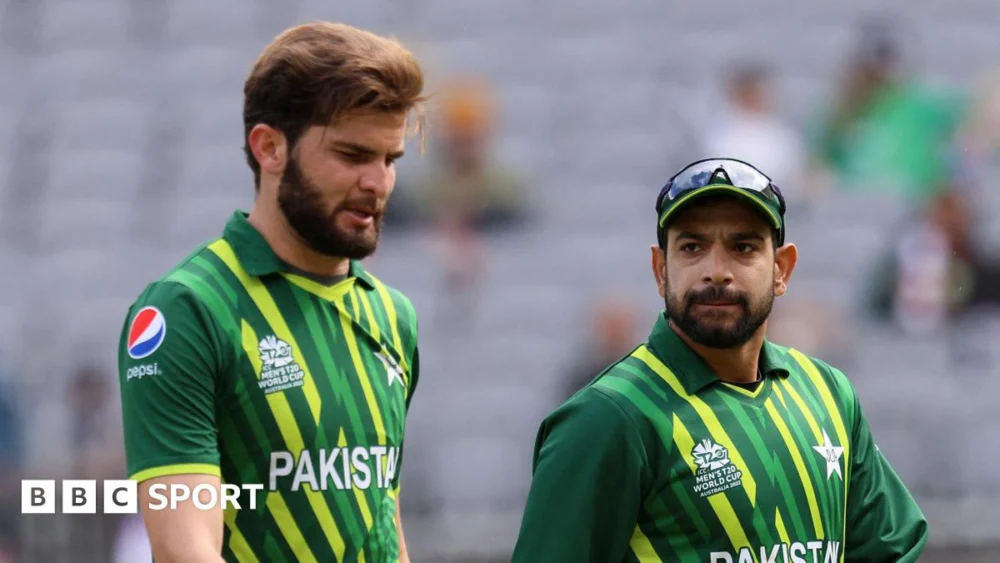
The forthcoming auction for The Hundred, England’s premier white-ball franchise competition, is set to unfold with a complex interplay of cricketing ambition, burgeoning financial investment, and underlying geopolitical currents, highlighted by the registration of 67 Pakistani players and the conspicuous absence of England’s talismanic all-rounder, Ben Stokes. This pivotal event, marking a significant shift from a draft system to an open auction, is drawing unprecedented global interest, yet internal communications suggest a nuanced approach to player selection, particularly concerning athletes from Pakistan and franchises with ties to the Indian Premier League (IPL).
The England and Wales Cricket Board (ECB) finds itself navigating a delicate landscape as it endeavors to position The Hundred as a truly global spectacle. Unofficial directives, purportedly from a senior ECB official, have signaled to player agents that interest in their Pakistani clients might be constrained to franchises without direct or indirect ownership links to IPL teams. This internal communication points to a persistent and deeply entrenched issue within international cricket: the enduring diplomatic friction between India and Pakistan, which has famously excluded Pakistani cricketers from the IPL since its inaugural season in 2008, barring a brief appearance in 2009. The ramifications of this historical context are now permeating The Hundred, with four of its eight franchises—Manchester Super Giants, MI London, Southern Brave, and Sunrisers Leeds—reportedly holding at least partial ownership stakes by entities controlling IPL teams.
This situation presents a significant challenge to the ECB’s stated objective of fostering a diverse and inclusive tournament. While an ECB spokesperson publicly affirmed the competition’s commitment to welcoming "men’s and women’s players from all over the world" and anticipating "the eight teams to reflect that diversity," the unofficial guidance suggests a practical divergence. The discrepancy between official rhetoric and operational realities underscores the intricate commercial and political considerations that increasingly influence global sporting events. The potential for IPL-linked entities to exert influence over player selection in The Hundred, even if indirect, raises questions about the tournament’s autonomy and its ability to genuinely transcend national boundaries in player recruitment. For Pakistani cricketers, who are already deprived of participation in the world’s most lucrative T20 league, this development could represent another layer of exclusion, limiting their access to a high-profile platform and significant earning potential within another major franchise circuit.
The transition to an auction system, a first for The Hundred, signifies a substantial evolution in the tournament’s structure and commercial ambition. This shift was directly precipitated by the external investment secured by the eight teams, moving away from a centrally managed draft to a more market-driven approach. An auction empowers franchises with greater autonomy in constructing their squads, fostering competitive bidding and potentially driving up player valuations. This move aligns The Hundred more closely with the operational models of established global franchise leagues, signaling a strategic intent to enhance its commercial appeal and sporting competitiveness. The total number of registered players, a staggering 964 from 18 nations, underscores the global desire to participate, with significant representation from cricketing powerhouses such as Australia, South Africa, New Zealand, Pakistan, and the West Indies.
Financially, The Hundred is demonstrating robust growth, particularly in its commitment to both men’s and women’s cricket. The men’s competition salary pot for 2026 has seen a substantial 45% increase, reaching £2.05 million per side. Even more remarkably, the fund for women’s teams has doubled, increasing by 100% to £880,000. These significant financial escalations reflect a strong belief in the tournament’s commercial viability and a conscious effort to professionalize the women’s game. The substantial investment in the women’s competition positions The Hundred as a leader in promoting gender parity in professional cricket, offering unprecedented opportunities and remuneration for female athletes. The implementation of a salary cap and a salary collar (a minimum spending requirement) aims to ensure competitive balance across all teams, preventing the accumulation of excessive talent by a few wealthy franchises while guaranteeing a baseline investment in player salaries.
The player pool for the upcoming auction features a blend of established international stars, promising domestic talent, and notable absentees. Ben Stokes, England’s iconic multi-format captain, will once again be absent from the competition, having skipped it in the previous year to manage his formidable workload. Stokes’s decision highlights the increasing pressures on elite cricketers juggling international commitments across multiple formats with demanding franchise league schedules. His absence, while understandable from a player welfare perspective, undeniably diminishes some of the tournament’s star power and appeal. Similarly, seasoned England paceman Mark Wood, currently recovering from a knee injury sustained during the Ashes, and veteran bowler James Anderson, focusing on the Test arena, are also not on the registration list. Their absence underscores the challenges of integrating all top-tier international players into a domestic franchise system, particularly given injury concerns or differing career priorities.
Conversely, a host of high-profile English players who were not retained by their previous franchises are now available for selection. This includes the likes of former Test captain Joe Root, prolific leg-spinner Adil Rashid, and explosive wicketkeeper-batter Jonny Bairstow, alongside last year’s leading run-scorer Jordan Cox. Their availability injects significant quality and experience into the auction pool, offering franchises a chance to rebuild or bolster their squads with proven performers. The international contingent is equally impressive, featuring South African stalwarts Quinton de Kock, David Miller, and Aiden Markram, alongside West Indies powerhouses Jason Holder, Sherfane Rutherford, and Shimron Hetmyer. These players are expected to be hot commodities, bringing their diverse skill sets and match-winning capabilities to the tournament.
Despite the unofficial restrictions flagged for IPL-linked teams, Pakistan’s contingent remains a significant and highly valued part of the auction. Four of Pakistan’s most exciting talents—Saim Ayub, Shadab Khan, Mohammad Nawaz, and Naseem Shah—have registered at the highest men’s reserve price of £100,000. This indicates a strong belief in their market value and cricketing prowess. They are joined by Pakistan’s intriguing mystery spinner, Usman Tariq, further diversifying the talent pool. The presence of these top Pakistani players, despite the potential selection hurdles, underscores their global appeal and the quality they would bring to any franchise. Their high reserve prices create a paradoxical situation: highly sought-after talent facing potential external barriers to selection, highlighting the complex commercial and political dynamics at play.
The women’s competition also boasts a stellar lineup, reflecting the increased investment and burgeoning talent pool. England internationals such as Em Arlott, Amy Jones, Danielle Gibson, Sarah Glenn, and Linsey Smith are among those entering the draft at the £50,000 reserve price. Young prodigy Davina Perrin, who famously scored a century aged 18 in last year’s eliminator, has set her reserve price at £37,500, signaling her ambition. The highest bracket for women’s players includes international luminaries like South Africa’s all-rounder Nadine de Klerk, New Zealand’s captain Sophie Devine, Australia’s consistent Beth Mooney, and India’s explosive wicketkeeper-batter Richa Ghosh. However, a notable absence is India captain Harmanpreet Kaur, whose reasons for not registering are not explicitly stated but could range from workload management to national commitments or other franchise league obligations.
The absence of any Indian men’s players on the registration list is a direct consequence of the Board of Control for Cricket in India’s (BCCI) long-standing policy, which currently prohibits its male internationals from participating in franchise leagues other than the Indian Premier League. This policy, designed to protect the IPL’s exclusivity and manage player workload, has significant implications for global franchise cricket. However, there remains an optimistic outlook from the ECB, with chairman Richard Thompson having previously stated it is "only a matter of time" before Indian men’s players feature in The Hundred. Should the BCCI eventually relax its stance, the inclusion of Indian male superstars would undoubtedly provide an immense commercial and sporting boost to The Hundred, significantly elevating its profile and competitive landscape. The potential for such a policy shift represents one of the most intriguing future developments for the tournament and the broader global cricket ecosystem.
In conclusion, The Hundred’s upcoming auction is poised to be a watershed moment, not merely for its transition to a market-driven system and its impressive financial growth, but also for its illumination of the intricate geopolitical and commercial forces at play within modern cricket. The explicit financial commitment to both men’s and women’s cricket signifies a progressive vision for the tournament’s future, aiming for both sporting excellence and equitable opportunities. However, the unofficial guidance regarding Pakistani players and the influence of IPL-linked franchises underscores the persistent challenges in achieving true global integration, highlighting a tension between commercial ambition, political realities, and the ideal of a meritocratic sporting arena. As the cricketing world watches, The Hundred will need to skillfully navigate these complex dynamics to fulfill its ambition of becoming a truly premier international white-ball competition.



 Aura Kasih
 Safa Marwah
 Ayu Aulia