Lisa Mariana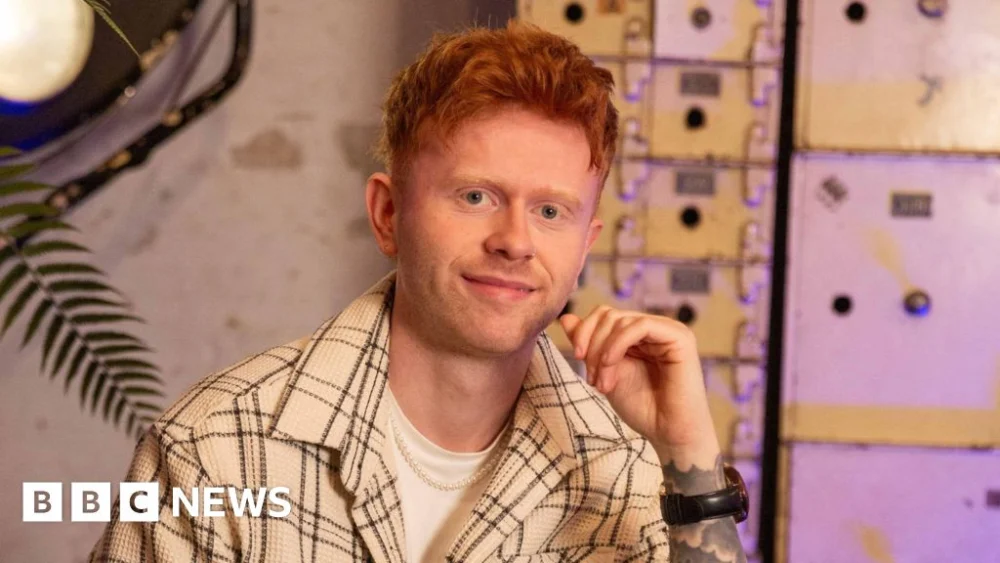
The United Kingdom’s inaugural dating program conducted entirely in British Sign Language (BSL), "Hold My Hand," has been lauded for its groundbreaking approach to authentic representation, offering a vital platform for the deaf community to share their experiences and challenge prevailing misconceptions. This innovative series, spearheading a new era of inclusive media, provides a deeply personal and culturally resonant exploration of romance through the lens of deaf and Children of Deaf Adults (CODA) participants.
Produced by LumoTV, a streaming platform uniquely positioned as deaf-led, "Hold My Hand" emerges as a significant cultural milestone. The series, presented by deaf identical twins Hermon and Heroda Berhane, meticulously crafts an environment where BSL is not merely accommodated but is the primary mode of communication, thereby elevating deaf culture and identity to the forefront of mainstream entertainment. This deliberate choice starkly contrasts with traditional reality television formats, which often inadvertently exclude or marginalize individuals who communicate primarily through sign language.
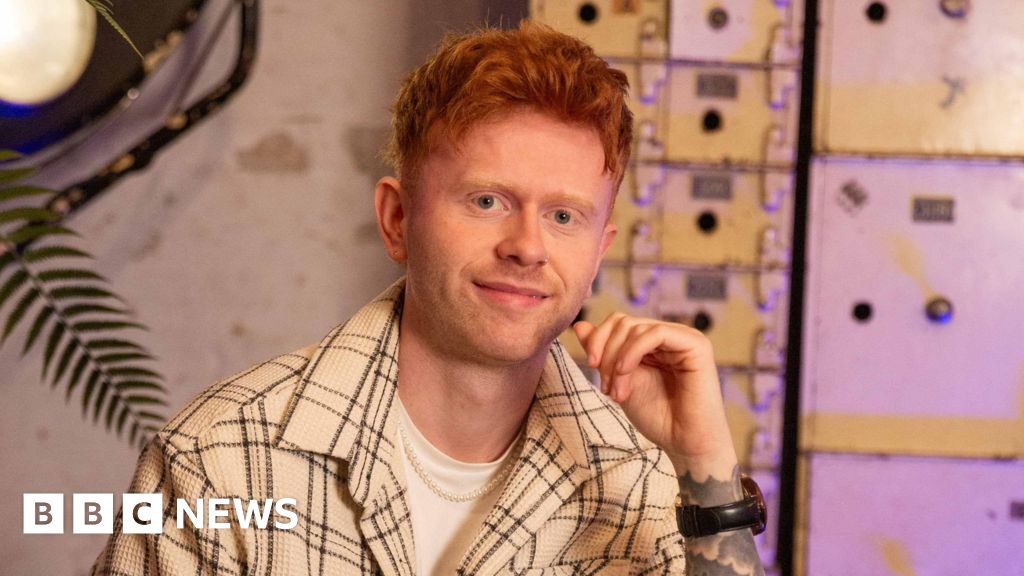
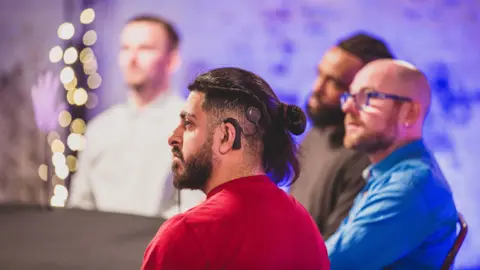
Oliver Scott, a 27-year-old contestant from Norwich, articulated a sentiment shared by many deaf viewers, expressing his relief and enthusiasm for a show that finally mirrored his own lived experience. Speaking through an interpreter, Scott described the production as "refreshing," a powerful descriptor reflecting a long-standing desire for visibility. He revealed a history of internal questioning while observing conventional dating shows, pondering the seemingly insurmountable barriers to participation due to communication challenges. For Scott, who grew up in a deaf family and for whom BSL is his first language, the absence of accessible platforms had created a persistent sense of exclusion from a popular cultural phenomenon. He had consciously opted against hearing aids or cochlear implants, reinforcing his identity within the BSL-speaking community.
Scott’s reflections underscore a critical aspect of media representation: the need for authentic portrayal that goes beyond superficial inclusion. He elaborated on the practical impediments he envisioned for deaf individuals in typical dating show scenarios, citing the rapid-fire conversations, intricate game dynamics, and the often-unspoken social cues that define such environments. "How would I get to know people? It might be quite difficult," he mused, encapsulating the inherent communication chasm that often separates deaf and hearing worlds, particularly in high-pressure social settings. However, his participation in "Hold My Hand" proved to be a transformative experience, allowing him to genuinely connect with others and engage in the "banter" and light-hearted interactions that are a staple of dating.
The significance of "Hold My Hand" extends beyond providing a dating platform; it acts as a crucial educational vehicle. Scott passionately expressed his hope that the series would enlighten hearing audiences about the rich diversity and vibrancy of the deaf community. He aimed to dismantle stereotypes, showcasing that deaf individuals are just as capable of mischief, humor, and lively social engagement as their hearing counterparts. "We can be naughty, we can be mischievous, we can be cheeky, we can have fun, we can have great banter too," he affirmed, challenging monolithic perceptions and advocating for a more nuanced understanding.
The show’s debut follows a period of heightened discussion regarding deaf representation in UK media. Notably, Tasha Ghouri made history as the first deaf contestant on ITV’s immensely popular dating program, "Love Island," in 2022. While acknowledging Ghouri as an "brilliant representative" for individuals using cochlear implants, Scott emphasized a critical distinction. He argued that Ghouri’s experience, while valuable, primarily represented one facet of the deaf community – those who use spoken language alongside assistive hearing devices. Scott advocated for a broader spectrum of representation, specifically highlighting the imperative to feature BSL users prominently in mainstream media. He noted that seeing Ghouri might inadvertently lead some hearing viewers to believe all deaf people communicate similarly, overlooking the diverse communication preferences and cultural identities within the deaf community. His call for "more reflection of British Sign Language users in the mainstream" underscores the linguistic and cultural distinctiveness of BSL and its speakers.
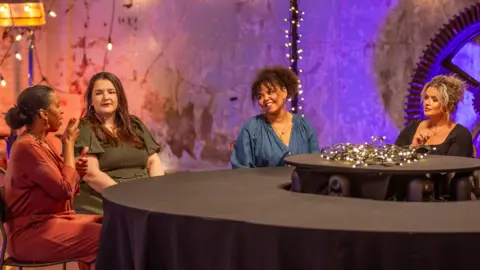
Teri Devine, the associate director of inclusion for the Royal National Institute for Deaf People (RNID), echoed the profound importance of "Hold My Hand," labeling it a "huge milestone." Devine underscored the psychological and social benefits of authentic representation, explaining that seeing individuals who resemble oneself on screen fosters a sense of validation and possibility. For deaf individuals, observing their peers navigate dating challenges and successes can be profoundly empowering, serving as a powerful affirmation that "I can do that." This visibility cultivates a sense of belonging and provides invaluable role models, inspiring confidence and ambition within the deaf community.
Devine also offered practical insights into the specific considerations that can enhance dating experiences for deaf individuals. She highlighted the importance of environmental factors, advocating for quieter and brighter settings where facial expressions and lip-reading are clearly visible. These seemingly minor adjustments can significantly reduce communication barriers, allowing for more natural and engaging interactions. This emphasis on accessible environments extends beyond dating, reflecting broader calls for inclusive design and practices across all societal domains.
The journey towards comprehensive deaf representation in media has seen other notable advancements. Rose Ayling-Ellis, a deaf actress, achieved widespread acclaim and shattered barriers by becoming the first deaf contestant to win "Strictly Come Dancing" in 2021. Her participation not only captivated audiences but also sparked a national conversation about BSL and deaf culture. Ayling-Ellis further cemented her pioneering status by becoming the first deaf person to host live sports coverage on television, contributing to Channel 4’s broadcast of the 2024 Paris Paralympic Games. These achievements, alongside "Hold My Hand," signify a gradual but impactful shift in the media landscape, moving towards a more inclusive and reflective portrayal of disability.
The advent of "Hold My Hand" is not merely a novelty; it represents a strategic and empathetic response to a long-unmet need within the media industry. By centering BSL and deaf culture, LumoTV has created a blueprint for future productions, demonstrating that authenticity and entertainment are not mutually exclusive. The show’s success and positive reception are likely to catalyze further demand for similar programming, pushing mainstream broadcasters to critically re-evaluate their approaches to diversity and inclusion. The aspiration for a BSL user to feature on a "mainstream reality show" is no longer a distant dream but an increasingly attainable goal, propelled by the success and visibility of pioneering series like "Hold My Hand." This ongoing evolution promises a media landscape that is not only more representative but also more culturally rich and universally accessible.


 Aura Kasih
 Safa Marwah
 Ayu Aulia