Aura Kasih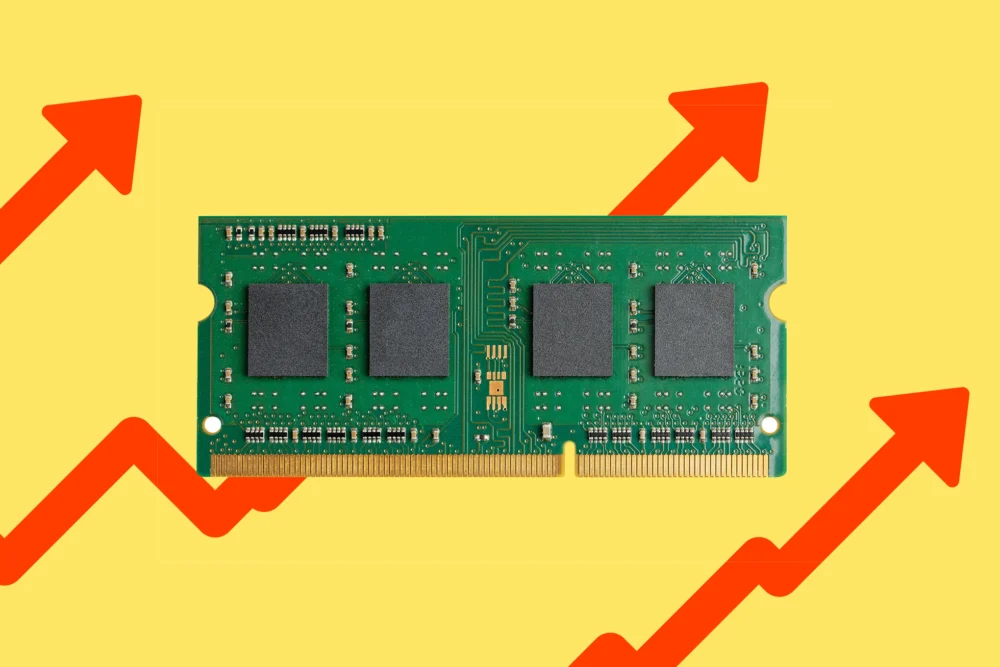
A stark warning has emerged from the heart of the global memory industry, with a prominent executive forecasting dire consequences for a vast array of technology sectors due to an escalating shortage of crucial memory components, potentially leading to the demise of companies and the shelving of innovative products.
The specter of a widespread memory component deficit looms large over the technology landscape, with projections from a key industry player suggesting a grim outlook for the latter half of 2026. Pua Khein-Seng, the chief executive of Phison Electronics, a company at the forefront of designing and manufacturing controller chips for solid-state drives (SSDs) and other flash memory devices, has articulated concerns that could reshape the very fabric of the consumer electronics and computing industries. Phison’s position within the supply chain makes its CEO’s insights particularly resonant, offering a granular perspective on the intricate dance between component availability and product realization.
In a recent televised interview, Mr. Khein-Seng’s pronouncements, while delivered in Mandarin, have sent ripples of apprehension through industry circles. Friends and associates familiar with the language have corroborated the gravity of his statements, emphasizing that the interviewer initiated the discussion regarding potential corporate bankruptcies and product line discontinuations. Mr. Khein-Seng’s response, characterized by affirmation and clarification, underscored the critical dependency of these outcomes on the ability of companies to secure adequate supplies of essential memory. This exchange has ignited a significant discourse about the fragility of modern technological ecosystems when confronted with fundamental supply chain disruptions.
The root cause of this burgeoning crisis is intrinsically linked to the insatiable demand generated by the artificial intelligence (AI) revolution. The exponential growth of AI infrastructure, particularly the massive data centers powering complex machine learning models and advanced research, is voraciously consuming the world’s memory output. This unprecedented surge in demand, far outstripping existing production capacities, has created a severe imbalance in the global memory market. Consequently, prices for dynamic random-access memory (DRAM) and other memory modules have experienced dramatic escalations, with reports indicating tripling, quadrupling, and even sextupling of costs over recent months.
This memory scarcity is not a theoretical concern for a distant future; its immediate impact is already being felt across the technology spectrum. Even industry giants are not immune to these pressures. Speculation abounds that Nvidia, a titan in the graphics processing unit (GPU) market, might be compelled to deviate from its long-standing practice of releasing new gaming graphics cards, a move that would mark a significant departure from its established product cycle. The implications extend to consumer devices as well. Apple, a company synonymous with seamless product integration and robust supply chain management, is reportedly facing challenges in securing sufficient memory chips, not only for its iPhones and MacBooks but also for its SSD storage solutions and other critical components. This suggests that the ripple effects of the memory crunch are pervasive, impacting even the most strategically positioned entities in the market.
The concentrated nature of the DRAM market further exacerbates the situation. A mere three corporations – Samsung, SK Hynix, and Micron – collectively control approximately 93% of the global DRAM market. While these entities are undertaking expansions of their manufacturing facilities, the pace of these developments is deliberately measured. The companies appear to be prioritizing profitability over aggressive expansion, a strategy that mitigates the risk of overproduction and subsequent price erosion. This cautious approach, while financially prudent for the manufacturers, inadvertently prolongs the period of constrained supply for the broader industry. The decision to temper production increases, driven by a desire to avoid potential future losses associated with market oversupply, creates a bottleneck that directly impacts the availability of memory for a multitude of downstream products.
The ramifications of this memory crunch are profound and far-reaching, extending beyond the immediate concerns of component availability. As companies grapple with escalating costs and limited supply, strategic decisions will inevitably be made that could alter product roadmaps and market offerings. The potential for product line rationalization, where less profitable or more memory-intensive product segments are curtailed or eliminated, is a tangible consequence. For smaller or more specialized technology firms, the inability to secure critical memory components could prove existential. The prospect of corporate insolvency or an outright exit from the market is a stark reality that Mr. Khein-Seng has brought to the forefront of industry discussion.
Furthermore, this supply chain constraint could foster a paradigm shift in consumer behavior and product lifecycle management. With new devices potentially becoming more expensive or less readily available, there is a growing expectation that consumers may increasingly opt for repairing existing products rather than replacing them. Mr. Khein-Seng has alluded to this potential shift, suggesting an increased emphasis on product longevity and repairability in the coming years. This could stimulate growth in the aftermarket repair sector and encourage manufacturers to design products with greater ease of maintenance in mind.
The current memory crisis serves as a potent reminder of the interconnectedness of the global technology ecosystem. The insatiable appetite of AI development, coupled with the concentrated control of a critical component market, has created a vulnerability that threatens to destabilize numerous industries. The decisions made by the major DRAM manufacturers regarding production capacity and investment will be pivotal in determining the trajectory of this crisis. A failure to adequately address the demand surge could lead to a prolonged period of scarcity, impacting innovation, market competition, and the availability of consumer electronics for an extended duration.
The implications for the broader technology landscape are significant. The cost of memory is a fundamental determinant of the pricing and performance of countless electronic devices, from high-performance computing systems and gaming consoles to smartphones and even automotive infotainment systems. As memory prices continue to climb and supply remains constrained, consumers can anticipate higher prices for new devices and potentially longer wait times for desired products. Businesses reliant on a steady supply of memory for their manufacturing operations will face increased operational costs and the difficult task of managing their inventory and production schedules in the face of uncertainty.
The current situation also raises questions about the future of technological innovation. If the development of cutting-edge AI technologies is hampered by a lack of memory, or if consumer electronics manufacturers are forced to scale back ambitious product plans due to component shortages, the pace of technological advancement could be significantly impacted. This could lead to a period of slower innovation, as companies focus on optimizing existing technologies with limited resources rather than pushing the boundaries of what is possible.
The long-term outlook for the memory market remains uncertain, but the current trajectory suggests a period of significant adjustment and potential disruption. The industry will be closely watching the strategic decisions of the major DRAM manufacturers, as well as the broader macroeconomic factors that influence demand for AI infrastructure and consumer electronics. The possibility of new entrants or significant investments in alternative memory technologies could emerge as potential solutions to diversify the supply chain and mitigate future risks. However, such developments typically require substantial time and capital investment.
In conclusion, the pronouncements from Phison’s CEO serve as a critical signal of the precarious state of the global memory market. The confluence of unprecedented AI-driven demand and the concentrated nature of DRAM production has created a perfect storm, with the potential to trigger significant corporate distress, product line cancellations, and a fundamental reevaluation of supply chain resilience across the technology sector. The coming years will likely witness a period of intense pressure on manufacturers and consumers alike, as the industry navigates the complex challenges posed by this critical component shortage.



 Safa Marwah
 Lisa Mariana