Lisa Mariana
The integration of automated dishwashing systems into modern households has significantly streamlined domestic chores, yet the efficacy of these appliances is profoundly influenced by user practices. Far from a trivial task, the strategic loading and maintenance of a dishwasher are critical determinants of cleanliness, operational efficiency, and appliance lifespan, necessitating adherence to empirically derived guidelines for optimal results. This analysis outlines five fundamental principles for effective dishwasher utilization, aiming to enhance performance, conserve resources, and mitigate common operational challenges.
1. Eliminating the Pre-Rinse Protocol
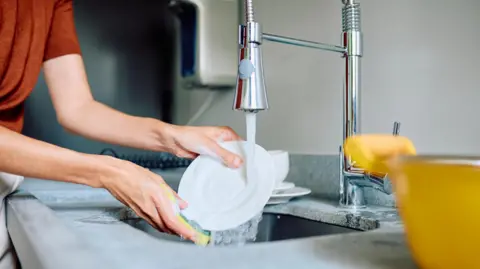
A prevalent misconception among users of automated dishwashers is the necessity of pre-rinsing dishes before loading. This practice, a carryover from earlier appliance generations, is counterproductive for modern machines equipped with advanced sensing technologies. Contemporary dishwashers are designed to detect the level of soil on items, typically employing turbidity sensors that measure the opacity of the wash water. When dishes are extensively pre-rinsed, these sensors register a low level of contamination, prompting the appliance to initiate a milder wash cycle at reduced temperatures and intensity. This diminished operational setting can result in inadequate cleaning for any genuinely soiled items, leading to suboptimal outcomes and potential re-washing.
Consumer research experts emphasize that instead of rinsing, the appropriate preparatory step involves scraping solid food particles into a waste receptacle. This action removes bulk debris without stripping the crucial enzymatic triggers required for the detergent to function effectively. Detergents in modern formulations contain enzymes specifically engineered to break down proteins and starches present in food residues. If these residues are absent due to excessive pre-rinsing, the enzymes may not activate optimally, thereby reducing the detergent’s cleaning power. Furthermore, consistent maintenance of the dishwasher’s internal filter is paramount, as it captures any remaining food particles, preventing their recirculation and ensuring clear water for subsequent wash stages. Adopting this approach not only improves cleaning efficiency but also conserves significant amounts of water and energy that would otherwise be expended in unnecessary pre-rinsing.
2. Strategic Loading for Unhindered Water Circulation
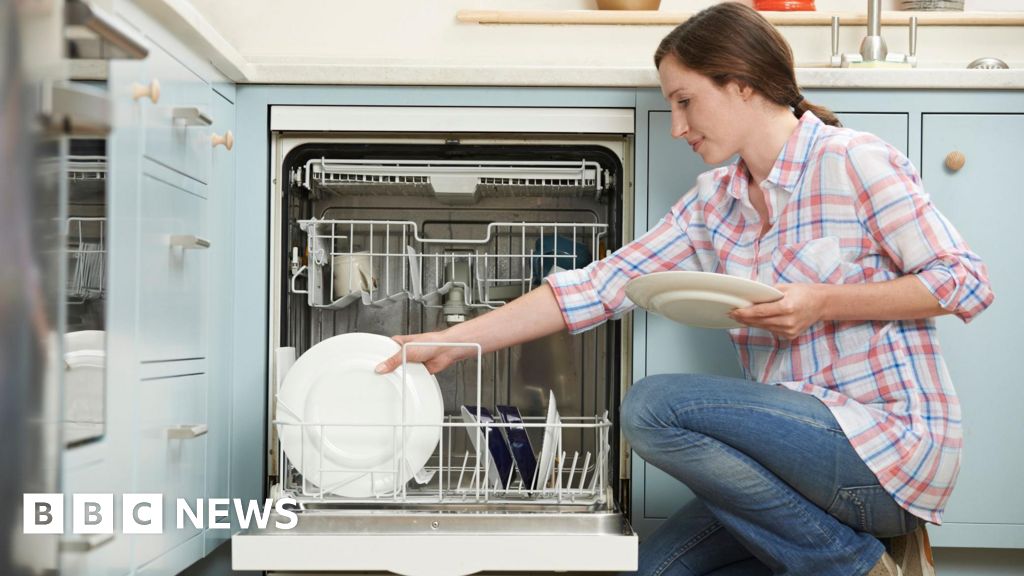
The manner in which items are arranged within a dishwasher directly impacts the efficacy of the cleaning cycle. A systematic approach to loading ensures that water jets can reach all surfaces, detergents are distributed evenly, and drainage is unimpeded. A foundational principle for placement dictates that larger, more robust items, particularly those from which food is consumed, should occupy the lower rack. This includes dinner plates, serving platters, and larger bowls, which benefit from the more powerful spray arms typically located at the bottom of the appliance. Conversely, lighter, more delicate items, such as glasses, cups, and smaller bowls, are best placed on the upper rack, where the water pressure is generally less intense, mitigating the risk of damage or displacement.

Crucially, items must be oriented with their soiled surfaces facing the central spray mechanism to maximize direct exposure to the high-pressure water streams. Overlapping or nesting items, particularly in the cutlery basket where spoons can ‘spoon’ together, creates shadowed areas that prevent thorough cleaning. Bowls should be angled downwards to prevent water accumulation, which can lead to incomplete drying or the collection of dirty water. Maintaining adequate spacing between all items is vital for unobstructed water flow and circulation, allowing both the wash water and rinse aid to reach every surface. Overloading the appliance is a common error that severely compromises cleaning performance, irrespective of detergent quality. When the dishwasher is excessively packed, water circulation is restricted, leading to uneven cleaning and necessitating subsequent manual cleaning or re-running the cycle, which nullifies any perceived time or energy savings.
3. Centralizing the Most Heavily Soiled Items
Achieving uniform cleanliness across a diverse load of dishes often requires an understanding of the dishwasher’s internal dynamics, particularly the distribution of spray intensity. Stubborn food residues, such as those left by dried cereal, scrambled eggs, or starchy dishes with high protein content, are notoriously difficult to remove. These "worst offenders" demand the most vigorous cleaning action available within the appliance.
Research indicates that the highest spray intensity and detergent concentration often occur in the central region of the dishwasher’s racks. Therefore, strategically positioning the most heavily soiled items in this zone significantly enhances the likelihood of their thorough cleaning during a single cycle. This targeted placement leverages the full power of the appliance’s cleaning mechanism, ensuring that persistent residues are subjected to the maximum mechanical and chemical action. Optimizing the placement of these challenging items minimizes the frustration of discovering inadequately cleaned dishes post-cycle, thereby reducing the need for re-washing. This practice contributes to both household efficiency and economic savings by preventing wasted water, energy, and detergent associated with repeat cycles. Understanding and utilizing these high-intensity cleaning zones is a key factor in achieving consistently gleaming results and maximizing the utility of the automated dishwashing process.
4. The Indispensable Role of Detergents and Water Softeners
For a dishwasher to perform optimally, it requires a carefully balanced chemical regimen involving detergent, salt, and rinse aid. Detergent tablets are fundamental to the cleaning process, containing a sophisticated blend of active ingredients. These include enzymes, which biochemically break down organic food matter like proteins and starches; surfactants, which reduce the surface tension of water, allowing it to penetrate and lift grease and food particles more effectively; and often, bleach agents for stain removal and sanitization. The efficacy of these components is critical for dissolving tough residues and ensuring hygienic cleanliness.

Beyond detergents, the role of dishwasher salt is frequently underestimated, particularly in regions with hard water. Hard water, rich in mineral ions like calcium and magnesium, can precipitate as limescale deposits, which not only leave unsightly white marks on glassware and cutlery but also accumulate within the appliance’s internal components. This buildup can impair heating elements, block spray arms, and reduce overall efficiency. Dishwasher salt, which is a specific type of sodium chloride, regenerates the ion-exchange resin within the dishwasher’s water softening system, effectively removing these hardness-causing minerals from the incoming water. Even "all-in-one" detergent tablets, which often claim to include salt, may not provide sufficient softening for all water hardness levels, making supplementary salt a vital long-term maintenance measure for the appliance’s longevity and performance.
Furthermore, rinse aid serves a crucial function in the drying process. By lowering the surface tension of water droplets, it prevents them from forming beads and clinging to dish surfaces. Instead, water sheets off cleanly, significantly reducing water spotting and aiding in rapid, streak-free drying. This not only enhances the aesthetic appearance of cleaned items but also contributes to the overall efficiency of the drying cycle, potentially reducing energy consumption.

5. Identifying Items Incompatible with Automated Washing
While dishwashers are engineered for convenience, certain kitchen items are simply not suited for the high temperatures, intense water pressure, and abrasive detergents characteristic of an automated wash cycle. Understanding these incompatibilities is crucial for preserving the integrity and longevity of cookware and utensils.
Non-stick cookware, for instance, is highly susceptible to damage. The high heat and aggressive detergents can degrade the non-stick coating over time, leading to flaking, reduced efficacy, and the potential release of chemicals into food. Sharp knives, particularly those with finely honed edges, can become dull prematurely due to repeated contact with other items and the harsh spray. Moreover, the detergents can cause corrosion or pitting on certain types of steel, especially carbon steel. Wooden items, including cutting boards, spoons, and knife handles, are particularly vulnerable to the dishwasher environment. The combination of prolonged exposure to water, high heat, and rapid drying cycles can cause wood to warp, crack, splinter, and lose its protective finish, significantly shortening its lifespan.

Beyond material degradation, practical considerations also dictate exclusions. Items with adhesive labels, such as new jars or bottles, should never be placed in a dishwasher. The adhesive can dissolve and detach, potentially clogging the appliance’s filter and spray arms, leading to costly repairs or diminished cleaning performance. Delicate items like fine crystal, hand-painted ceramics, or antique dishware may also suffer from etching, fading, or breakage due to the harsh wash conditions. Careful consideration of material properties and manufacturing recommendations is therefore essential to prevent damage and ensure the longevity of valuable kitchenware.
In conclusion, the sophisticated engineering of modern dishwashers offers unparalleled convenience, but their full potential is realized only through informed user practices. Adhering to these five fundamental principles—avoiding pre-rinsing, strategic loading, targeted placement of soiled items, proper use of chemical agents, and judicious selection of dishwasher-safe items—transforms the automated washing process from a mere chore into an optimized, efficient, and cost-effective household operation. These guidelines not only guarantee gleaming dishes but also contribute significantly to the longevity and sustained performance of the appliance, fostering a more sustainable approach to kitchen hygiene.




 Aura Kasih
 Safa Marwah
 Ayu Aulia