
 Ridwan Kamil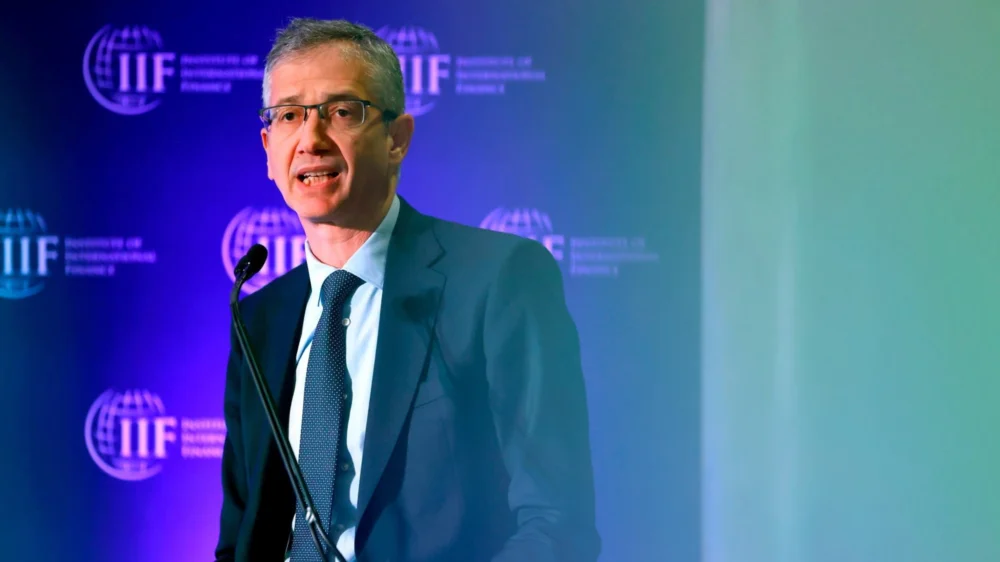
Spain has officially thrown its hat into the ring, signalling its intention to vie for the prestigious presidency of the European Central Bank (ECB) when Christine Lagarde’s term concludes, positioning itself as an early contender in a race that is expected to draw significant international interest.
The European Central Bank, a linchpin of the eurozone’s economic stability, is poised to enter a period of significant leadership transition. As Christine Lagarde’s mandate draws to a close, a complex geopolitical and economic calculus will underpin the selection of her successor. Spain’s proactive stance underscores its growing influence within the European Union and its aspiration to shape the future trajectory of monetary policy for the 20-member currency bloc. The timing of this declaration is strategic, allowing Madrid to begin building consensus and laying the groundwork for its preferred candidate well in advance of the formal nomination process.
The potential candidacy of a Spanish nominee for the ECB presidency is a development imbued with considerable significance, reflecting not only the country’s economic weight but also its evolving role in the EU’s institutional architecture. Spain, as the fourth-largest economy in the eurozone, has historically played a crucial role in discussions surrounding fiscal policy and economic integration. Its assertion of interest in the ECB’s top job suggests a desire to translate this influence into direct leadership at a critical juncture for the European economy.
A Field of Potential Contenders and Geopolitical Maneuvering
While Spain has been the first to overtly signal its intentions, the race for the ECB presidency is anticipated to be fiercely competitive, involving a constellation of prominent European figures. The selection process is inherently political, requiring a delicate balancing act between national interests, economic expertise, and the overarching need for consensus among EU member states. Several countries are expected to put forward candidates, each with their own merits and political backing.
Among the potential contenders, Germany, as the eurozone’s largest economy, often harbours ambitions for such high-profile European roles. Italy, with its significant economic challenges and a history of producing influential policymakers, is another nation that could present a strong candidate. France, currently holding the presidency, also has a vested interest in influencing the outcome. Furthermore, Nordic countries and other member states with strong economic credentials may also seek to nominate individuals capable of steering the ECB through complex economic headwinds.
The succession of the ECB president is not merely an administrative transition; it is a pivotal moment that can shape the direction of monetary policy for years to come. The individual chosen will inherit a mandate to navigate persistent inflation, the ongoing green transition, and the broader geopolitical uncertainties that continue to impact the European economic landscape. The candidates’ track records, their economic philosophies, and their ability to command broad support across diverse member states will be under intense scrutiny.
Spain’s Case: Economic Credentials and EU Integration
Spain’s bid for the ECB presidency is likely to be built upon a foundation of its economic performance and its commitment to European integration. In recent years, Spain has demonstrated resilience in its economic recovery, particularly following the COVID-19 pandemic. Its labour market reforms, its growing focus on renewable energy, and its continued integration within the EU framework provide a narrative of a dynamic and forward-looking economy.
A Spanish candidate would likely bring a perspective shaped by the experiences of a southern European economy, potentially emphasizing the importance of inclusive growth, fiscal prudence alongside investment in growth-enhancing sectors, and a balanced approach to monetary and fiscal policy coordination. This could offer a valuable counterpoint to perspectives predominantly shaped by the economic realities of northern European nations.
Furthermore, Spain’s consistent engagement with EU institutions and its role in key policy debates within the European Council and other forums would be presented as evidence of its suitability for a role that demands extensive diplomatic skill and a deep understanding of the intricate workings of the Union. The ability to forge consensus among a diverse group of member states, each with its own economic priorities and sensitivities, is paramount for any successful ECB president.
Navigating Economic Challenges and the Future of Monetary Policy
The next ECB president will assume leadership at a time of considerable economic complexity. Inflation, while showing signs of moderation, remains a persistent concern for households and businesses across the eurozone. The central bank’s ongoing efforts to bring inflation back to its 2% target will continue to be a central focus. This requires a nuanced approach, balancing the need for price stability with the imperative of supporting sustainable economic growth.
The transition to a greener economy also presents both opportunities and challenges for monetary policy. The ECB has a crucial role to play in supporting the financing of this transition, while also ensuring that climate-related risks are adequately incorporated into its financial stability assessments and its monetary policy operations. A candidate with a forward-looking vision for the integration of climate considerations into central banking would be highly valued.
Moreover, the geopolitical landscape, including the ongoing war in Ukraine and its ripple effects on energy prices and supply chains, necessitates a vigilant and adaptable monetary policy. The ECB president must be capable of responding swiftly and effectively to unforeseen shocks and maintaining market confidence in the face of uncertainty.
The Selection Process: A Blend of Meritocracy and Political Negotiation
The formal process for selecting the ECB president typically involves nominations by member states, followed by consultations among EU leaders. The European Parliament also plays a role, with candidates appearing before its committees to present their vision and answer questions. Ultimately, the decision is made by the European Council, requiring a qualified majority.
This multi-stage process underscores the inherently political nature of the selection. While economic expertise and a strong track record are essential qualifications, the ability to garner broad political support across different national capitals and ideological lines is equally critical. Spain’s early declaration of intent suggests a strategic effort to build this support network proactively.
The eventual choice of the next ECB president will be a testament to the complex interplay of national interests, economic pragmatism, and the overarching goal of ensuring the stability and prosperity of the eurozone. Spain’s decisive entry into this high-stakes contest signals its determination to be a significant player in shaping the future of European monetary policy. As other potential candidates emerge, the coming months are expected to witness a robust debate and intense diplomatic maneuvering as Europe’s leaders seek to identify a leader capable of steering the ECB through its next critical chapter. The outcome will have profound implications for the economic well-being of millions across the continent.


 Aura Kasih
 Safa Marwah
 Lisa Mariana


 Ayu Aulia