Lisa Mariana
The National Health Service has expended nearly £50 million of public funds on an outsourced firm tasked with evaluating claims of harm attributed to vaccines, a figure that dramatically exceeds initial projections and surpasses the total compensation disbursed to those adversely affected by COVID-19 immunizations. This substantial financial outlay underscores critical challenges within the Vaccine Damage Payment Scheme (VDPS) and raises significant questions regarding public sector procurement and financial oversight during unprecedented public health crises.
The revelation highlights a profound disparity between the administrative costs of assessing claims and the actual financial support provided to individuals. Crawford & Company Adjusters, the firm responsible for these medical assessments since March 2022, saw its five-year contract, originally estimated at £6 million, escalate to nearly eight times that amount. This exponential increase has prompted the NHS to transition the assessment responsibilities to a new provider in the coming months, even though Crawford’s original contract still has over a year remaining. The extraordinary "level of contract spend," according to an NHS spokesperson, is primarily attributable to the volume of claims far surpassing initial anticipations.
The Vaccine Damage Payment Scheme: A Historical Overview and Contemporary Strain
Established in 1979, the Vaccine Damage Payment Scheme (VDPS) serves as a vital safety net, offering a one-off, tax-free payment to individuals who can medically prove, on the balance of probability, that a vaccine has caused severe disability. Historically, the scheme has handled a relatively modest number of claims, reflecting the generally low incidence of severe adverse reactions to vaccines. The fundamental premise of the VDPS is to acknowledge and compensate the rare instances where individuals suffer significant harm, thereby reinforcing public confidence in vaccination programmes while providing crucial support to those affected.
The advent of the COVID-19 pandemic and the subsequent global vaccination campaigns placed an unprecedented strain on this long-standing scheme. The rapid rollout of novel vaccines, particularly the AstraZeneca jab, which is credited with saving millions of lives worldwide, also led to a significant increase in reported adverse events, albeit rare. While the benefits of widespread vaccination in mitigating severe disease and mortality from COVID-19 are extensively documented and scientifically robust, the focus of the VDPS remains on the minority of individuals who experienced severe and life-altering injuries.
An Unprecedented Surge in Claims and Disproportionate Outcomes
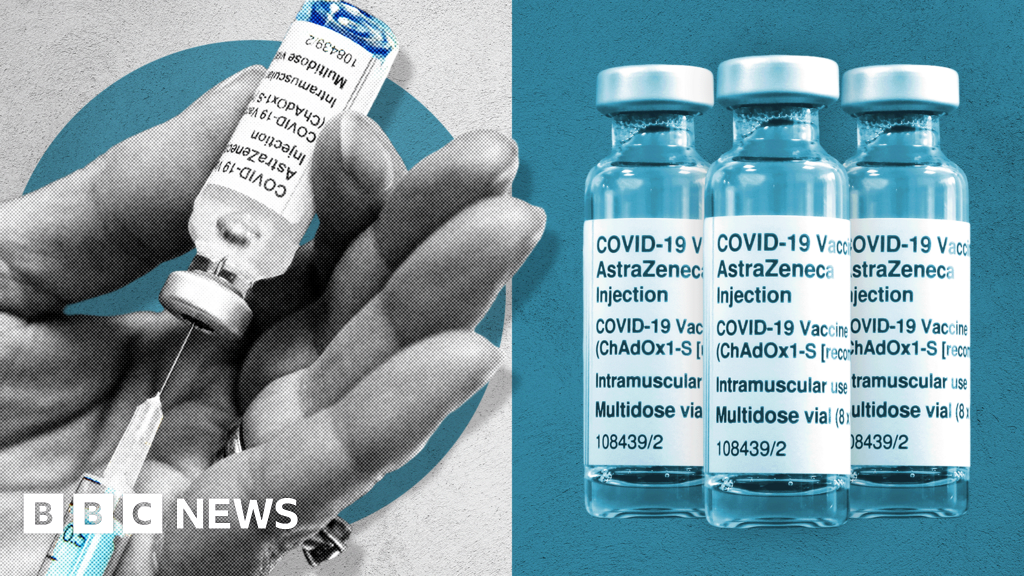
The scale of claims related to COVID-19 vaccines is unparalleled in the VDPS’s history. Over 22,000 claims have been lodged, with the majority specifically citing the AstraZeneca vaccine. This volume represents more than three times the total number of claims submitted under the VDPS over the previous four decades for all other eligible vaccines combined. Such an overwhelming influx posed immediate operational challenges for the scheme, demanding a robust and efficient assessment mechanism.
Despite the monumental surge in claims, the proportion of successful applications remains remarkably low. As of mid-November last year, only 249 individuals had received compensation for harm linked to COVID-19 vaccinations. These payouts totalled £29.8 million, funded directly by the UK government and distinct from the administrative costs incurred by Crawford. This stark contrast – nearly £50 million spent on assessing claims versus less than £30 million paid out in compensation – raises profound questions about the efficiency, fairness, and overall financial management of the scheme. The low success rate, approximately 1% of all claims, suggests a rigorous, potentially stringent, assessment process, but also highlights the significant administrative burden and associated costs even for unsuccessful applications.
Scrutiny of Contractual Design and Escalating Expenditures
The financial trajectory of Crawford & Company Adjusters’ contract has drawn sharp criticism and extensive analysis. The initial five-year agreement, valued at an estimated £6 million, was exhausted within just 14 months of the firm commencing its assessment work in March 2022. Public data and subsequent analysis reveal that monthly payments to Crawford rapidly escalated. At one point, the NHS disbursed £5.9 million in a single month to the firm, a figure almost equivalent to the contract’s original entire estimated value. This dramatic escalation has prompted an urgent re-evaluation of the contractual framework and procurement processes employed by the NHS.
Legal and procurement experts have expressed concerns regarding the structure of the initial contract. Professor Albert Sanchez-Graells of the University of Bristol Law School, a seasoned researcher in NHS contracts, described the nature of the Crawford contract as "peculiar." He posited that given the "significant uncertainty" surrounding the potential volume of claims at the time the contract was formulated, a shorter agreement with a defined cap on processed claims would have been a more prudent and fiscally responsible approach. Relying on "firm contracts in uncertain situations carries significant commercial risks," Sanchez-Graells noted, suggesting a potential misjudgment in the procurement strategy.
The NHS, in response to inquiries about the spiralling costs and the contract’s formulation, cited the "complex" nature of public sector procurement and the varying timelines involved in establishing such agreements. However, this explanation falls short of addressing why mechanisms for cost control or contract review were not more rigorously implemented or why the contract did not incorporate greater flexibility to adapt to unforeseen volumes. The decision to initiate a search for a new provider only in September 2023, while expenditures continued to mount dramatically, further underscores potential lapses in proactive financial management and oversight.
Implications for Public Trust and Resource Allocation
The revelation of nearly £50 million spent on assessing vaccine harm claims carries significant implications beyond mere financial figures. Firstly, it raises serious questions about the judicious allocation of taxpayer money. Funds diverted to inflated administrative costs for vaccine injury assessments represent resources that could otherwise have been invested in direct healthcare services, infrastructure, or other pressing NHS priorities. In a healthcare system frequently operating under immense financial pressure, such an overspend is particularly egregious.
Secondly, the discrepancy between assessment costs and compensation payouts could erode public trust in government contracting and the efficiency of public services. Transparency and accountability in public expenditure are paramount, especially when dealing with sensitive issues like vaccine-related harm. The perception that a disproportionate amount of money is being spent on administration rather than direct support for affected individuals can undermine confidence in the system designed to help them.
Furthermore, the sheer volume of claims and the protracted assessment process, compounded by the administrative costs, highlight the inherent challenges in managing a scheme like the VDPS during an unprecedented health crisis. For those who believe they have suffered harm, delays and the low success rate can lead to frustration and a sense of injustice, regardless of the scientific validity of their claims. The administrative burden also affects the healthcare professionals and legal experts involved, potentially diverting their time from other critical duties.
The Path Forward: A New Provider and Forthcoming Reforms
In a move signaling an acknowledgment of the previous contract’s inefficiencies, the responsibility for medical assessments under the VDPS is being transferred to Maximus UK Services Limited, another US-based provider. While the exact commencement date remains unconfirmed, the new five-year contract is estimated at £27 million. This figure, though significantly higher than Crawford’s original estimate, is notably less than the actual amount disbursed to Crawford over its tenure. Crucially, the NHS spokesperson indicated that the value of the new contract has been calculated based on the anticipated rate of new claims and incorporates a flexibility clause, allowing for adjustments if claim volumes deviate from projections. This suggests a valuable lesson has been learned regarding the need for adaptable contractual arrangements in uncertain environments.
The future of the VDPS itself is also under active review. Health Secretary Wes Streeting is currently scrutinizing potential reforms to the scheme. Additionally, the workings of the VDPS were a specific focus of the comprehensive COVID-19 inquiry, with a detailed report on its findings expected to be published on April 16. These concurrent reviews present a critical opportunity to re-evaluate the VDPS’s structure, criteria, and operational efficiency. Potential reforms could include adjustments to the compensation amount, a re-evaluation of the threshold for "severe disability," or a streamlining of the assessment process to ensure greater fairness and promptness for claimants while also ensuring fiscal prudence. The insights gleaned from the pandemic’s impact on the scheme are poised to shape a more resilient and equitable system for addressing vaccine-related harm in the future, balancing the imperative of public health with the welfare of individuals.




 Aura Kasih
 Safa Marwah
 Ayu Aulia