Lisa Mariana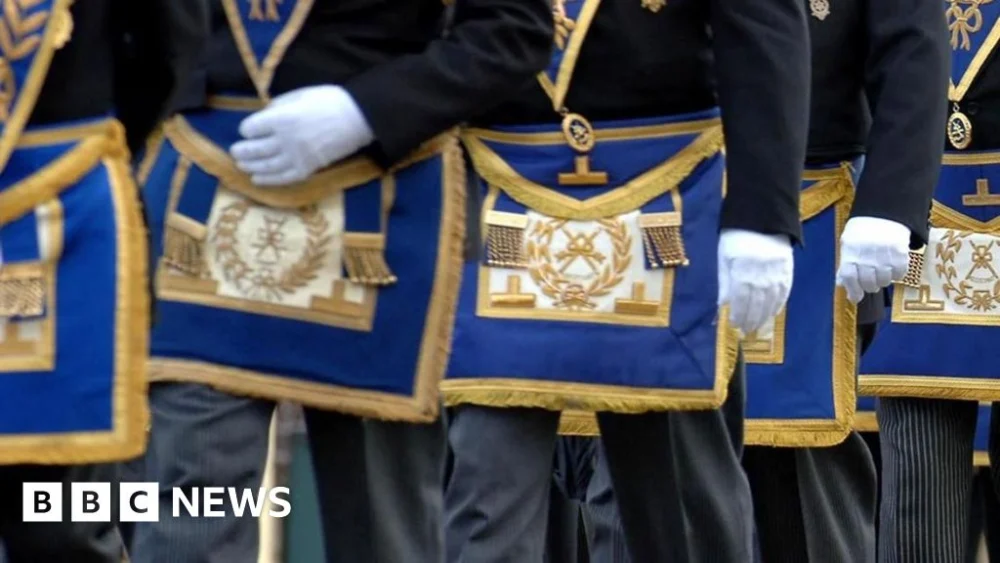
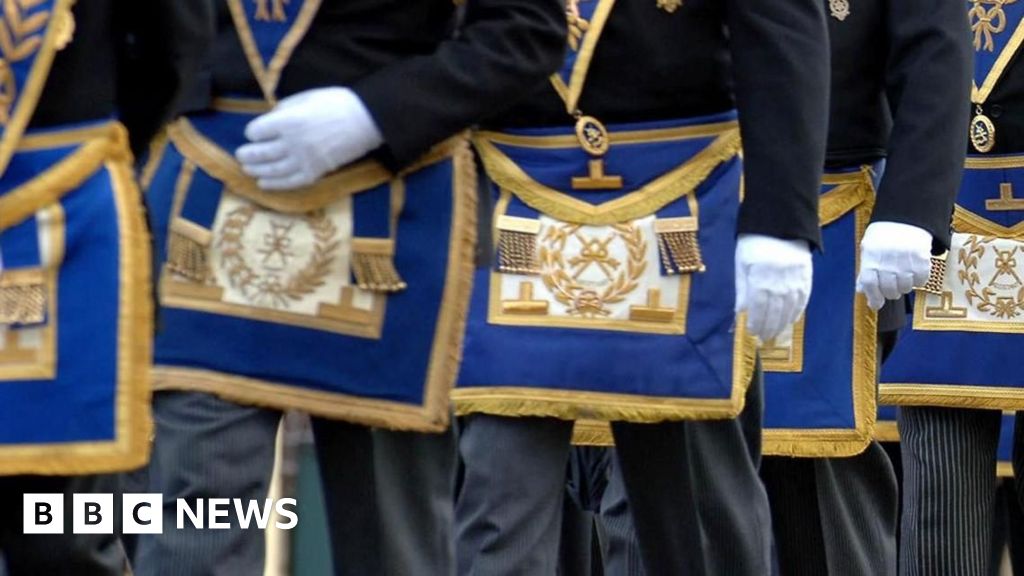
A recent judicial decision has upheld the Metropolitan Police Service’s controversial mandate compelling its personnel to reveal any current or past affiliations with organizations such as the Freemasons, effectively dismissing a legal challenge brought by several prominent Masonic bodies and serving officers. The ruling signifies a significant victory for the Met in its ongoing efforts to enhance transparency and public confidence, particularly in the wake of widespread scrutiny regarding its ethical standards and operational integrity.
On Tuesday, a High Court judge, Mr. Justice Chamberlain, ruled that the Met’s policy requiring the declaration of membership in certain fraternal societies "serves a legitimate aim, maintaining and enhancing public trust in policing, and is proportionate." This judgment effectively clears the path for the force to continue implementing a policy that has generated considerable debate about the balance between an individual’s right to privacy and the public’s right to assurance regarding the impartiality of law enforcement.
The legal action was initiated by three organizations representing Freemasons across England, Wales, the Isle of Man, and the Channel Islands—the United Grand Lodge of England (UGLE), the Order of Women Freemasons, and the Honourable Fraternity of Ancient Freemasons—alongside two serving police officers who are members of the fraternity. Their challenge sought to overturn the Met’s directive, which was formally introduced in December, mandating the disclosure of "past or present" membership in any organization characterized by a hierarchical structure, confidential membership, and a requirement for members to support and protect each other. To date, approximately 400 Met officers and staff have already complied with this new facet of the declarable associations policy.
The Genesis of the Policy and the Legal Battle
The Metropolitan Police’s decision to include Freemasonry and similar groups in its declarable associations policy stemmed from a broader strategic initiative aimed at rebuilding public trust and addressing perceptions of undue influence or conflicts of interest within the force. For decades, the relationship between police forces and fraternal organizations, particularly Freemasonry, has been a subject of public conjecture and occasional controversy. Critics have often raised concerns about the potential for secret allegiances to compromise impartiality, foster preferential treatment, or create a perception of an opaque network operating outside conventional accountability structures.
Freemasonry itself is a fraternal society with roots stretching back over 600 years, evolving from medieval European stonemason guild traditions. Characterized by its unique rituals, symbols, and an emphasis on moral and ethical self-improvement, it maintains a degree of secrecy regarding its internal workings and membership. While proponents emphasize its charitable work and community engagement, the perceived closed-door nature of its gatherings has historically fueled speculation and, at times, suspicion, particularly when its members hold positions of public trust.
During the High Court hearing on February 11, legal representatives for the claimants, led by Claire Darwin KC, argued strenuously against the policy. They contended that the Met’s decision was tantamount to creating a "blacklist," an "institutional signal of suspicion," and a breach of Freemasons’ fundamental human rights. Darwin further asserted that the policy was predicated on "limited, opaque and heavily perception-driven" evidence and appeared to rely on "long-standing conspiracy theories and/or prejudicial tropes about Freemasons" rather than substantiated concerns. The core of their argument rested on the premise that the policy unjustly targeted a specific group without adequate justification, infringing upon members’ rights to private life and freedom of association.
Conversely, barristers representing the Metropolitan Police, led by James Berry KC, urged the court to dismiss the challenge. They firmly rejected the notion that the policy would lead to a "blacklist," stating unequivocally that employees were "free to become or remain Freemasons." Berry emphasized that claims of human rights breaches were "without merit" and that fears of stigmatization were "not supported by the evidence." He articulated the Met’s position that while it was not responsible for any pre-existing "stigma associated with Freemasonry," it bore the responsibility for addressing such perceptions in relation to police duties to maintain public confidence in the force’s impartiality and transparency. The Met’s defense underscored its commitment to demonstrating to the public that all officers operate without hidden agendas or loyalties that could conflict with their sworn duties.
Judicial Reasoning and Implications
Mr. Justice Chamberlain’s 17-page ruling provided a comprehensive dissection of the legal arguments. He concluded that the grounds for the proposed legal challenge were not "reasonably arguable," finding the policy neither discriminatory nor "unduly stigmatizing" against Freemasons. Crucially, the judge articulated that allowing individual officers and staff to make ad hoc decisions about declaring their Masonic membership would not effectively "achieve the object of maintaining or enhancing public trust." This highlights the court’s recognition of the Met’s proactive approach to managing potential conflicts of interest and ensuring a consistent standard of transparency across its workforce.
The judgment is a significant endorsement of the Met’s reform agenda, particularly under the leadership committed to addressing historical criticisms and rebuilding institutional credibility. Commander Simon Messinger, speaking on behalf of the Met, welcomed the decision, stating, "We had been prepared to robustly defend our decision through the courts, so today’s judgment is welcome." This sentiment underscores the force’s conviction in the necessity and legitimacy of its policy.
However, the Freemason organizations expressed their disappointment with the ruling. Adrian Marsh, Grand Secretary of UGLE, speaking for the three groups, reiterated their position: "We maintain that we have an obligation to protect our members from discrimination, which, in our view, will do nothing to improve on the Metropolitan Police’s delivery on its mandate to keep London safe by reducing crime, building public trust and upholding high standards." Despite their disappointment, Marsh noted that they had "received several assurances" regarding the secure handling of officer and staff data under the new policy, suggesting an ongoing dialogue and a degree of pragmatism in navigating the new landscape.
Broader Context: Transparency, Ethics, and Public Trust in Policing
The legal battle over Freemason disclosure is not an isolated incident but rather a microcosm of a broader, ongoing societal debate concerning transparency, accountability, and ethical governance within public institutions, particularly law enforcement. Police forces worldwide grapple with the delicate balance between protecting the privacy rights of their employees and upholding the public’s expectation of absolute impartiality and freedom from hidden influences.
Historically, various commissions and reports in the UK have touched upon the issue of police officers belonging to secret societies. Concerns have periodically surfaced regarding potential "cronyism," the subversion of justice, or the creation of an "old boys’ network" that could impede fair and equitable policing. While no definitive evidence of widespread malpractice directly attributable to Masonic membership within the Met has been publicly presented, the perception of such possibilities can be corrosive to public trust. The Met’s policy, therefore, can be viewed as a preventative measure, designed to proactively address these perceptions and fortify its ethical framework.
From an ethical standpoint, the policy aligns with principles of integrity and transparency, which are cornerstones of effective policing. The public must have unwavering confidence that police officers perform their duties without personal bias, external loyalties, or conflicts of interest that could compromise their judgment. While membership in a fraternal society is a private matter, when that membership could be perceived to create an allegiance that potentially conflicts with public duty, a disclosure requirement becomes a tool for managing such perceptions.
Future Outlook and Precedent
This High Court decision sets a significant precedent, not just for the Metropolitan Police but potentially for other police forces and public bodies across the United Kingdom. It affirms the legality and proportionality of mandating disclosures for private affiliations when such disclosures are deemed necessary to maintain public trust in critical public services. Other forces, which may have previously shied away from such explicit policies due to potential legal challenges, might now reconsider their own approaches to declarable associations.
For Freemasonry, the ruling necessitates an adaptation to a new operational reality for its members within the police service. While the courts have upheld the Met’s right to implement the policy, the organizations will likely continue their efforts to ensure that the data collected is handled responsibly and that their members are not unfairly discriminated against or stigmatized. The "assurances" mentioned by Adrian Marsh indicate a potential shift towards engagement rather than outright confrontation in the future.
Ultimately, the judgment reinforces the paramount importance of public confidence in the integrity of law enforcement. It signals that in cases where the right to privacy intersects with the imperative of public trust, the latter may, under certain justifiable conditions, take precedence. The Met Police’s victory in this legal challenge is not merely about Freemasonry; it is a broader affirmation of its authority to implement robust transparency measures as part of its ongoing journey towards greater accountability and renewed public faith. The debate over the optimal balance between individual liberty and institutional transparency will undoubtedly continue, but for now, the legal landscape has been clarified in favor of the latter for London’s police force.




 Aura Kasih
 Safa Marwah
 Ayu Aulia