Lisa Mariana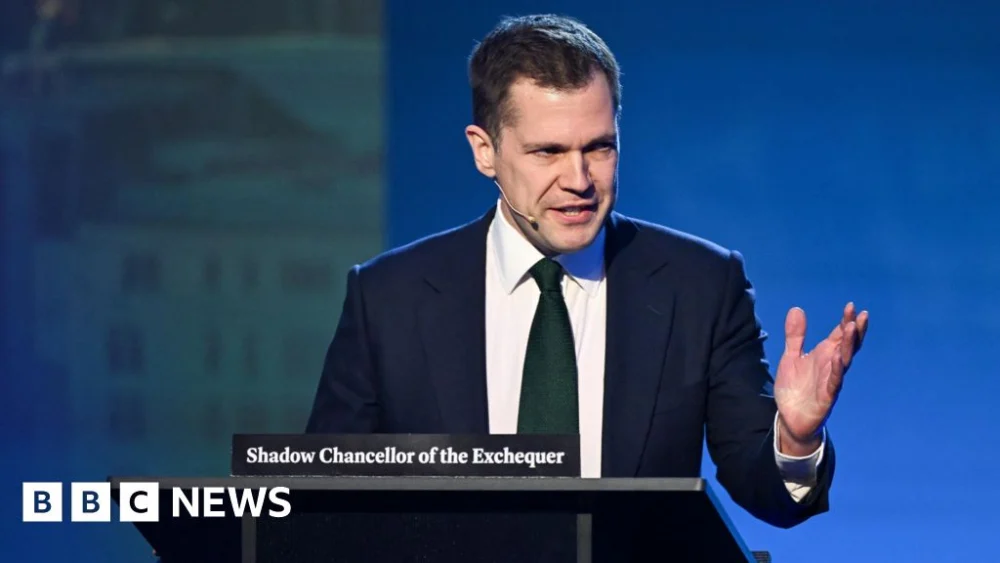
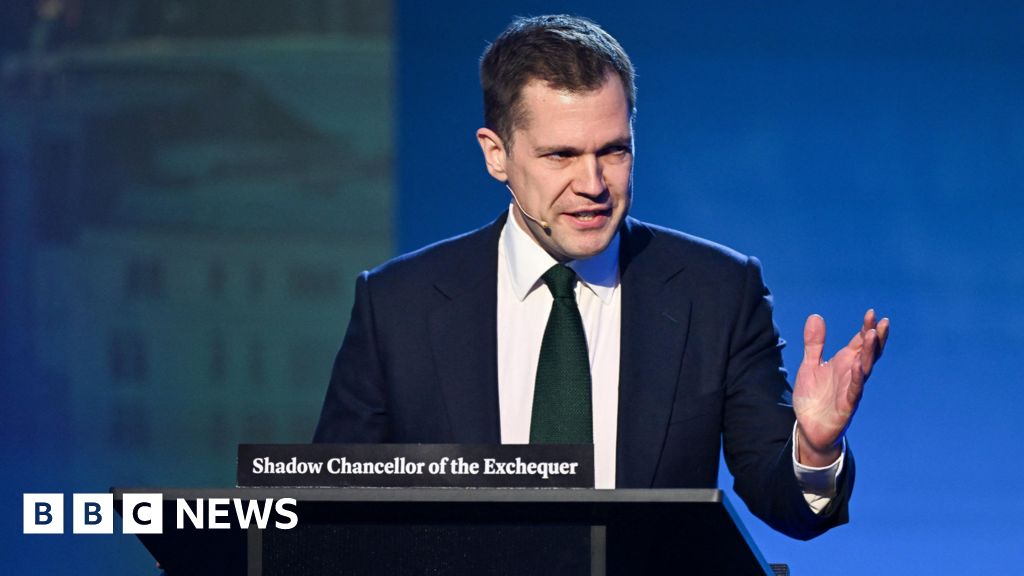
Reform UK has formally unveiled its prospective ministerial team, appointing Robert Jenrick, a prominent former Conservative minister, as its Shadow Chancellor of the Exchequer. This strategic move, announced following Jenrick’s defection last month, underscores the party’s ambition to present a credible government-in-waiting ahead of the forthcoming general election. The formation of this shadow cabinet, a significant development for the rapidly ascending political entity, includes several high-profile figures, each assigned a portfolio critical to the party’s core agenda.
Robert Jenrick’s selection for the pivotal role of Shadow Chancellor signals Reform UK’s intent to robustly challenge the economic narratives of both the incumbent government and the primary opposition. During his announcement, Jenrick articulated a vision centered on economic stability, stringent fiscal discipline, and a significant reduction in the national benefits expenditure. He further committed to a platform of tax reductions, advocating for policies designed to stimulate economic growth and alleviate the financial burden on individuals and businesses. This comprehensive economic agenda is poised to form a cornerstone of Reform UK’s appeal, aiming to resonate with voters concerned about national debt, the cost of living, and the overall trajectory of the UK economy.
Jenrick’s political trajectory provides substantial context to this appointment. Having served in significant ministerial roles within Conservative governments, including as Secretary of State for Housing, Communities and Local Government, he brings a depth of experience in public policy and administration. His defection from the Conservative Party, a move that reverberated across the political landscape, was framed by Jenrick as a necessary step to advance genuine conservative principles which he felt had been abandoned by his former party. His transition to Reform UK is interpreted by many analysts as a significant ideological alignment, solidifying Reform UK’s position as a potent force on the right of the political spectrum. His emphasis on fiscal prudence, reduction of government waste, and tax cuts aligns squarely with the anti-establishment, low-tax ethos that has long characterized the Reform UK movement and its predecessors. The challenge for Jenrick will be to translate these broad principles into detailed, costed proposals that can withstand rigorous public and expert scrutiny, particularly given the UK’s current economic complexities and fiscal constraints.
Beyond the Shadow Chancellorship, Reform UK has meticulously allocated other key portfolios, constructing a team designed to project competence and ideological coherence. Richard Tice, a long-standing figure within the Reform UK movement and its former leader, has been entrusted with the business, trade, and energy brief. Tice’s background as a successful businessman and his consistent advocacy for free markets and deregulation position him as a natural fit for this role. His mandate will likely involve championing policies aimed at boosting entrepreneurship, streamlining trade agreements, and ensuring energy security, potentially through a renewed focus on domestic production and diversified sources, a stance often divergent from mainstream environmental policies. His appointment underscores the party’s commitment to presenting a pro-business, growth-oriented economic model.
In the critical domain of home affairs and immigration, Zia Yusuf has been appointed. Immigration policy has consistently been a defining issue for Reform UK, attracting significant voter attention and serving as a key differentiator from other parties. Yusuf’s role will involve articulating and defending the party’s robust stance on border control, legal migration limits, and the integration of new arrivals. This portfolio is particularly sensitive and high-profile, reflecting the public’s ongoing concerns about migration levels and their perceived impact on public services and national identity. The choice of Yusuf for this role indicates the party’s determination to maintain a firm and unapologetic position on these matters, which resonate deeply with a segment of the electorate.
Perhaps one of the most striking appointments is that of Suella Braverman, another former Conservative cabinet minister, who has been designated to oversee education and skills. Braverman’s previous tenure as Home Secretary was marked by her outspoken and often controversial views on social issues, national identity, and cultural values. Her move to Reform UK, like Jenrick’s, signifies a further fracturing of the traditional Conservative base and provides Reform UK with another recognizable figure known for her commitment to conservative principles. In her new role, Braverman is expected to advocate for an education system that prioritizes traditional academic rigor, national curriculum standards, and a focus on vocational skills, potentially challenging contemporary pedagogical approaches and debates surrounding ‘woke’ ideology in schools. Her appointment reinforces Reform UK’s intention to engage in the broader ‘culture war’ debates, using education as a key battleground.
Nigel Farage, the charismatic leader of Reform UK, presented his new leadership team as a "shadow cabinet," a clear rhetorical and strategic move to position the party as the authentic alternative to the current Labour government. Farage emphatically declared Reform UK to be "the voice of opposition," a statement that carries significant weight given the current political climate. This assertion directly challenges the traditional role of the official opposition, currently held by the Conservative Party, suggesting that Reform UK believes it more accurately represents the dissenting voices within the electorate. The establishment of a shadow cabinet, typically a feature of major parties vying for power, aims to lend an air of seriousness and governmental readiness to a party that, until recently, was often dismissed as a protest movement. It signals a shift from merely critiquing government policy to actively proposing alternative governance structures and policies.
The formation of this shadow cabinet occurs against a backdrop of significant political turbulence in the United Kingdom. Reform UK, which evolved from the Brexit Party, has seen a remarkable surge in public support, often at the expense of the Conservative Party. This rise can be attributed to several factors, including widespread voter disillusionment with the mainstream political establishment, persistent economic challenges such as inflation and stagnant growth, and ongoing debates surrounding immigration and national identity. Farage’s return to frontline politics and his subsequent leadership of Reform UK have undoubtedly amplified the party’s visibility and appeal, particularly among segments of the electorate feeling unrepresented by the two dominant parties.
Expert analysis suggests that these appointments will have multifaceted implications for the UK’s political landscape. For the Conservative Party, the defections of figures like Jenrick and Braverman represent more than just a loss of personnel; they symbolize a deeper ideological split and an erosion of the party’s traditional right-wing base. This "brain drain" to Reform UK could further destabilize the Tories, making it more challenging for them to reunite their fractured voting coalition. The presence of a credible Reform UK shadow cabinet could also compel the Conservative Party to adopt more hardline policies on issues such as immigration and taxation in an attempt to win back voters, potentially pushing the entire political discourse further to the right.
The impact on the broader political spectrum is equally significant. While Reform UK’s primary electoral threat appears to be directed at the Conservatives, their growing influence could also indirectly affect the Labour Party. By potentially splitting the right-wing vote in numerous constituencies, Reform UK could inadvertently facilitate Labour victories, particularly in marginal seats. However, if Reform UK manages to consolidate its position as a genuine third force, it could also begin to draw votes from disaffected Labour voters, particularly those in traditional working-class areas who feel abandoned by Labour’s perceived shift towards metropolitan liberalism.
A crucial question for Reform UK’s credibility will be its ability to present a coherent, fully costed policy platform. While broad statements about cutting waste and reducing taxes resonate with voters, the specifics of how these policies would be implemented, and their potential consequences for public services, will be subject to intense scrutiny. The economic vision put forth by Jenrick, for instance, will need to demonstrate fiscal responsibility while also outlining a clear path to economic growth and stability. The challenge for this newly formed shadow cabinet will be to move beyond populist rhetoric and articulate a detailed blueprint for governance that can withstand expert analysis and public debate.
Looking ahead, Reform UK faces immediate challenges in translating its rising poll numbers into electoral success under the UK’s first-past-the-post system. While the party’s ambition is clear, winning seats in Parliament requires more than just high national approval ratings. It demands targeted campaigning, strong local candidates, and the ability to convert widespread dissatisfaction into concentrated votes. The general election, expected within the next year, will serve as the ultimate test of Reform UK’s strategy and the efficacy of its new shadow cabinet. Their performance will be closely watched, not only for the number of seats they might win but also for their potential role as a spoiler, influencing the outcomes in numerous constituencies and potentially reshaping the balance of power in Westminster. The long-term implications for British politics could be profound, as Reform UK continues to challenge the established two-party dominance and potentially usher in a more fragmented and unpredictable political era.




 Aura Kasih
 Safa Marwah
 Ayu Aulia