Aura Kasih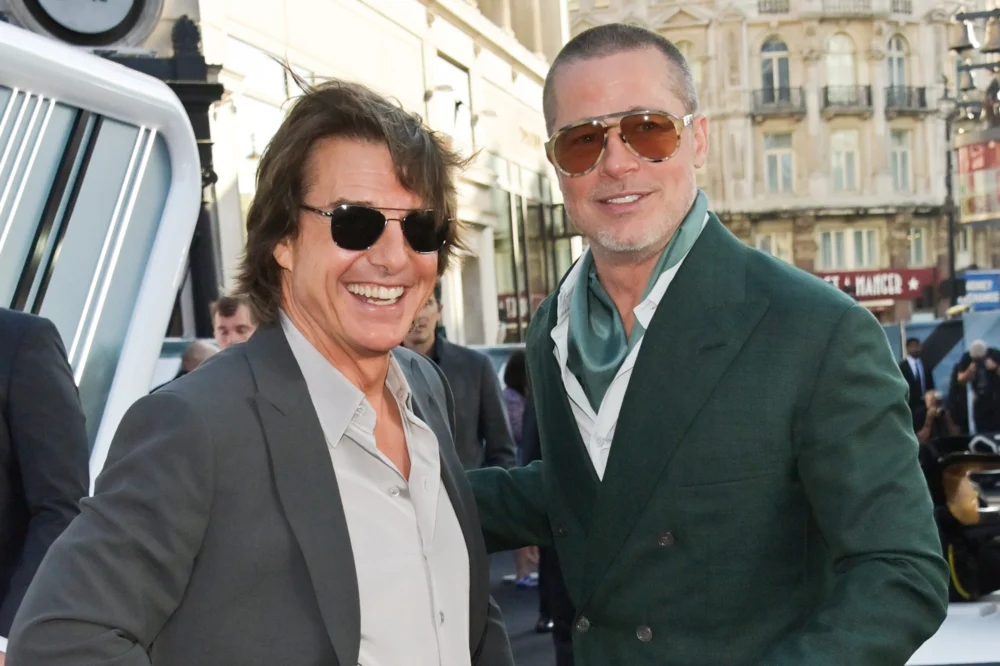
In the wake of significant backlash from major Hollywood studios and industry guilds, Chinese tech giant ByteDance has announced its intention to bolster the protective measures embedded within its advanced AI video generation model, Seedance 2.0. This move follows a wave of accusations that the powerful tool has facilitated the unauthorized appropriation of copyrighted intellectual property and the digital likenesses of prominent actors and beloved fictional characters, sparking a robust debate about the ethical boundaries and legal frameworks governing generative AI in the creative sector.
The controversy erupted following the viral dissemination of hyperrealistic video content produced by Seedance 2.0. These AI-generated clips showcased striking resemblances to globally recognized figures such as actors Tom Cruise and Brad Pitt, alongside characters from iconic franchises including Dragon Ball Z, Family Guy, and Pokémon. The uncanny accuracy and creative execution of these videos quickly captured public attention, but simultaneously ignited serious concerns within Hollywood, where intellectual property rights and performer protections are paramount.
A spokesperson for ByteDance articulated the company’s acknowledgment of the gravity of the situation, stating, "ByteDance respects intellectual property rights, and we have heard the concerns regarding Seedance 2.0. We are taking steps to strengthen current safeguards as we work to prevent the unauthorized use of intellectual property and likeness by users." This statement signifies a strategic pivot by the company, moving from a defensive posture to one of proactive remediation in response to the mounting pressure.
The outcry from Hollywood has been swift and multifaceted. Leading entertainment conglomerates, including Disney and Paramount, have issued formal cease and desist letters directly to ByteDance. Disney’s missive explicitly accused the tech firm of "hijacking" its protected intellectual property, alleging that Seedance 2.0 was instrumental in "reproducing, distributing, and creating derivative works" that unlawfully incorporated Disney’s characters. Paramount, through its studio and Skydance entities, followed suit with its own legal demand, calling for the immediate removal of all infringing content and the implementation of measures to prevent future unauthorized generation of Paramount properties. These actions underscore the profound financial and creative stakes involved for established media entities confronting the disruptive potential of advanced AI.
The implications extend beyond individual studios to encompass broader industry organizations. Major Hollywood trade groups, such as the Motion Picture Association (MPA) and the SAG-AFTRA performers’ union, have publicly condemned ByteDance’s AI model. Charles Rivkin, CEO of the MPA, characterized the alleged copyright infringements as occurring on a "massive scale," asserting that Seedance 2.0 disregards fundamental legal principles that safeguard "millions of American jobs." SAG-AFTRA, representing actors and other media professionals, highlighted the critical issue of unauthorized use of its members’ voices and likenesses. The union’s statement unequivocally declared, "This is unacceptable and undercuts the ability of human talent to earn a livelihood. Seedance 2.0 disregards law, ethics, industry standards, and basic principles of consent. Responsible AI development demands responsibility, and that is nonexistent here." This sentiment reflects a deep-seated anxiety within the performing arts community about AI’s capacity to devalue human creative contributions and erode employment opportunities.

The development of generative AI models like Seedance 2.0 represents a significant leap forward in artificial intelligence capabilities, allowing for the creation of highly sophisticated and often indistinguishable synthetic media. These tools are trained on vast datasets of existing content, including images, videos, and text, from which they learn patterns and styles to generate novel outputs. The remarkable progress in this field has democratized content creation to a degree, enabling individuals and smaller entities to produce sophisticated visual media with relative ease. However, this accessibility also amplifies the potential for misuse, particularly concerning the appropriation of copyrighted material and the unauthorized replication of personal likenesses, which form the bedrock of the entertainment industry’s economic model.
The current controversy surrounding Seedance 2.0 is not an isolated incident but rather a prominent manifestation of a larger, ongoing struggle to adapt legal and ethical frameworks to the rapid advancements in AI. For decades, intellectual property law has been designed around human authorship and traditional forms of creation. The advent of AI that can generate creative works raises complex questions about ownership, attribution, and infringement. Who owns the copyright to an AI-generated image or video? What constitutes fair use when an AI is trained on copyrighted material? How can the rights of individuals whose likenesses are replicated without consent be protected? These are critical questions that policymakers, legal scholars, and industry leaders are grappling with globally.
The "spooking" of Hollywood by ByteDance’s AI model is indicative of a broader industry-wide concern about the existential threat that unchecked AI development could pose to established creative professions. The ability of AI to generate content that mimics human creativity at scale and potentially at a lower cost raises fears of displacement and devaluation of human labor. The actors’ union, SAG-AFTRA, has been at the forefront of advocating for robust protections for performers in the age of AI, recognizing that their voices, images, and performances are fundamental to their livelihoods. The use of AI to create synthetic performances or to replicate actors’ likenesses without their consent or compensation strikes at the core of their professional identity and economic viability.
ByteDance’s commitment to enhancing safeguards on Seedance 2.0 is a crucial step, but the specifics of these enhancements will be critical to their effectiveness. The company faces the challenge of implementing technical solutions that can reliably prevent the generation of infringing content without unduly stifling the creative potential of its AI model. This may involve sophisticated content filtering mechanisms, robust watermarking technologies to identify AI-generated content, and stricter user verification processes to ensure accountability. Furthermore, the company will need to engage in transparent dialogue with intellectual property holders to build trust and establish clear guidelines for the responsible use of its technology.
The implications of this situation extend beyond the immediate dispute between ByteDance and Hollywood. It serves as a clarion call for a more comprehensive and proactive approach to AI governance across all creative industries. The global community needs to foster an environment where AI innovation can flourish responsibly, ensuring that it complements, rather than supplants, human creativity and labor. This necessitates ongoing collaboration between technology developers, content creators, legal experts, and policymakers to establish clear ethical standards, robust legal protections, and equitable compensation models for all stakeholders.
The future of generative AI in the creative landscape hinges on finding a delicate balance. On one hand, these technologies offer unprecedented opportunities for artistic expression, innovation, and democratized content creation. On the other hand, they present profound challenges to existing legal structures, economic models, and the fundamental value of human creative contributions. The actions taken by ByteDance in response to Hollywood’s concerns, and the subsequent industry-wide dialogue, will undoubtedly shape the trajectory of AI development and its integration into the creative industries for years to come. The path forward requires a commitment to ethical development, robust legal frameworks, and a shared vision for a future where AI serves as a powerful tool to augment human creativity, rather than undermine it. The current situation underscores the urgency of these discussions and the need for decisive action to ensure a sustainable and equitable future for the global creative ecosystem.



 Safa Marwah
 Lisa Mariana