Safa Marwah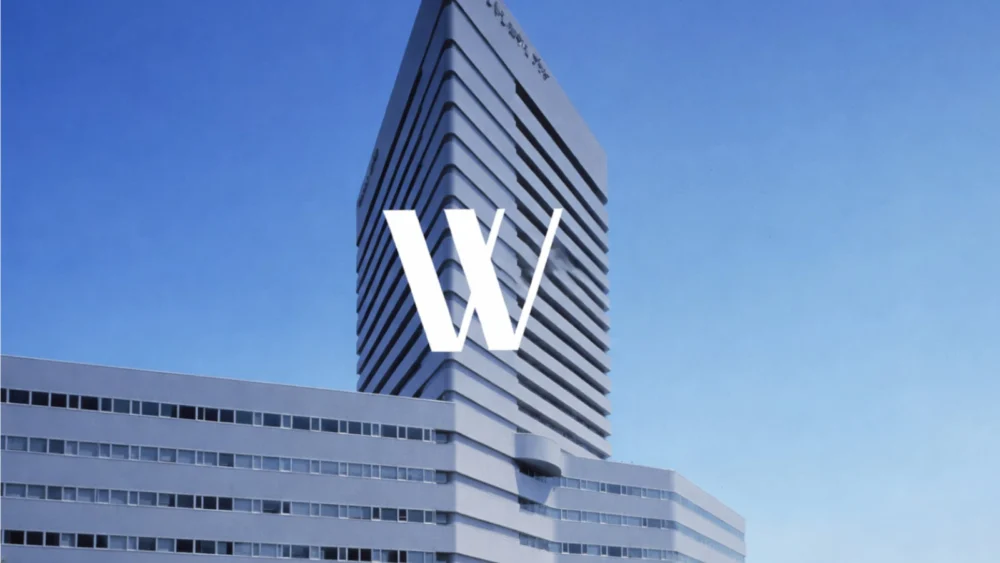
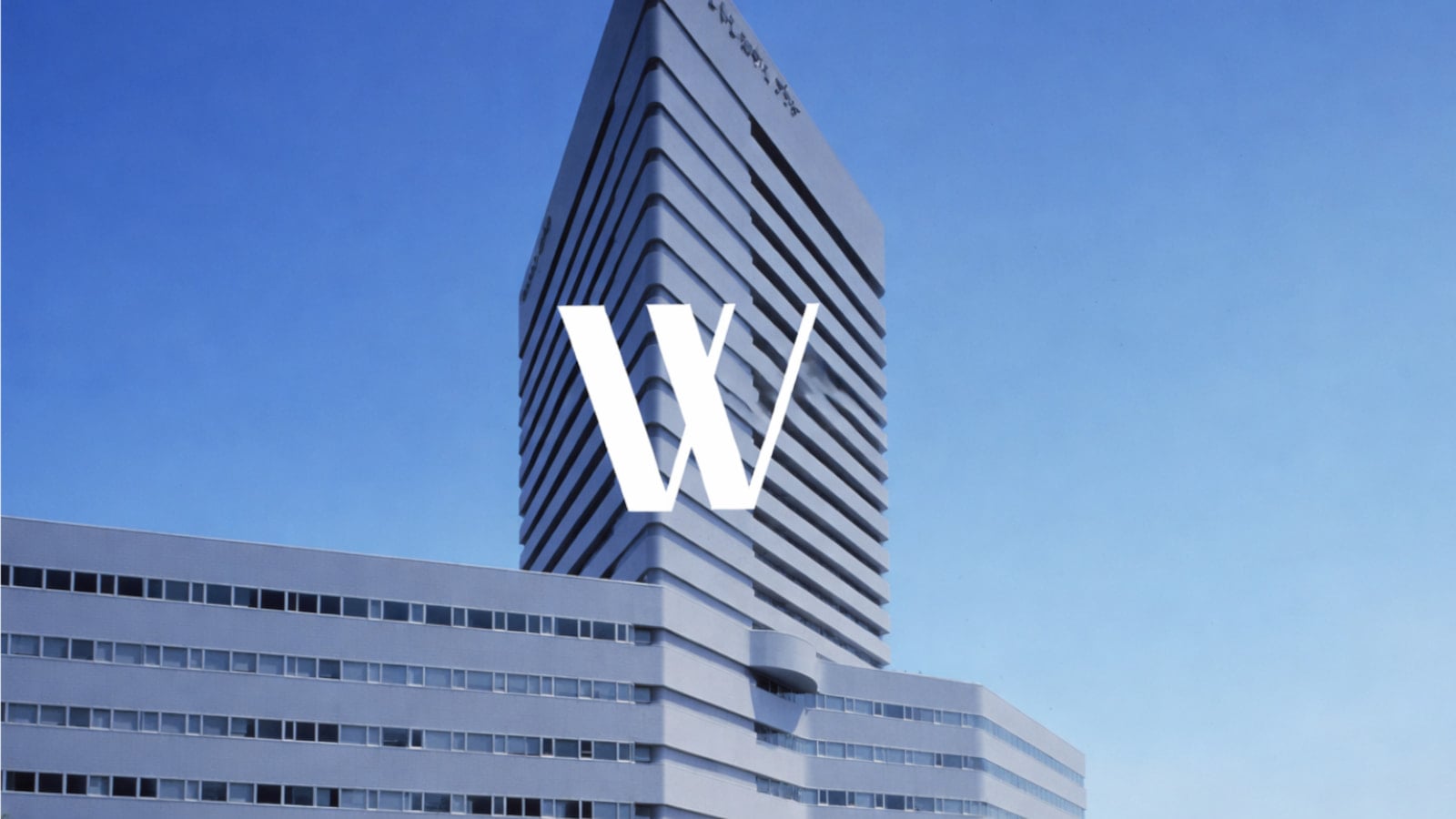
Fujita Kanko Inc.’s esteemed Washington Hotel chain, a pivotal entity within Japan’s business hospitality sector, has officially confirmed a significant ransomware infiltration that impacted its internal server infrastructure. This sophisticated cyberattack has led to the compromise of various categories of corporate data, prompting an immediate and extensive cybersecurity response involving both internal specialists and external forensic experts to mitigate damage, assess data exposure, and restore operational integrity.
The incident underscores the escalating threat landscape facing critical infrastructure and service providers globally, with Japan increasingly becoming a focal point for malicious cyber actors. Washington Hotel, a brand synonymous with corporate travel and convenience, operates 30 properties across Japan under the umbrella of WHG Hotels. With an impressive portfolio of 11,000 rooms and catering to approximately 5 million guests annually, its digital footprint presents an attractive target for cybercriminals seeking lucrative payouts or strategic data. The hospitality industry, characterized by high transaction volumes, diverse data types ranging from guest preferences to payment information, and often distributed IT environments, is particularly vulnerable to the evolving tactics of ransomware syndicates.
Immediate Response and Investigation Protocols
According to the official disclosure issued by the company, the network breach was detected on Friday, February 13, 2026, at approximately 22:00 local time. Recognizing the gravity of the situation, the hotel group’s internal IT personnel initiated immediate containment measures, proactively disconnecting affected servers from the internet to arrest the spread of the ransomware infection across its broader network architecture. This swift isolation protocol is a critical first step in any robust incident response plan, designed to prevent further data encryption, exfiltration, or lateral movement by the attackers.
Following the initial containment, Washington Hotel moved to activate a multi-pronged recovery strategy. An internal task force comprising key stakeholders from IT, legal, communications, and executive leadership was established to coordinate the response. Concurrently, the organization engaged independent, external cybersecurity experts specializing in ransomware forensics and incident remediation. These external specialists are crucial for conducting a thorough investigation, identifying the initial point of compromise, understanding the full scope of the breach, and assisting in the complex process of data recovery and system hardening. Furthermore, the hospitality group has commenced consultations with law enforcement agencies, including the police, signaling the potential criminal dimensions of the cyberattack. Such collaborations are vital for intelligence sharing and potential prosecution efforts against the perpetrators.
Nature of Data Compromise and Customer Data Safeguards
While the forensic investigation remains ongoing, Washington Hotel has confirmed that the attackers successfully accessed "various business data" stored on the compromised servers. The precise nature and sensitivity of this business data have not yet been fully detailed, but it typically encompasses a broad spectrum of corporate information. This could include, but is not limited to, internal financial records, operational strategies, employee personal data, supplier contracts, marketing plans, proprietary business intelligence, and internal communications. The exposure of such data can lead to significant operational disruption, competitive disadvantages, and potential intellectual property theft.
Crucially, the hotel group has provided an initial assessment regarding customer data. It asserts that customer-related information is "unlikely to be exposed" because this sensitive data is managed and stored on servers maintained by a separate, third-party entity. The company explicitly stated that no unauthorized access has been confirmed on these externally managed systems. This architectural decision, separating critical customer data from internal operational systems, represents a significant cybersecurity best practice. By segmenting data and outsourcing the management of highly sensitive information to specialized providers, organizations aim to create a layered defense, limiting the blast radius of an internal breach. However, the definitive safety of customer data will ultimately depend on the thoroughness of the ongoing investigation and the security posture of the third-party provider. The use of phrases like "unlikely to be exposed" often reflects the preliminary nature of findings during complex cyber investigations, where comprehensive certainty can take weeks or even months to establish.
Operational and Financial Ramifications
The immediate operational impact of the ransomware attack has been selectively felt across some Washington Hotel properties. The most notable disruption reported is the temporary unavailability of credit card terminals, a critical component of modern hotel operations. Such an outage can significantly impede guest check-ins, payments, and overall service delivery, potentially leading to customer dissatisfaction and loss of immediate revenue. While the hotel group has stated that it has recorded "no significant operational disruption" beyond this, the true extent of the impact on backend systems, reservation platforms, inventory management, and other inter-connected services will become clearer as the investigation progresses and recovery efforts unfold. Even seemingly minor disruptions can cascade into broader operational inefficiencies within a large hospitality chain.
The financial implications of the incident are currently under comprehensive review. The costs associated with a ransomware attack are multifaceted and substantial. They typically include direct expenses for forensic investigation and remediation, potential ransom payments (though Washington Hotel has not indicated whether negotiations are underway), legal fees, regulatory fines for data breaches, public relations expenditures to manage reputational damage, and the often-overlooked costs of business interruption and lost revenue. Beyond these immediate outlays, there is the potential for long-term brand erosion and a decline in customer trust, which can have a more profound and lasting financial impact. Washington Hotel has pledged to provide further updates as additional relevant details emerge from their ongoing investigation and financial assessment.
The Broader Ransomware Landscape and Regional Context
The Washington Hotel incident is not an isolated event but rather indicative of a pervasive and intensifying cyber threat landscape, particularly within Japan. The past year has seen a notable surge in high-profile cyberattacks targeting major Japanese corporations across diverse sectors. Global automaker Nissan, retail giant Muji, the country’s largest brewer Asahi, and telecommunications behemoth NTT have all publicly disclosed breaches, highlighting a systemic vulnerability that cybercriminals are actively exploiting. This trend suggests that Japanese enterprises, regardless of their industry, are increasingly on the radar of sophisticated threat actors.
Adding to the regional context, JPCERT/CC, Japan’s computer emergency response team, recently issued an alert regarding the active exploitation of an arbitrary command injection vulnerability (tracked as CVE-2026-25108) in Soliton Systems’ FileZen products. FileZen is a widely adopted file-sharing appliance within Japanese companies, making it a lucrative target for attackers seeking initial access into corporate networks. While there is no confirmed direct link between the FileZen vulnerability exploitation and the Washington Hotel ransomware attack, the timing of JPCERT/CC’s warning underscores the active and varied methods threat actors are employing to compromise Japanese organizations. This specific vulnerability has historical precedent, having been targeted in previous campaigns in 2021, indicating a persistent interest from attackers in exploiting known weaknesses in widely used enterprise software.
Preventive Strategies and Future Imperatives
The Washington Hotel incident serves as a stark reminder of the critical importance of robust cybersecurity defenses and comprehensive incident response planning. For organizations within the hospitality sector and beyond, several key strategies are paramount to mitigating ransomware risks. These include the implementation of multi-factor authentication (MFA) across all systems, regular patching and updating of all software and hardware, robust endpoint detection and response (EDR) solutions, and rigorous employee training on phishing awareness and cybersecurity best practices.
Furthermore, maintaining immutable, off-site backups of all critical data is non-negotiable, providing a crucial lifeline for recovery without capitulating to ransom demands. Developing and regularly testing a detailed incident response plan, complete with clear communication protocols for stakeholders and regulatory bodies, is essential for minimizing the impact of a breach. As organizations increasingly rely on interconnected digital ecosystems, proactive threat intelligence, continuous vulnerability assessments, and adopting a zero-trust security model become indispensable. For Washington Hotel, the path forward will involve not only restoring affected systems but also undertaking a comprehensive review of its entire cybersecurity posture to prevent future incursions and rebuild trust with its vast customer base and partners. The incident reinforces the global imperative for organizations to view cybersecurity not merely as an IT function, but as a fundamental business risk requiring continuous investment and executive-level oversight.

 Lisa Mariana
 Aura Kasih
 Ayu Aulia