Aura Kasih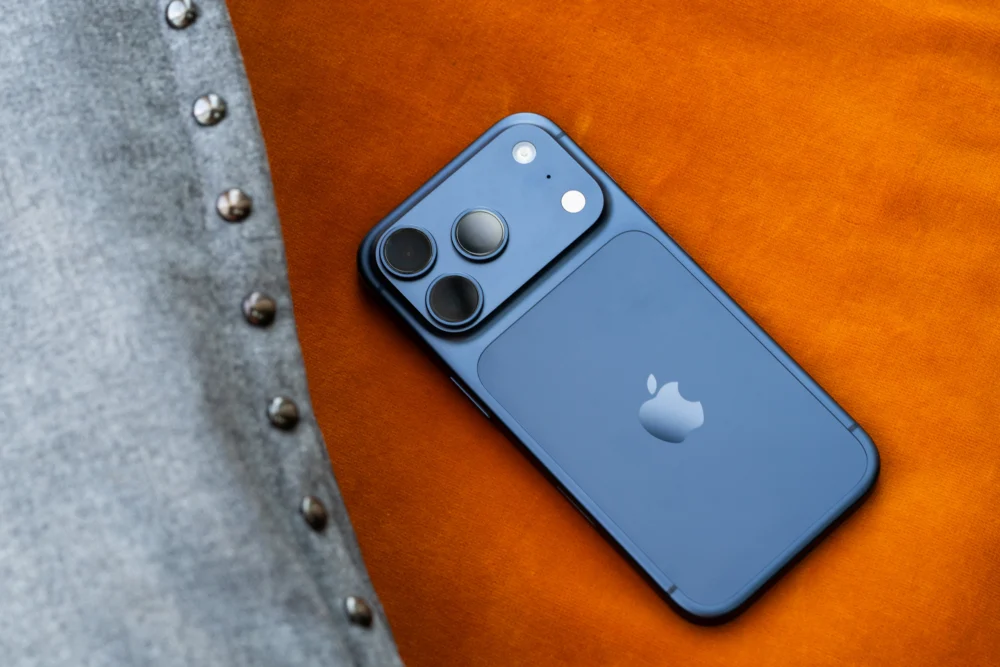
In a significant stride towards enhancing mobile communication security and interoperability, Apple has initiated testing of end-to-end encrypted Rich Communication Services (RCS) messages, beginning with the developer beta release of iOS 26.4. This development marks a pivotal moment, signaling Apple’s commitment to bridging the communication gap between its ecosystem and the broader Android landscape, promising a more secure and feature-rich messaging experience for all users.
The journey towards secure cross-platform messaging has been a protracted one, marked by technological evolution and evolving user expectations. For years, the default messaging experience between iPhones and Android devices has been characterized by the limitations of SMS and MMS, protocols that lack modern features like read receipts, typing indicators, and high-resolution media sharing. The advent of RCS was heralded as a much-needed upgrade, designed to bring parity with the feature set enjoyed by users of proprietary messaging applications. However, a crucial element remained elusive: robust, end-to-end encryption that ensures privacy across different operating systems.
Apple’s announcement last year to embrace RCS, and subsequently, its intention to implement end-to-end encryption for these messages, generated considerable anticipation. This new testing phase, observed in the iOS 26.4 developer beta, confirms that the company is actively working to fulfill that promise. End-to-end encryption (E2EE) is a security measure where only the sender and the intended recipient can read the messages. This means that even the service provider, in this case, Apple or the mobile carrier, cannot access the content of the communications. This level of privacy is paramount in an era where data security and personal information protection are increasingly under scrutiny.
The current testing phase, however, is a foundational step. As confirmed by Apple, the initial implementation of E2EE RCS messages is confined to communications between Apple devices. This means that while iPhone users can now experience the benefits of encrypted RCS messaging amongst themselves, the crucial cross-platform encryption with Android devices is not yet active. Apple has clarified that this feature is "not yet testable with other platforms" and will not be a part of the public release of iOS 26.4. Instead, users can expect the full implementation of E2EE RCS messaging in a "future update," a timeline that underscores the complexity of integrating such a fundamental security layer across diverse mobile ecosystems.
The significance of RCS cannot be overstated in the context of modern mobile communication. RCS offers a substantial upgrade over traditional SMS and MMS. It enables richer content sharing, including higher-quality photos and videos, larger file attachments, group chats with enhanced management features, and real-time typing indicators and read receipts, mirroring the experience found in popular over-the-top messaging applications. This has long been a point of contention for users communicating between iOS and Android, often resulting in a fragmented and less engaging messaging experience often referred to by the derogatory term "green bubbles." By adopting RCS, Apple aims to eliminate this disparity, providing a more unified and feature-rich communication channel.
The move towards E2EE for RCS is a direct response to the growing global demand for enhanced digital privacy. The GSM Association (GSMA), the global body representing mobile network operators and a key architect of the RCS Universal Profile, recognized the critical need for enhanced security. In September 2024, the GSMA announced its commitment to integrating E2EE as a core component of the RCS Universal Profile, marking it as the "next major milestone" for the standard. This initiative laid the groundwork for broader industry adoption of secure messaging. Apple’s subsequent commitment in March 2025 to support E2EE RCS messages across its platforms – iOS, iPadOS, macOS, and watchOS – validated the GSMA’s efforts and signaled a significant shift in the messaging landscape.

The technical implementation of E2EE for RCS involves sophisticated cryptographic protocols. Typically, this requires a protocol like the Signal Protocol, which has been widely adopted for its robust security and privacy features. The protocol ensures that messages are encrypted on the sender’s device and can only be decrypted by the recipient’s device, with intermediate servers unable to decipher the content. This requires careful integration into the messaging infrastructure of both Apple and Android devices, as well as coordination with mobile carriers who play a role in delivering RCS messages. The current testing phase is likely focused on perfecting this integration within Apple’s own software stack before extending it to cross-platform compatibility.
The implications of widespread, E2EE RCS adoption are far-reaching. For consumers, it means a significant boost in privacy for their everyday conversations, reducing the risk of sensitive information being intercepted or accessed by unauthorized parties. This is particularly important for personal communications, financial discussions, and any exchange of private data. The unification of messaging experiences between iOS and Android users will also foster greater inclusivity and convenience, breaking down the artificial barriers that have long existed between the two dominant mobile operating systems.
From a technological perspective, this development signifies a maturation of the mobile messaging industry. It demonstrates a collective understanding that modern messaging must prioritize both functionality and security. The open standard nature of RCS, supported by the GSMA, offers a pathway to interoperability that is not dependent on proprietary ecosystems. Apple’s embrace of this standard, while initially selective in its testing, suggests a willingness to engage with open industry efforts for the benefit of its users and the broader mobile communication ecosystem.
However, the road ahead is not without its challenges. Ensuring seamless E2EE functionality across a vast array of Android devices, each with its own hardware, software versions, and carrier implementations, presents a formidable technical undertaking. Developers will need to ensure robust compatibility and consistent security performance. Furthermore, user education will be crucial. While E2EE will be an underlying security feature, users need to understand its benefits and limitations to fully appreciate its value. The transition from the current messaging paradigms to a fully encrypted RCS future will require careful management and clear communication from all stakeholders.
The inclusion of other notable features in the iOS 26.4 developer beta, such as the ability to "seamlessly" swap between audio and video podcasts, highlights Apple’s ongoing efforts to refine its user experience across various applications. While seemingly unrelated to messaging, such feature enhancements often emerge from parallel development streams, indicating a broader commitment to innovation within the operating system.
Looking forward, the successful deployment of E2EE RCS messaging by Apple could catalyze further advancements in mobile communication security and interoperability. It may encourage other platforms and service providers to adopt similar encryption standards, fostering a more secure digital communication environment globally. The move also sets a precedent for how major technology companies can collaborate with industry bodies like the GSMA to deliver user-centric improvements that benefit the entire mobile ecosystem. The promise of truly private and feature-rich communication between all mobile users is now closer than ever, driven by this crucial step from Apple. The anticipation for the public release of this feature is palpable, as it represents a significant leap forward in how we connect and communicate in the digital age.



 Safa Marwah
 Lisa Mariana