Lisa Mariana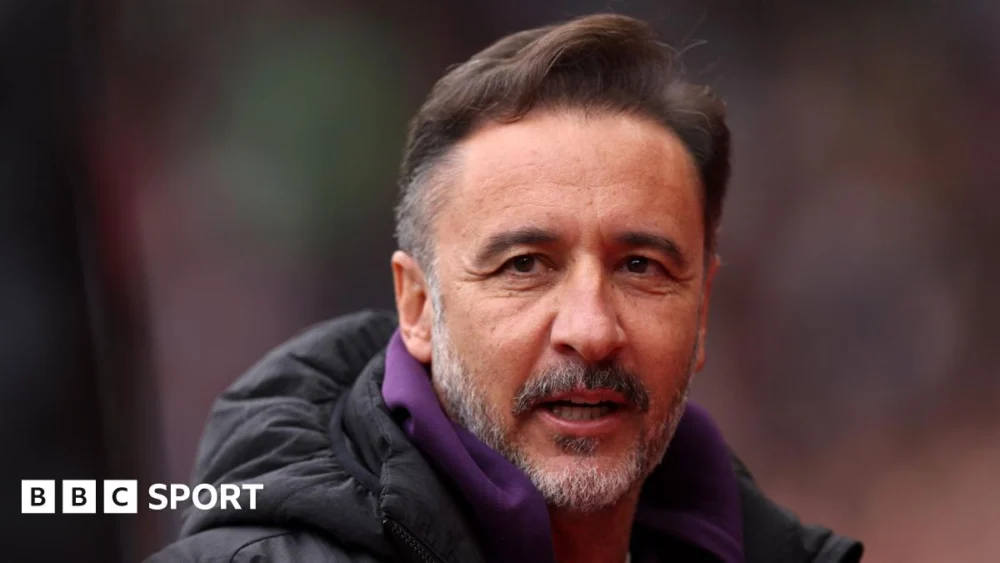
Nottingham Forest has confirmed the appointment of Vitor Pereira as their new head coach on an 18-month contract, marking the 57-year-old Portuguese tactician as the club’s fourth managerial change within the current Premier League campaign, a development underscoring the acute instability plaguing the historic club. This pivotal decision arrives as Forest finds itself embroiled in a desperate struggle to retain its top-flight status, currently positioned 17th, precariously three points above the relegation zone following a dismal run of only two victories in their last ten league outings. Pereira’s immediate mandate is unequivocally clear: navigate the club away from the precipice of demotion and instil a much-needed sense of tactical coherence and resilience.
The rapid succession of managerial changes at the City Ground this season has drawn considerable scrutiny, with Pereira stepping into the void left by Sean Dyche, whose tenure concluded abruptly following a goalless draw against Wolverhampton Wanderers. Dyche himself had replaced Ange Postecoglou, who had earlier taken over from Nuno Espirito Santo, making Forest the first club in Premier League history to appoint four different permanent managers within a single season. This unprecedented churn highlights a club grappling with identity, strategy, and performance challenges, particularly since its return to England’s elite division. The pressure on Pereira is immense, not only to deliver results but also to establish a degree of stability that has been conspicuously absent.
Pereira’s immediate fixture list presents a formidable baptism of fire. His inaugural match in charge will be a high-stakes Europa League knockout round play-off first leg away to his former club, Fenerbahce, in Turkey on Thursday. This European encounter is swiftly followed by a challenging Premier League clash at home against title contenders Liverpool on Sunday, 22 February. These fixtures demand immediate tactical adaptation, robust squad motivation, and a clear strategic blueprint, all of which Pereira will need to implement in an incredibly condensed timeframe. The contrast between a European commitment and the domestic survival imperative will test the new manager’s prioritisation and resource allocation skills.
The appointment of Pereira is not without its historical context and a degree of calculated risk, particularly given his recent spell in English football. He returns to the Premier League stage just three months after his dismissal from Wolverhampton Wanderers in November, where he spent 11 months at the helm. During his previous stint at Molineux, Pereira managed 38 games, securing 14 victories and notably guiding Wolves to Premier League safety last season. However, his second season began disastrously, leading to his sacking with the club having accumulated a mere two points from their opening ten league matches. This experience provides both a cautionary tale and a valuable understanding of the unique pressures and demands of the Premier League.
A key factor in Pereira’s appointment is his pre-existing relationship with Nottingham Forest owner Evangelos Marinakis. Pereira previously worked under Marinakis at Greek powerhouse Olympiacos, where he enjoyed a successful six-month period in 2014-15, securing both the league title and the Greek Cup before moving to Fenerbahce. This prior collaboration suggests a mutual understanding and alignment of vision between owner and manager, potentially offering a more stable foundation than previous appointments. Such familiarity could streamline decision-making processes, particularly concerning transfer strategies and long-term club development, issues that reportedly contributed to his challenging departure from Wolves.
Pereira’s managerial journey has been extensive and geographically diverse, commencing with Portuguese club Sanjoanense in 2004. His career has subsequently spanned across Germany, China, Brazil, and Saudi Arabia, with Forest marking his 15th managerial role. This global experience brings a wealth of tactical knowledge and adaptability, crucial for navigating the multifaceted challenges of modern football. His coaching staff at Forest will include Filipe Jorge Monteiro Almeida and Luis Miguel Moreira Da Silva as assistant coaches, forming a trusted unit to implement his philosophy.
The Portuguese manager has often articulated his ambition to succeed in the Premier League, a goal that he has pursued with unwavering determination. He has openly acknowledged making what he perceived as "wrong moves" in his career trajectory, all aimed at eventually reaching England’s top flight. Prior to his Wolves appointment, Pereira had reportedly held discussions with several prominent English clubs, including Everton, Chelsea, Arsenal, Watford, and West Brom, underscoring his long-standing aspiration for a Premier League challenge.
His initial period at Wolves saw him forge a strong connection with the fanbase, famously coining the phrase "first the points, then the pints" as he engaged directly with supporters after victories. However, this rapport deteriorated rapidly in his second season, culminating in public clashes with fans following a 3-2 home defeat to Burnley in October, just weeks before his dismissal. A significant point of contention reportedly stemmed from Pereira’s dissatisfaction with Wolves’ summer transfer activity, feeling that the club was too slow in the market and failed to secure his primary targets. He has since expressed regret over not walking away from Molineux at the beginning of that season, highlighting the critical importance of aligned transfer strategies between manager and club hierarchy.
From an analytical perspective, Pereira’s tactical approach will be under immediate scrutiny. Reports suggest a preference for a "middle press" system, which, if successfully implemented, could provide Forest with a more organised defensive structure and a platform for quicker transitions. The challenge lies in embedding these complex tactical concepts within a squad that has endured significant upheaval and potentially waning confidence. The ability to galvanise the existing players, many of whom are Brazilians, could be aided by Pereira’s Portuguese background, potentially fostering better communication and cultural understanding within the dressing room.
The financial stakes associated with Premier League survival are monumental. Relegation would entail a significant loss of revenue, impacting the club’s ability to attract and retain talent, and potentially undermining the substantial investments made since their promotion. Therefore, the strategic imperative is to secure points, even if it means prioritising league form over European ambitions, as suggested by some observers. The immediate task for Pereira is not merely to win games but to instil a fighting spirit and tactical discipline akin to teams like Leeds United or West Ham United, who have demonstrated resilience in similar circumstances.
The recurrent managerial changes at Nottingham Forest also raise broader questions about the club’s long-term vision and operational stability. While owner Evangelos Marinakis has demonstrated ambition through significant investment, the lack of sustained managerial tenures can impede the development of a consistent playing philosophy and club culture. The success of Pereira’s appointment will hinge not only on his immediate results but also on the degree of patience and strategic support he receives from the ownership. Should he manage to steer Forest to safety, the subsequent summer transfer window and pre-season will be crucial opportunities to embed his philosophy more deeply and build a squad truly aligned with his vision. However, the current landscape demands immediate, tangible improvements, placing Pereira under immense pressure to deliver a rapid turnaround and ultimately, Premier League salvation for Nottingham Forest.



 Aura Kasih
 Safa Marwah
 Ayu Aulia