Lisa Mariana
Despite a century of progress in female representation, the corridors of Westminster continue to echo with concerns that a deep-seated male-centric culture profoundly shapes decision-making, access, and the overall political environment. This assertion, frequently articulated by experienced women across the political spectrum, highlights a critical distinction between mere numerical presence and genuine influence within the United Kingdom’s parliamentary system.
The question of whether a "boys’ club" operates within British politics often elicits an immediate and unequivocal affirmative from those who have navigated its highest echelons. While an increasing number of women occupy seats on the parliamentary benches and hold senior positions within Whitehall, their physical presence does not automatically translate into access to the inner sanctum where pivotal decisions are forged, nor does it guarantee their voices are truly heard. Recent administrative shifts within government, which have seen several senior male figures replaced, at least partially, by women, suggest an acknowledgement of these underlying issues. However, these changes have not quelled the growing chorus of internal dissent.
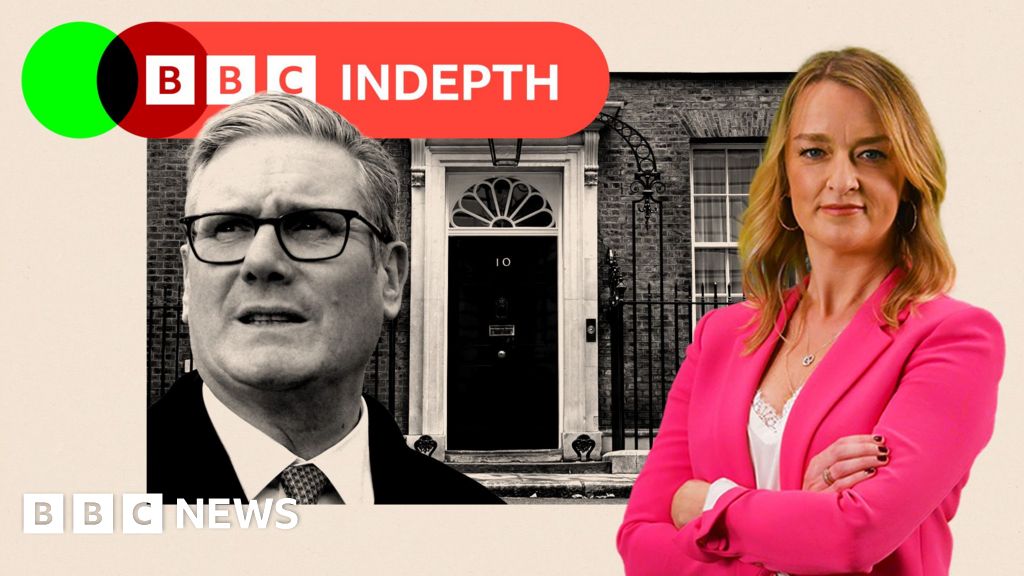
A striking example emerged from within the Labour Party, where a prominent cabinet member openly criticized the party’s operations as a "boys’ club" and denounced briefings "dripping with misogyny." Such a public indictment from a senior political figure cannot be dismissed as mere internal squabbling; it signals a fundamental challenge to the perceived fairness and inclusivity of the political landscape. The gravity of this accusation for the current administration, particularly for its leader, is considered "massive" by some ministers, indicating a significant internal crisis of confidence regarding gender dynamics.
The historical backdrop to these contemporary debates reveals a glacial pace of systemic change. Over a century ago, when Nancy Astor became the first woman elected to Parliament, the absence of even basic facilities like women’s restrooms underscored the institution’s inherently male design. Her reported need to use facilities at the nearby Ritz Hotel before a dedicated women’s toilet was installed serves as a potent symbol of early female pioneers adapting to a world not built for them. Fast forward to 2024, and the anecdote of a female Chancellor discovering a urinal in her private bathroom within the Treasury illustrates how, even after decades of progress and the appointment of women to the highest offices, the physical and cultural vestiges of male dominance persist. This slow evolution suggests that integrating women into established structures is a far more complex undertaking than simply increasing their numbers.

For the current leadership, the perceived reliance on a narrow "boys’ network" presents a particular vulnerability. One former Labour minister suggested that a less politically experienced leader might lean heavily on familiar networks, inadvertently creating an insular environment. Terms like "network of Matts," "boys in blue suits," or "ladz" have circulated, often referring to a tight-knit group whose influence has been perceived as disproportionate. While it is true that numerous highly capable women hold senior roles within the government’s orbit – including the Home Secretary, Foreign Secretary, Labour Party General Secretary, and the Chancellor – concerns persist about their effective integration into core decision-making circles. Insiders contend that securing "face time" with the prime minister, a critical commodity in politics, has been challenging for even these senior female ministers. This suggests that mere appointment does not equate to genuine inclusion or influence.
The accusation of a "boys’ club" is not universally accepted, with some allies expressing "boiling rage" at what they view as an unfair characterization, citing the contributions of many brilliant women. However, this perception of exclusion goes beyond simple gender dynamics, often intersecting with factionalism and cliquishness. Critics argue that reliance on a small group of advisers from a specific, often "hard-edged" wing of the party, exacerbated by a leadership style perceived as unwilling to engage with broader perspectives, has led to strategic missteps. This "bubble" mentality, where individuals interact only with those within their immediate clique, fosters an environment of "gang warfare" rather than collaborative governance. The consequence, as one veteran Labour figure noted, is that crucial voices and diverse viewpoints, including those of women, are systematically excluded from the decision-making process. From an institutional perspective, this approach risks failing to identify the most talented individuals and limiting the breadth of insights available to the government.
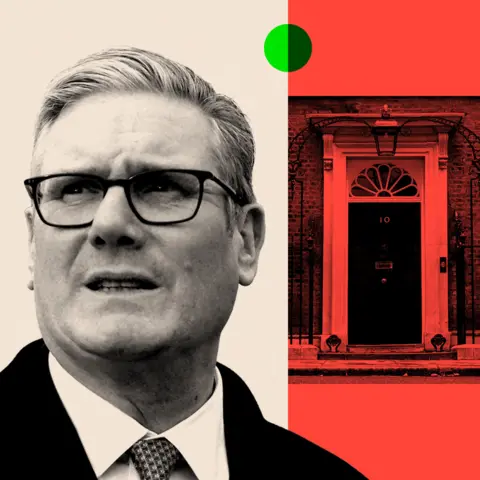
In response to mounting internal pressure, there is a stated commitment to fostering change, evidenced by the appointment of an interim female chief of staff and a female political director. Some within the cabinet express optimism that the previous culture "probably doesn’t exist anymore" due to personnel shifts. However, the recent public interventions from senior Labour figures, including calls for a focus on class from one, support for the hospitality industry from another, and the direct accusations of misogyny from a third, indicate a broader push to open up internal discourse and challenge the perceived insularity. A significant concern among women in the party is that dismissing their concerns as mere factional disagreements would be a "hopeless" failure to address systemic issues. Specific demands, such as an inquiry into alleged past misconduct and the appointment of a woman to the influential post of first secretary of state, underscore the desire for concrete action beyond symbolic gestures. Yet, a cynical undercurrent remains, with some long-serving MPs expressing doubt that the leadership will truly look beyond its established narrow group, recalling years of unmet pleas for wider engagement.
Beyond the specific dynamics within the Labour Party, Westminster as a whole grapples with an pervasive cultural challenge regarding the treatment of women. While significant strides have been made in recent years to address "sleazy or improper behaviour" and harassment, particularly within the institution’s late-night, alcohol-fueled social landscape, systemic issues persist. The blurred lines between social and professional interactions in a power-laden environment continue to create uncomfortable situations for junior staff, both male and female. However, the more subtle, ingrained aspects of the "boys’ club" extend to deeply held assumptions and unconscious biases.
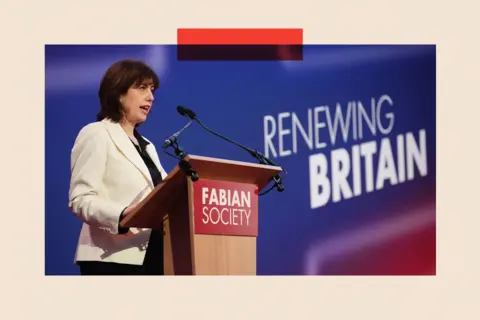
Politics, like many professions, can exhibit old-fashioned assumptions where women are paid less, find career progression more arduous, and are frequently overlooked for key opportunities. One former cabinet minister articulated that the "culture is just so male," where certain "male characteristics" – such as projecting absolute certainty and aggressively briefing against rivals – are implicitly valued as prerequisites for advancement. This often contrasts with how women typically operate, creating a structural disadvantage. A provocative, though controversial, perspective from a seasoned female party activist suggests that politics fundamentally appeals more to men, linking it to perceived inherent differences in risk appetite, a "DNA" for more competitive and confrontational approaches. While this view may raise eyebrows, it highlights a perception that the aggressive, adversarial nature of politics naturally favors a particular masculine style. The brutal reality of "gang warfare" in political competition, where trust is built in "trenches" and exclusivity can feel necessary for survival, inherently creates barriers to inclusion. As one senior Labour figure candidly stated, "Does that mean people you need in the room to make decisions are not there? Does that mean women? Yes, but that is life." Such an admission, though jarring, reveals a stark truth about the deeply entrenched nature of political power structures.
Moreover, women in public life are frequently subjected to different and often harsher standards than their male counterparts. This unequal scrutiny extends to their appearance, conduct, and even sartorial choices. While the era of a female Prime Minister publicly ironing her husband’s shirts is long past, the lens through which women are viewed remains distinct. The recent scrutiny of a senior Labour figure’s tax affairs, for instance, has been cited as an example of a woman being treated more harshly than a man might have been in a similar situation, with her "uncompromising" style and refusal to change her accent cited as potential triggers for male discomfort. Similarly, the appointment of a highly capable woman to a senior civil service role has been met with "acid terms" and "smears" focusing on her perceived glamour and ambition – traits that would likely be lauded as strengths in a man but are weaponized against her. The fact that a formal complaint of bullying against her was unsubstantiated further underscores the gendered nature of such critiques.
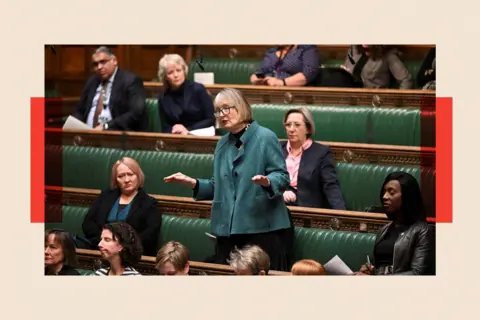
The notion of a "boys’ club" is not merely an abstract concept; it carries profound implications for governance and public policy. Beyond the imperative of fair representation for half the population, diverse perspectives in decision-making rooms are crucial for effective and equitable outcomes. The testimony of a former senior civil servant during the pandemic, highlighting a lack of female voices, revealed tangible consequences: inadequate consideration for childcare during school closures, insufficient support for domestic violence victims trapped in lockdown, and a disproportionate focus on male-dominated pursuits like hunting and golf courses over essential needs like children’s playgrounds. This demonstrates that homogenous decision-making bodies can overlook critical societal issues, leading to incomplete or biased policy responses. Despite numerical progress, the enduring observation by many women in politics remains: they are still "a woman in a man’s world," frequently outnumbered and often compelled to advocate for the inclusion of female perspectives that are not instinctively considered by their male colleagues.
Ultimately, while the numbers of women in British politics have seen enormous growth, the "habits of Westminster were set when nearly all politicians were men, nearly all journalists were men, and nearly all civil servants were men." These deeply ingrained customs and power dynamics are resilient. The recent controversy surrounding a high-profile appointment, which some sources directly linked to a failure to consider the implications for victims of a notorious sex offender, has served as a potent catalyst for this renewed "soul searching" about women’s role in government. It underscores the argument that a lack of diverse voices can lead to significant ethical and political misjudgments. For the current leadership, the challenge is clear: mere tokenism will not suffice. To genuinely dismantle the perception of a "boys’ club" and foster a truly inclusive and representative political environment, a deliberate, sustained effort to listen to and empower a wider range of voices is not just desirable, but essential for effective governance.




 Aura Kasih
 Safa Marwah
 Ayu Aulia